Spirits of the Southern Appalachians
Spirits of the Southern Appalachians: From bootleggers to modern distillers, our craft beverage scene continues to evolve

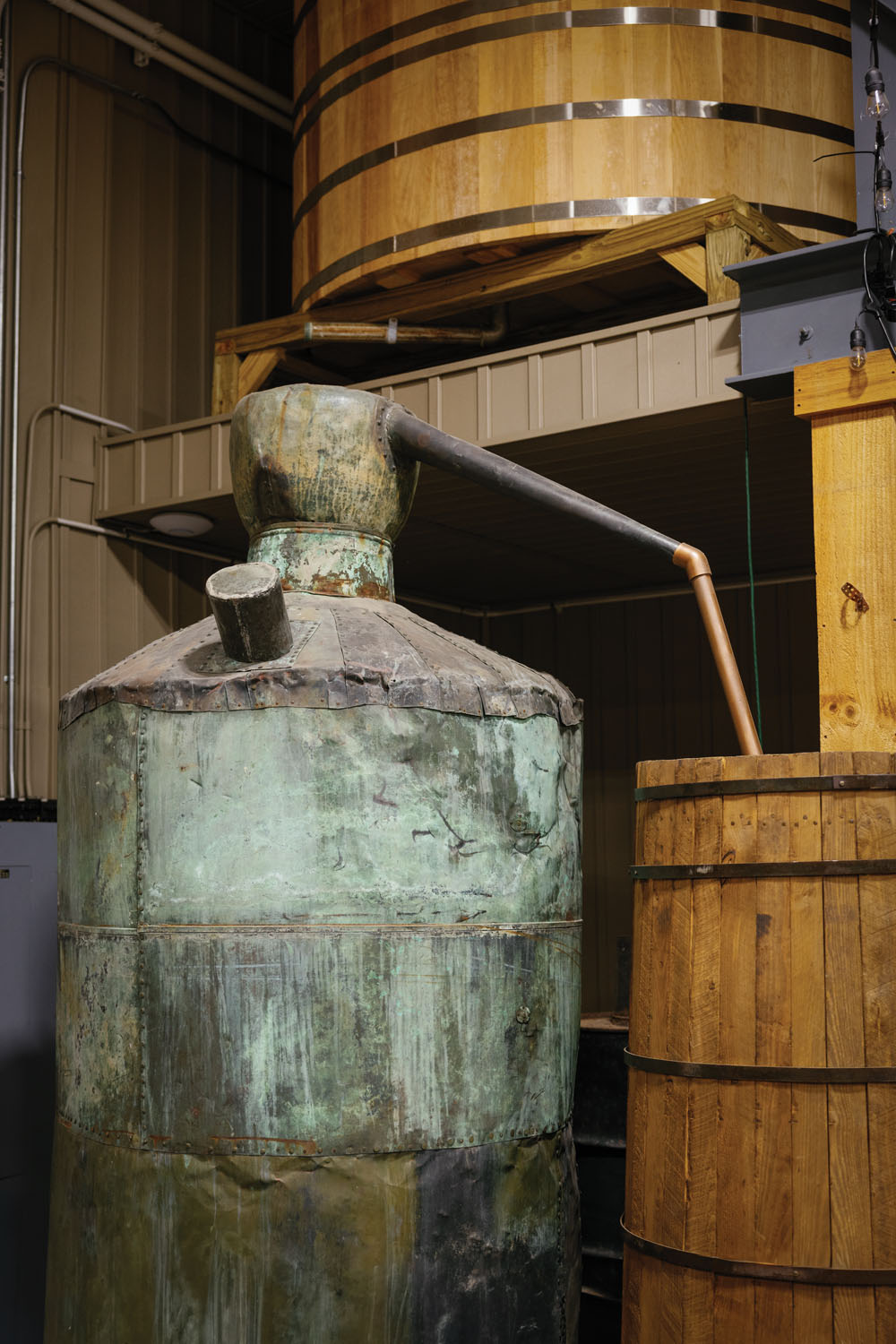
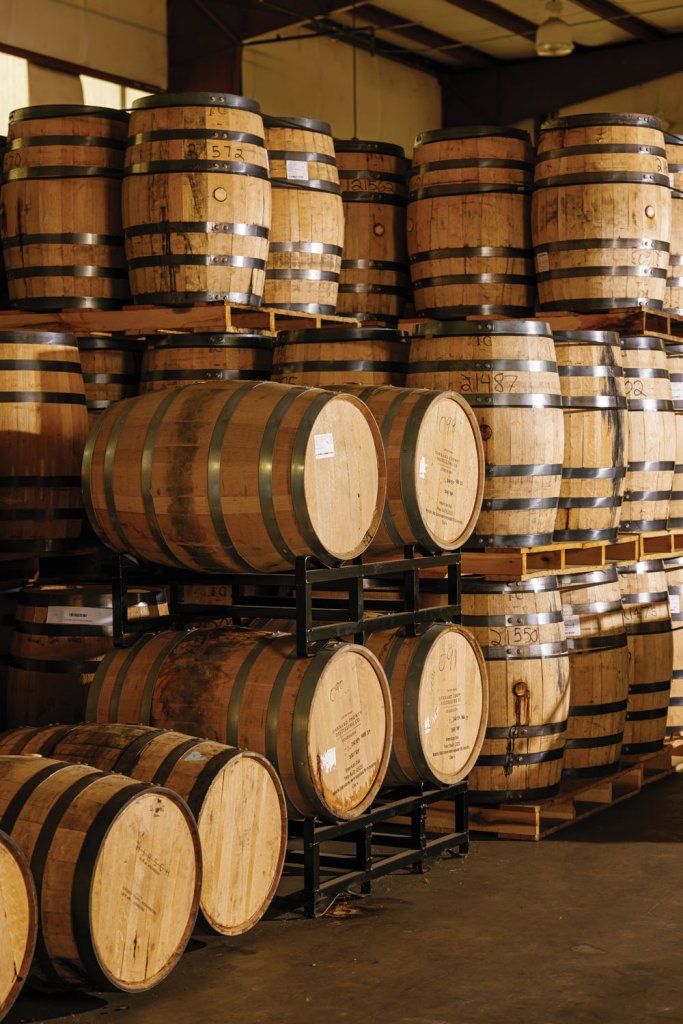
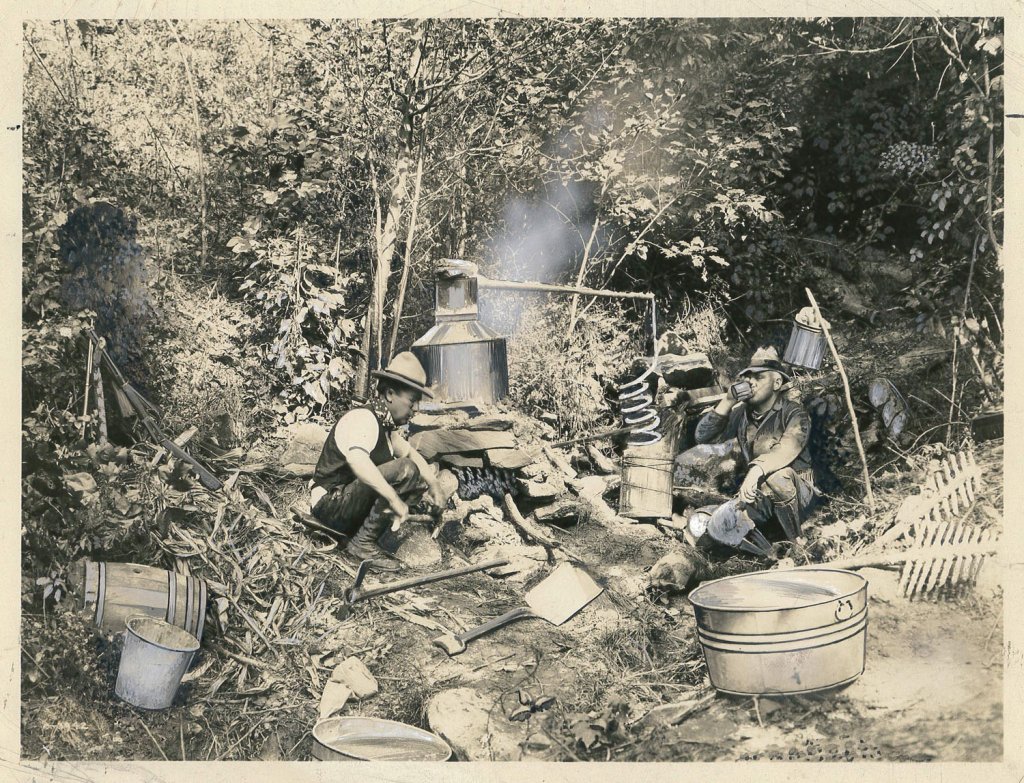
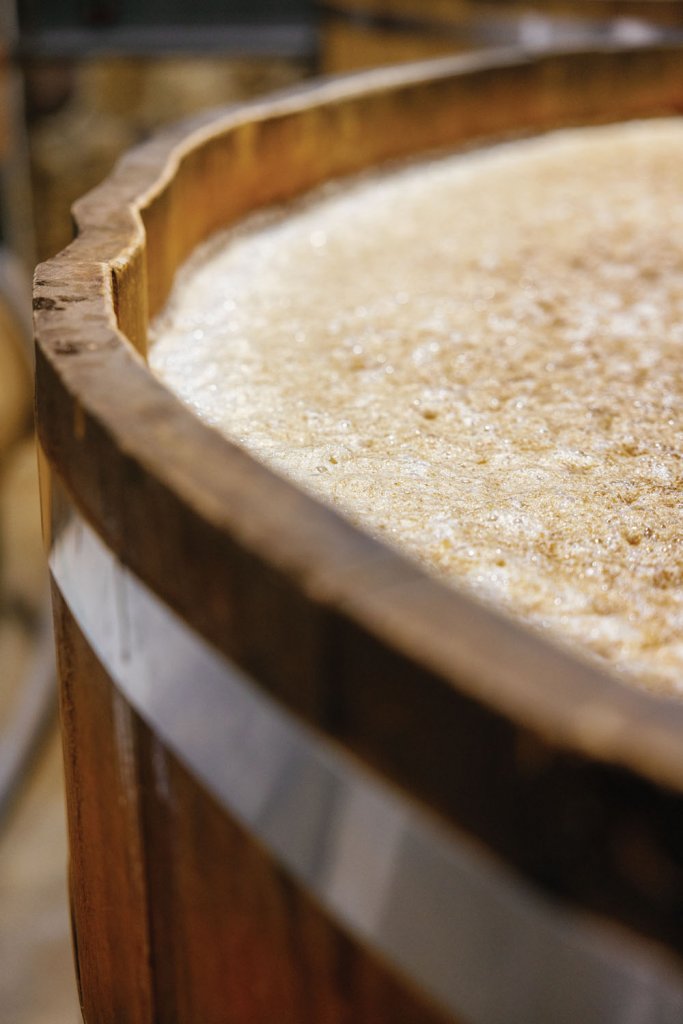
Over the past decade, an explosion of small-batch spirits producers has put Western North Carolina’s craft distilleries on the map. The days of this region’s infamous moonshine runners are long gone, although that frontier spirit of independence and self-reliance still influences the legal production of moonshine, gin, vodka, rum, whiskey, and liqueurs.
Driven by a passion for Southern Appalachian ingredients, recipes handed down for generations, and both traditional and cutting-edge processes, local distillers are producing unique adult beverages. Additionally, WNC’s established culinary and brewery scenes offer a heady support system of proven innovation within a respected locavore tradition.
“The explosion of the WNC distillery scene springs in a direct line from the vibrant food and beer scene and that becoming a focus of tourism,” says Eda Rhyne Distilling Company co-founder Rett Murphy. “We wouldn’t be here without the complex biology and history of the area, plus the incredible people that have turned WNC into an area that punches way above its weight in creative independent restaurants, breweries, wineries, arts, small market farms, and entrepreneurship in general.”
Even so, challenges abound. Distilleries have had to fight restrictive post-Prohibition laws. They’ve had to diversify and expand and figure out how to carve out shelf space in North Carolina’s state-controlled beverage shops. Today, you can purchase bottles of spirits direct from distilleries even on Sundays, when the Alcohol Beverage Control (ABC) stores are closed. This is a boon given the number of out-of-state tourists who often are confused about where they can purchase bottled liquor.
In fact, several pioneering distilleries in the region have closed in recent years, citing hurdles within the ABC system, supply chain issues, and the repercussions of Hurricane Helene. Helene arrived on September 27, 2024, at what would have been WNC’s peak tourist season. However, the region’s distilling scene continues to flourish and grow, much like the fields of barley that provide the base grain for so many of its spirits.
The Pioneers
Drinking local harks back to the first European settlers who carved out homesteads in the Blue Ridge Mountains, bringing their distilling and brewing traditions with them. From those early days, through Prohibition and beyond, homemade liquor and mountains went together like, well, corn and sugar. The deeply-ingrained moonshining tradition helped set the stage for the craft beer boom here. In turn, the culture of making and supporting local beer has given rise to a craft cocktail renaissance.
Many consider moonshining to be a traditional mountain folk art. Distilling this clear, unaged whiskey by the light of the moon in rhododendron thickets next to clear water creeks often was the primary source of income for families in secluded mountain hollers. The illegal transportation of the liquid famously gave rise to NASCAR, and it’s such a large part of the region’s culture that the original name of Asheville’s minor league baseball team was The Moonshiners.
Before Prohibition, there were licensed distilleries in Asheville and a few other WNC towns. Per an 1898 article in The Boston Herald, North Carolina had the largest number of legal distilleries of any state in the country at the time, although they were mostly small, and several other states, including Illinois, Kentucky, and Ohio, had larger output. You can bet there were twice as many illegal stills at the time, especially in the land of white lightning.
These early distilleries thrived, advertising pure “Mountain Dew” corn and rye whiskies in local newspaper advertisements. Many of them were in the basements of saloons, although there were a couple located along Asheville’s Riverside Drive, next to the French Broad River’s water supply, which were large enough to export their products to other states. Then Asheville voted to become dry in 1907, followed by the state in 1909, so these businesses were forced to either close or go underground.
America outside of moonshine country started taking notice of licensed clear whiskey when NASCAR legend and former ‘shine runner Junior Johnson launched a line of white lightening in 2007, distilled in Madison. Suddenly, bars around the country started stocking corn whiskey and using it in cocktails. Moonshine mania was born, and WNC, a region that contains several counties claiming to be “The Moonshine Capital of the World,” rose to the challenge.
Shine Goes Legal
Once revisions in state and municipality laws controlling the production and sales of alcoholic beverages paved the way for post-Prohibition licensed distilleries, a handful started production in WNC, following the path set down by their predecessors.
Asheville Distilling Company opened for business in 2010, producing the Troy & Sons brand using locally grown heirloom corn and wheat as a base for their moonshines. The company closed its doors to the public after Helene, stating on their website that extensive hurricane damage to their newly planned Fletcher tasting room forced founders Troy and Charlie Ball to bow out.
Another moonshine producer, Howling Moon Distillery, opened in Woodfin the same year. Co-founder Cody Bradford is a seventh-generation Appalachian moonshiner, who trained his sons in the trade. Howling Moon’s corn liquors were bottled in traditional mason jars using his family’s recipes, process, and even equipment. Howling Moon had a great run, including promotional filming visits from Gordon Ramsey, Norman Reedus, and Discovery Channel’s Moonshiners. However, after 15 years, Bradford stopped production, citing issues with the ABC system and with Alcohol and Tobacco Tax and Trade Bureau (TTB) permits.
“Telling our family history and sharing our authentic Moonshine was the main reason I went legal,” Bradford says. “We discussed it as a family. My dad wanted to pass it down in the woods like we had for generations, but I wanted to be able to share it with the world because I knew it was a lost art.” He hopes to get back to legal moonshine production one day, with his sons by his side.
The Moonshiners docudrama television series debuted in late 2011, further increasing interest in North Carolina’s most famous historical liquor. The show is now in its 15th season, and long-time primary cast member Tim Smith’s moonshine brand, Climax, is now produced by Fletcher-based Two Trees Distilling Co.
A third moonshine-specific distillery, Elevated Mountain of Maggie Valley, closed in 2022. Maggie Valley is famously the birthplace of legendary moonshiner Popcorn Sutton, who committed suicide in 2009 rather than report to prison. He influenced many WNC and eastern Tennessee distillers. “Everybody seems to step into the moonshine arena,” says Two Trees co-founder Chad Slagle. “Somehow everybody and their brother and their cousin and their mom has Popcorn Sutton’s last bottle. They say, ‘He gave this to me himself. And we’ve got his recipe.’”
Take heed that while it is fine for North Carolinians to make beer or wine at home, it is still illegal for state residents to produce spirits at home. You can own a still, just so you don’t use it to produce ethanol alcohol (you can distill water or essential oils). This makes it difficult to learn the craft, at least legally. Think of all the brewers in the area who started off brewing at home. This is where A-B Technical College’s Brewing, Distillation, and Fermentation Program comes in.
Created in 2013, this (unique in the Southeast) two-year program has graduated a couple hundred students, helping create a viable workforce for WNC’s craft beverage industry.
More traditional licensed distillers arrived on the scene in the mid-2010s. In the most well-known “Moonshine Capital of the World,” Wilkes County, the Calls decided to take their family moonshining tradition public. A couple other NC counties like to claim the Moonshine Capital title, as well as a few counties in Virginia, Tennessee, and Kentucky. However, Wilkes is loud and proud about it.
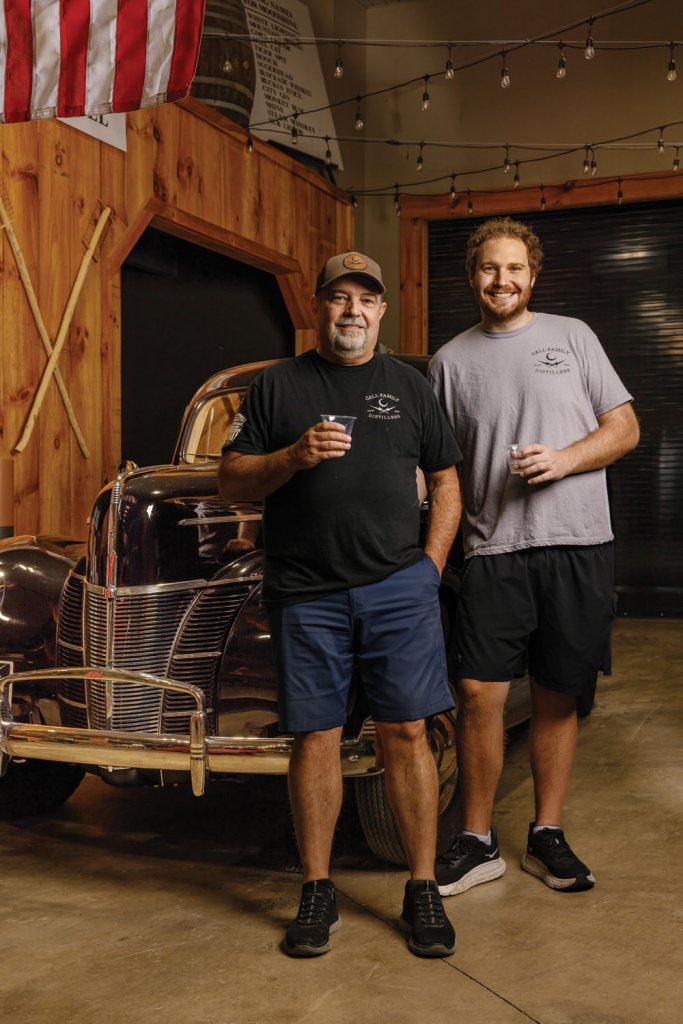
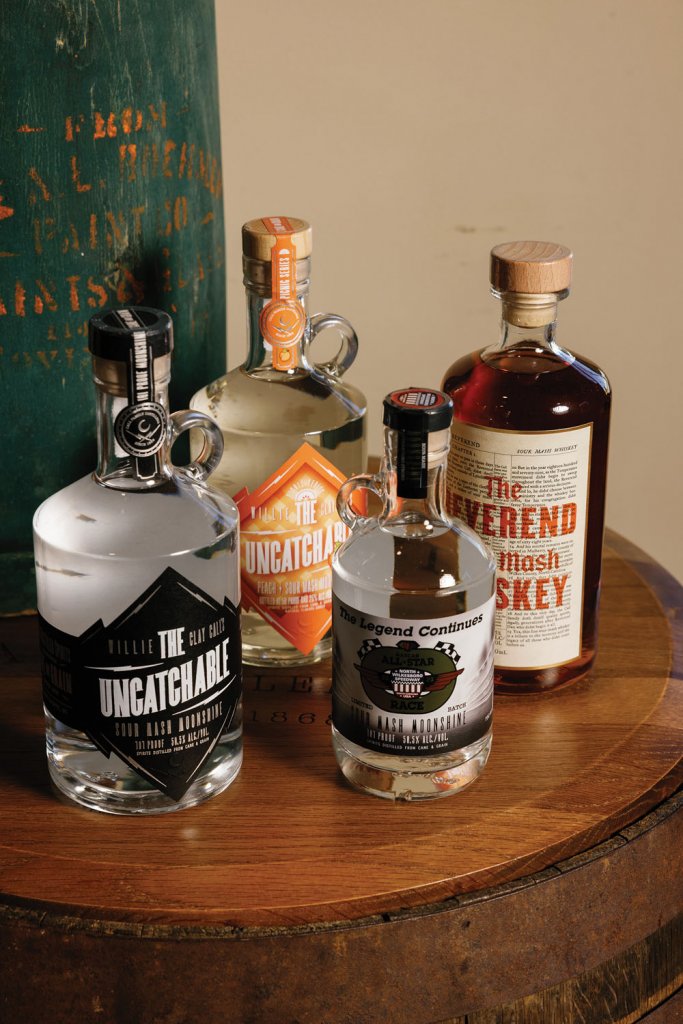
Brian Call opened Call Family Distillers in 2015 and has since brought on his son, Austin Call, as a distiller and Chief Marketing Officer. The family’s tasting room, The Mash House Bar & Grill, sits on the banks of the Yadkin River in Wilkesboro and pays homage to their heritage with Mason jar-like bottles featuring a lightning bolt logo.
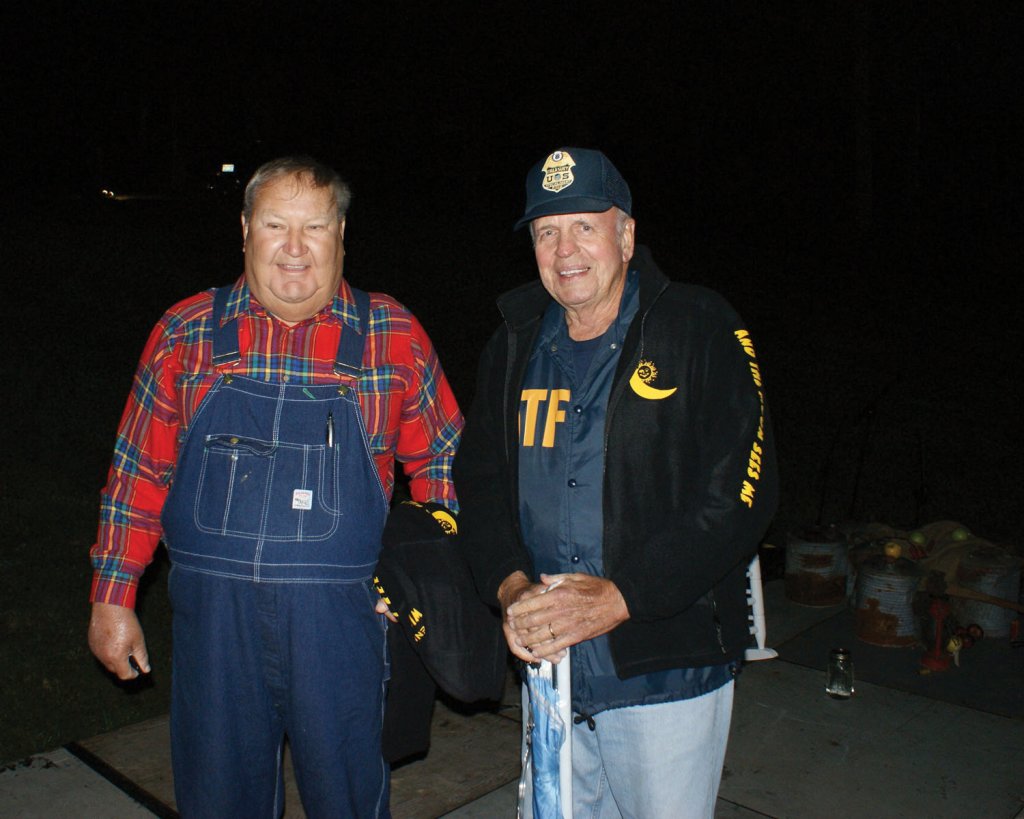
“Our eight-generation legacy of distilling knowledge spans back to 1868,” Austin Call says. “We’re carrying forward a family tradition that helped shape American whiskey history.” His notable ancestors include his grandfather, Willie Clay Call, known as “The Uncatchable” for outrunning revenuers in the 1950s and ’60s, and Reverend Dan Call, who apparently taught Jack Daniels the art of distilling. Willie Call’s souped-up bootlegging automobile, a 1966 Dodge Coronet, is on display at the bar, alongside a 1940 Ford Coupe, which also was used as a revenuer-escape vehicle. While Willie Call may have been uncatchable, his father, Willie Simon Call, served five years in prison for illegal distillation.
“The reality is that our family made moonshine out of necessity. It wasn’t a hobby or side business—it was how Wilkes County families put food on the table and made it through hard times,” Call says. “Willie Simon Call’s years in prison shows how serious the risks were, but families like ours had no choice. That’s why it became an art passed down for generations. When your livelihood depends on making quality spirits, even at the risk of imprisonment, you perfect every aspect of the process, and you pass it down too.”
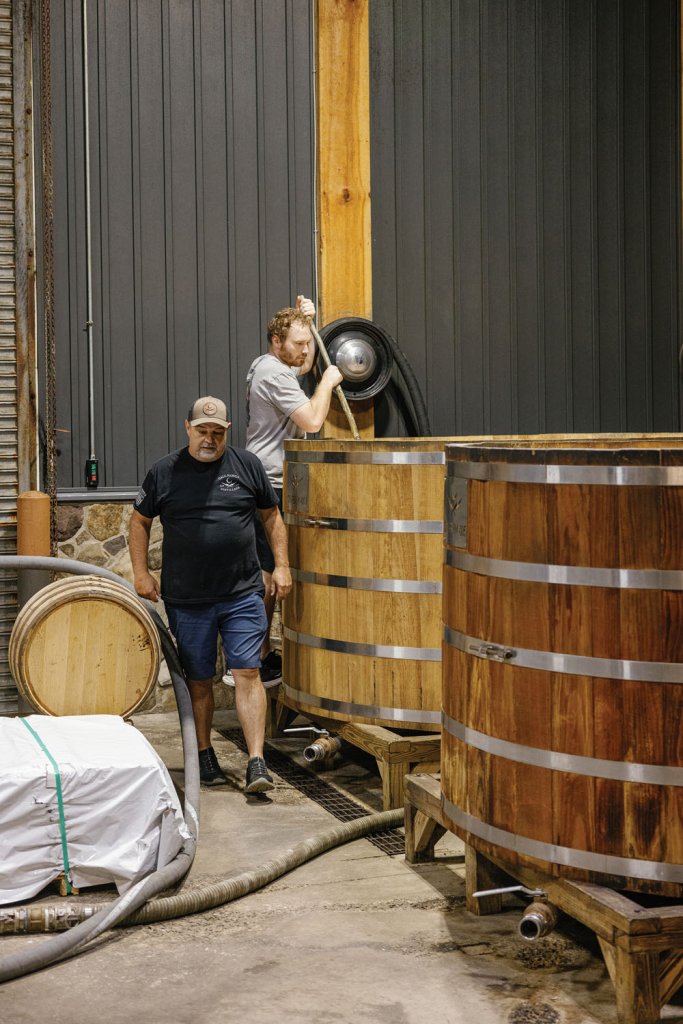
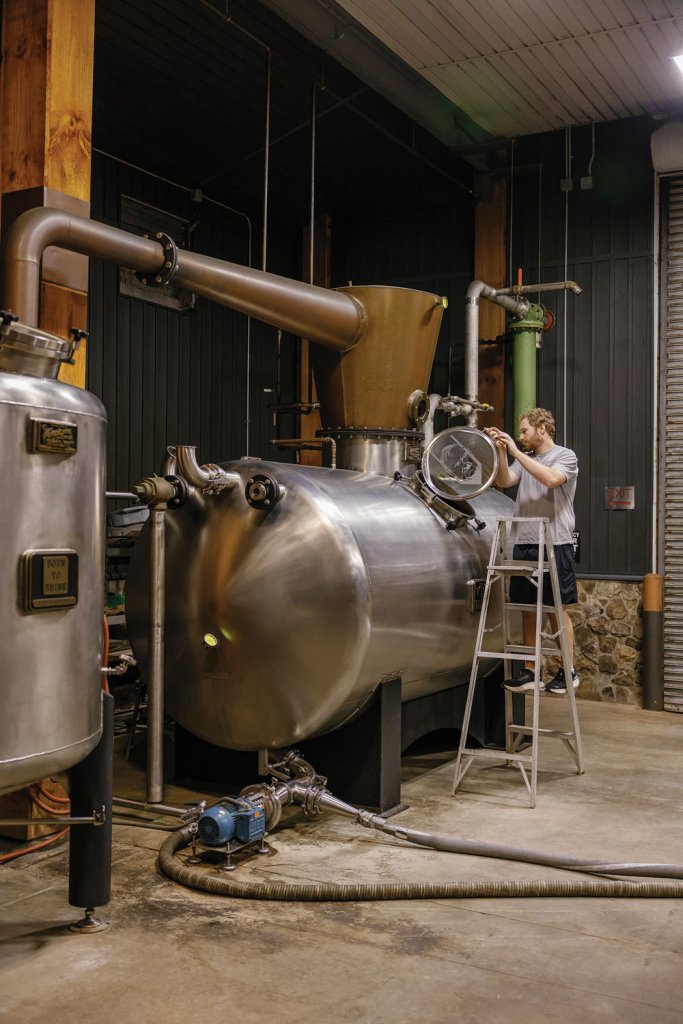
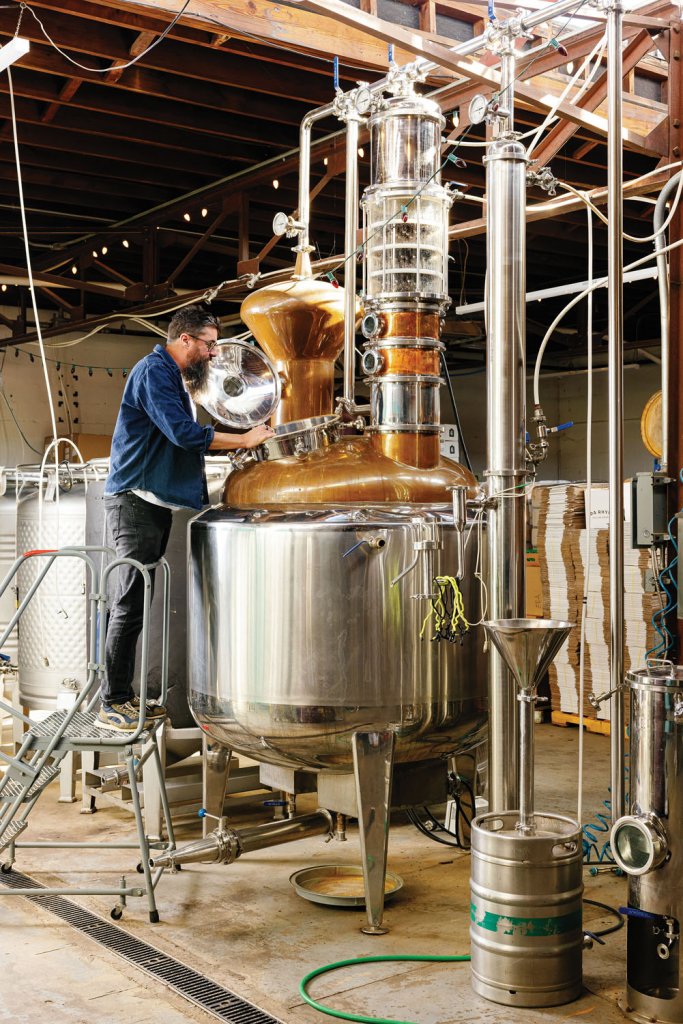
The Call Family lean deep into their Wilkes County traditions, distilling through “The Bull,” a custom 2,100-gallon direct steam injection still. Willie Call would have used the same method, as did other Wilkes County bootleggers, as it prevents scorching and produces cleaner, smoother liquid, per Austin Call. He’s particularly proud of the distillery’s gold award-winning Apple Pie Moonshine, which he says validates the family’s methods.
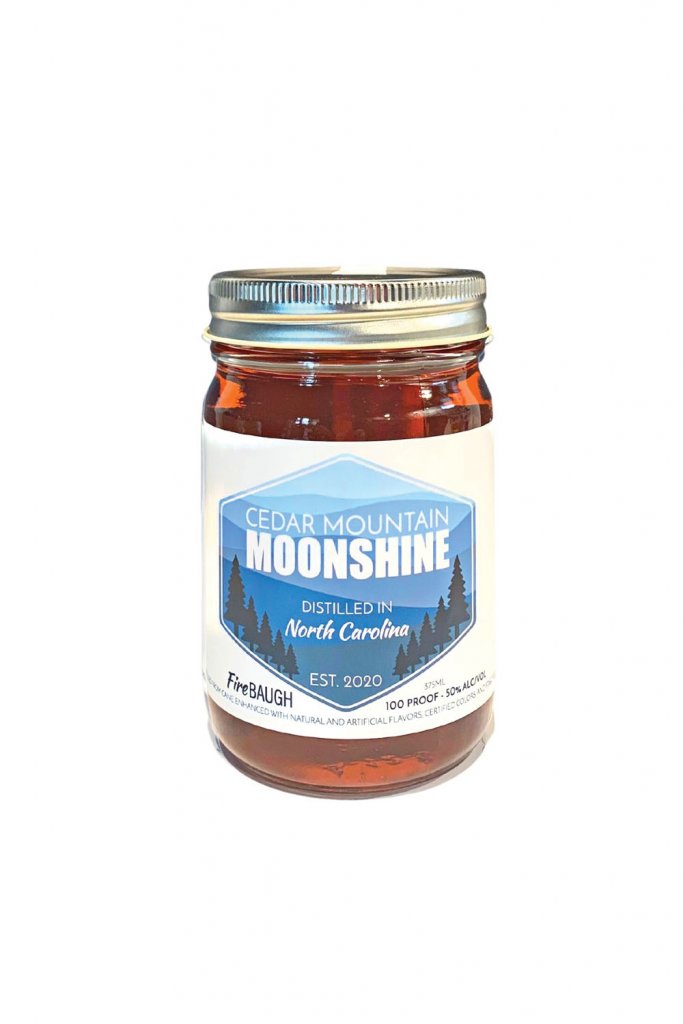
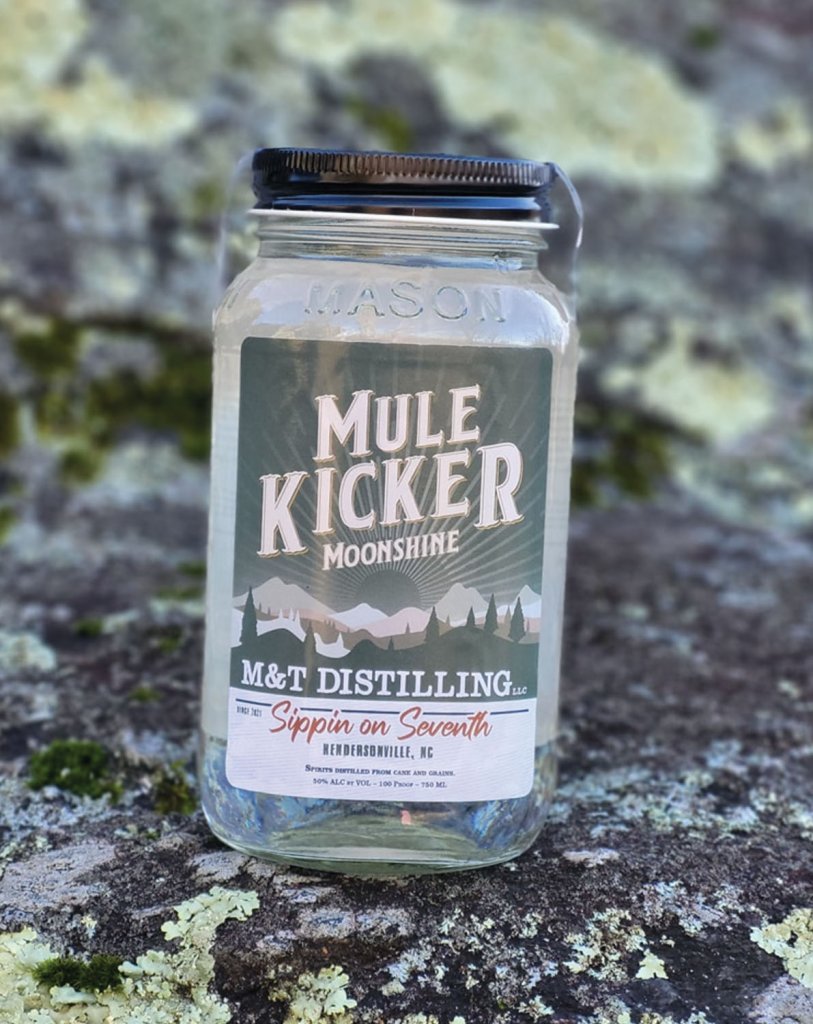
Other moonshine-specific distilleries still in production around WNC include Cedar Mountain Moonshine near Brevard, Copper Creek Distillery in Marion, and M & T Distilling in Hendersonville.
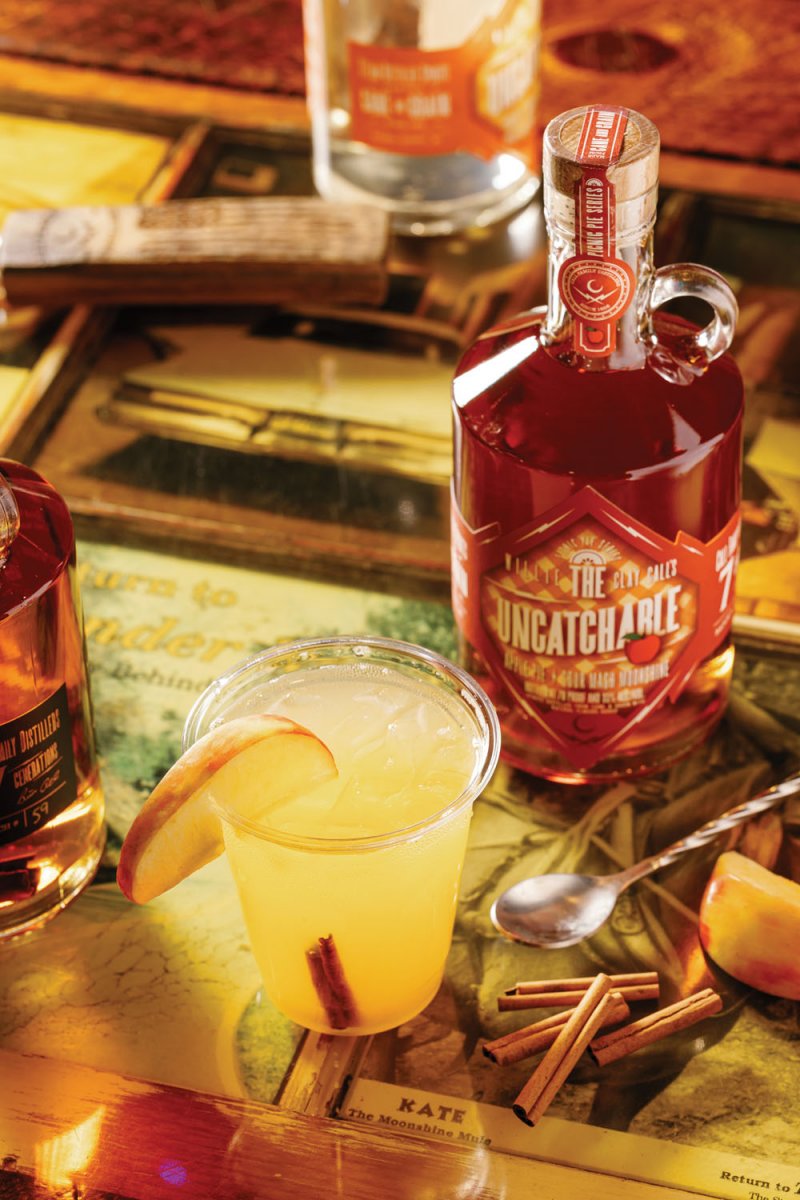
Apple Pie Pit Stop
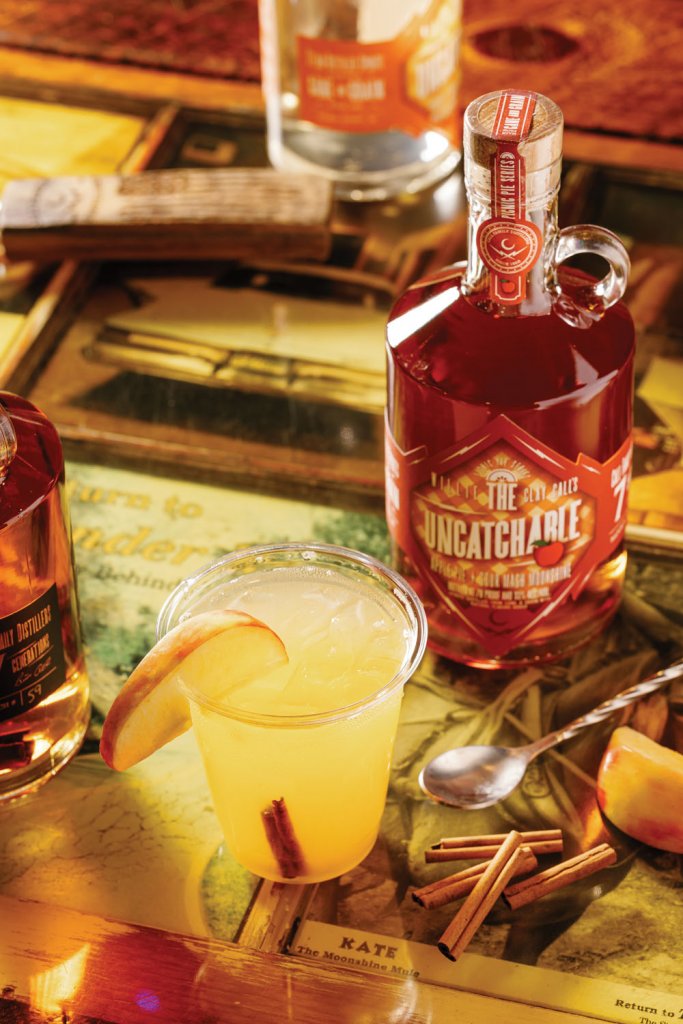
A fall cocktail with a kick, this is a simple recipe that showcases the deep flavor profile of the 70 proof moonshine. Courtesy of Call Family Distillers.
(yields 1 drink)
- 2 oz. Willie Clay’s The Uncatchable Apple
- Pie Moonshine
- 3 oz. pineapple juice
- 3 oz. ginger ale
- 1 cinnamon stick
- 1 apple wedge
In a glass, combine moonshine, pineapple juice, and ginger ale. Float the cocktail. Serve with ice, and add cinnamon stick and apple wedge to garnish.
New Players: New Spirits
While WNC’s moonshine heritage will always be significant, recent distilleries are diversifying into other spirits while making them distinctive to Appalachia.
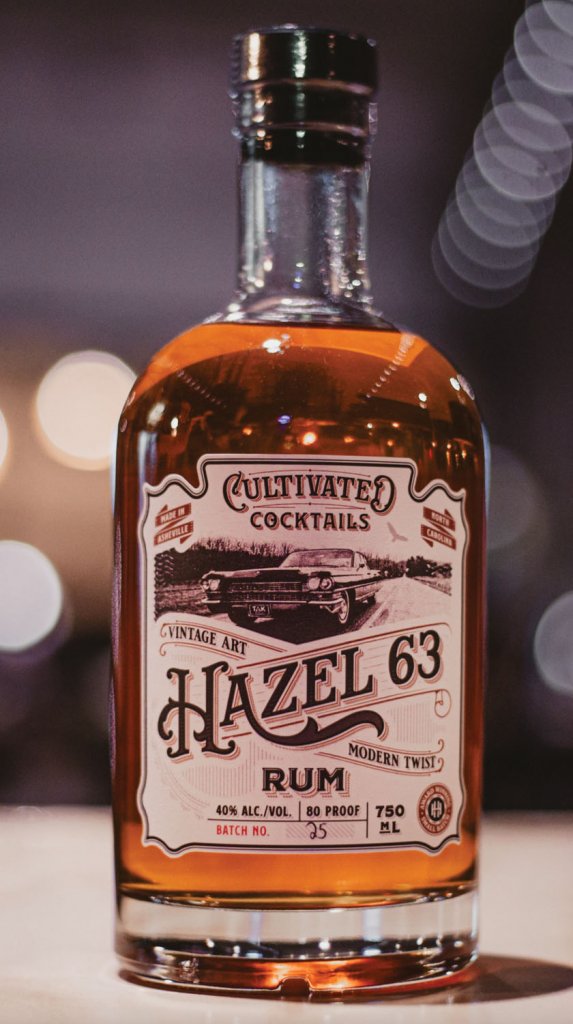
Cultivated Cocktails Distillery started in Fairview in 2012, although the first products weren’t released until 2016. Taylor and Leah Howard built the distillery from the ground up around their flagship aged rum, Hazel 63. Since then, the team has added gins, vodka, coffee and crème de cacao liqueurs, a ginger cordial, and whiskies to the roster.
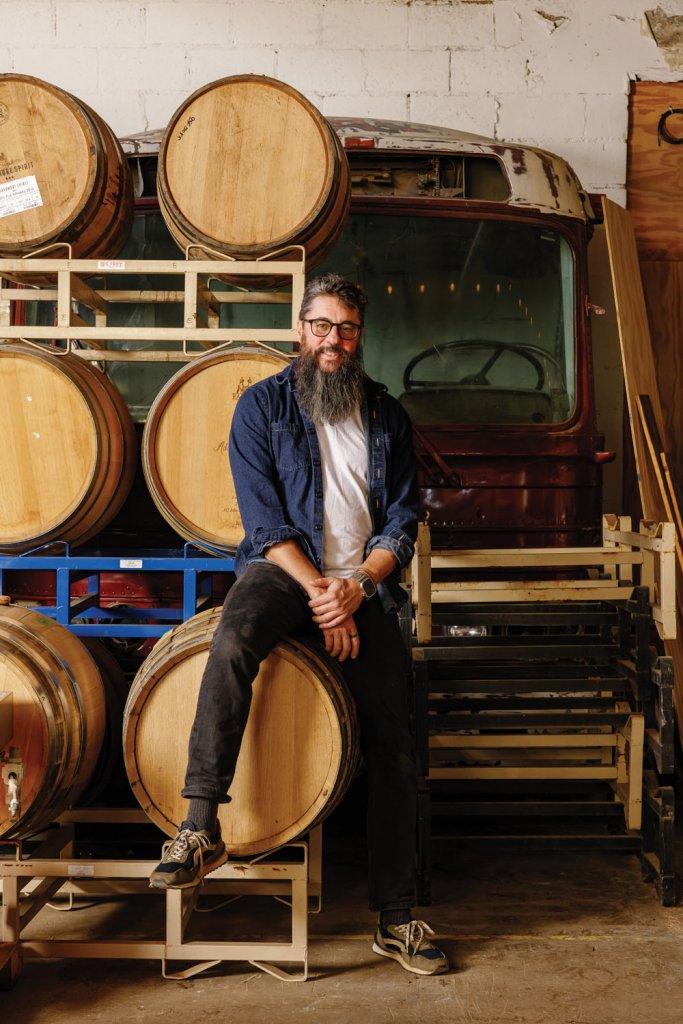
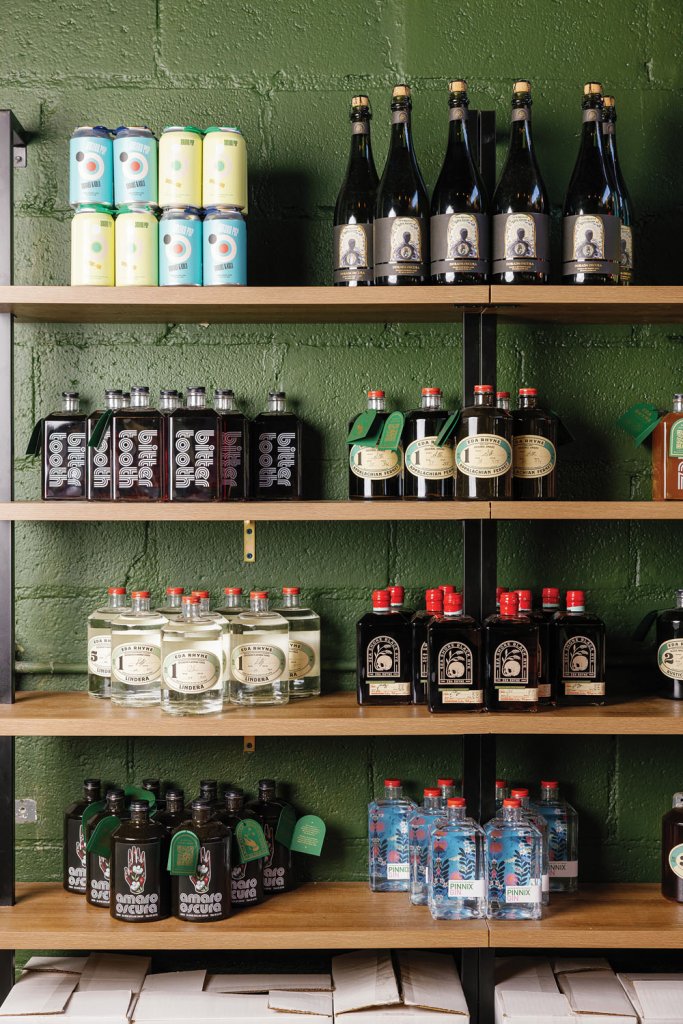
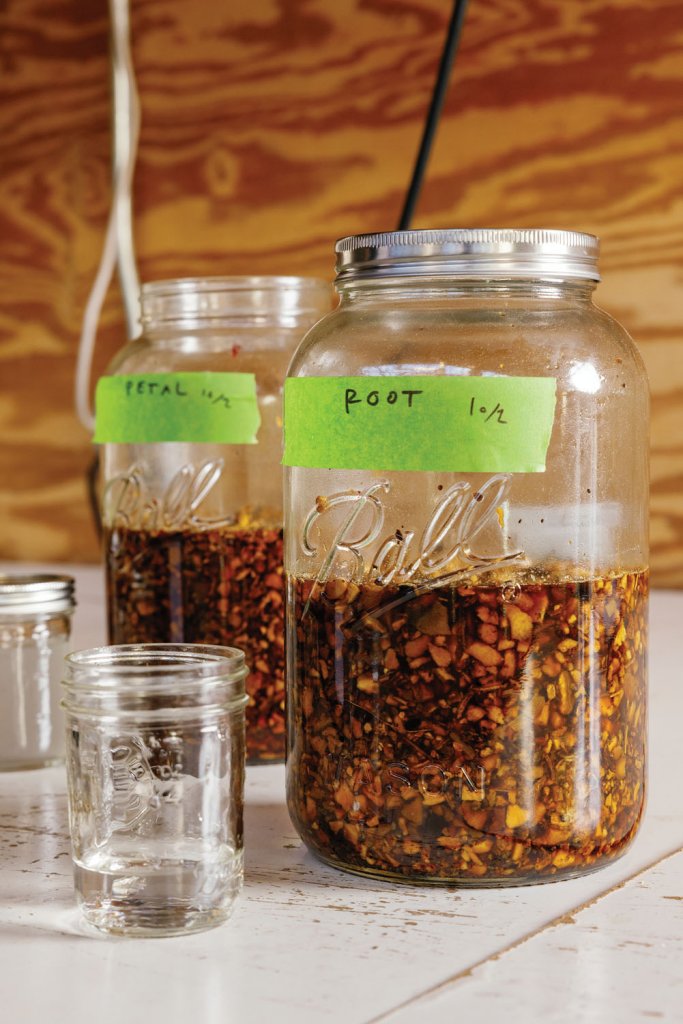
Asheville’s Eda Rhyne started production in 2017 and opened their first tasting room in 2018. Four friends, all of whom have deep roots in this region, decided to mix things up by starting a distillery that primarily produces traditional Italian-style liquors created with botanicals from Southern Appalachian forests. Local favorites are a Fernet infused with aromatic forest herbs and a Nocino crafted from hand-gathered black walnuts.
“We are no longer unique in using native botanicals because that’s caught on,” Eda Rhyne’s Murphy says. “But we are aiming at being an Amari/herbal liquor distillery, which is unique. Often, herbal liquors are afterthoughts for distilleries focusing on more traditional beverages.”
“We spend years developing every new recipe,” he adds. “I think that matters a lot. The intention is recognized by the customers. We stand out by trying to do a truly local thing with wild-crafted, rustic WNC botanicals.”
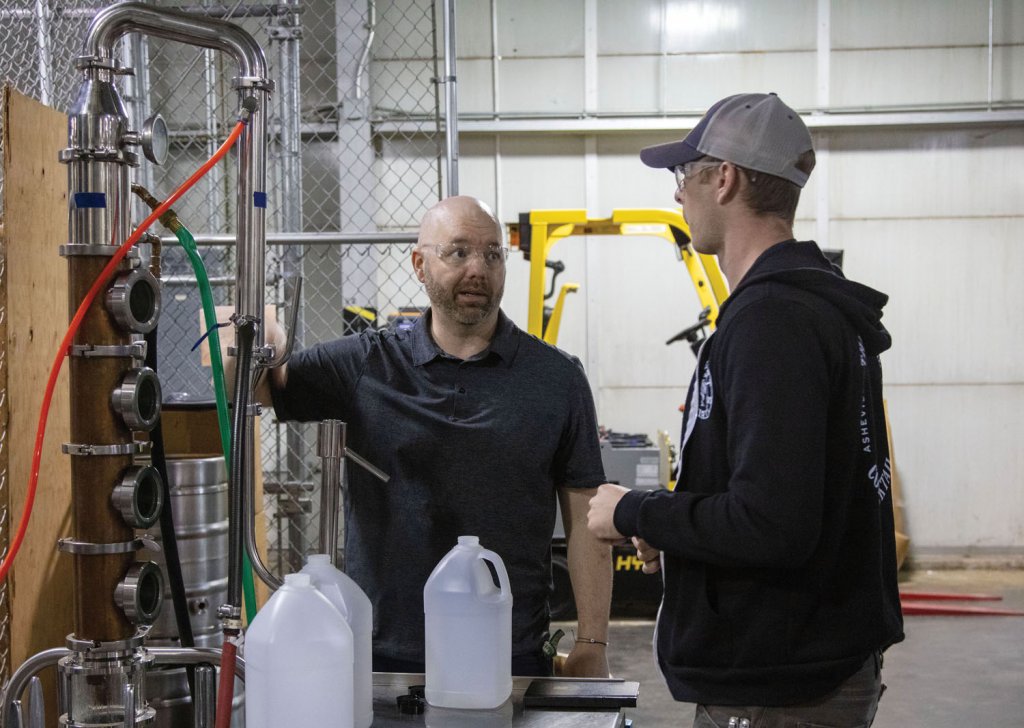
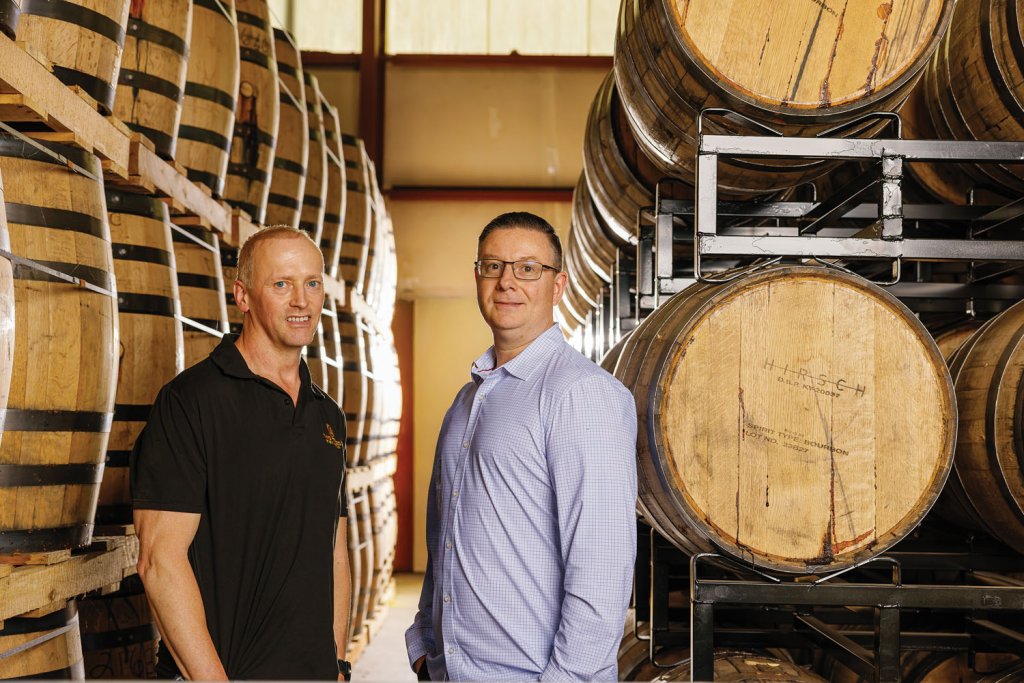
Next to open was Two Trees Beverage Company in Fletcher. Co-founder Chad Slagle started as Master Distiller for Asheville Distilling in 2015 but went out on his own with friend Keith Mort in 2018.
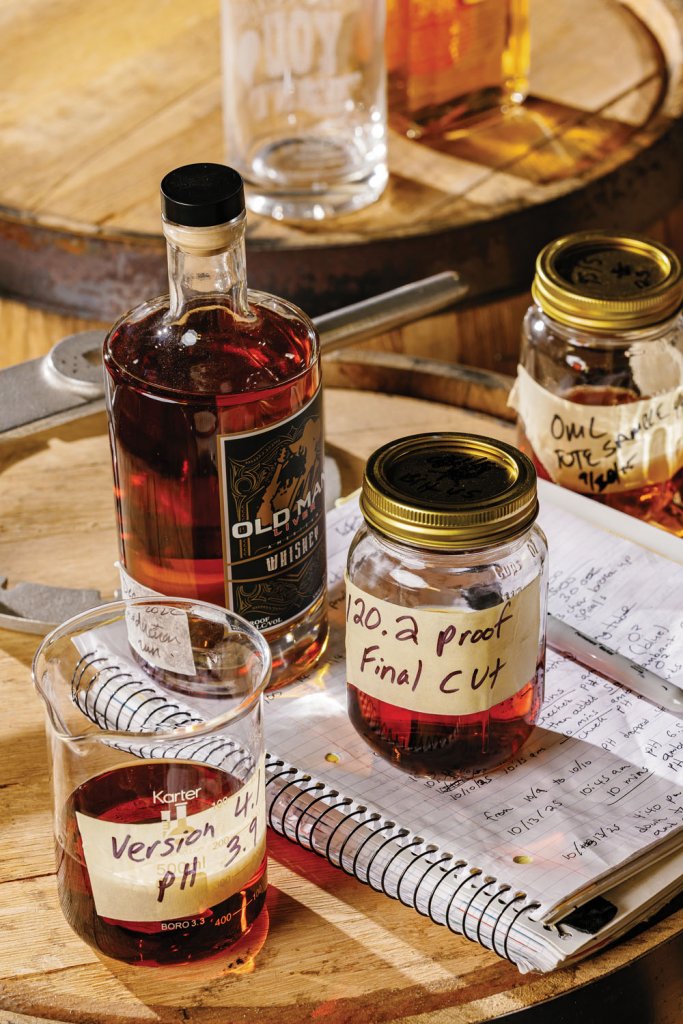
When new distillers want to make aged whiskey, they face a sticky problem. Whiskey needs to develop for years in charred wood barrels. These barrels take up storage space, but more significantly, how do new businesses survive when all their inventory is sitting in storage? This is why many start out by producing moonshine, gin, or vodka—none of which require significant, if any, aging. However, Slagle and Mort invented a proprietary-accelerated aging process that’s since turned their business into one of the largest distributing distilleries in the Southeast.
“There’s an old airport nearby with a grass runway, and there were old airplane hangers there until Helene. We started doing our experiments out there in case anything blew up,” Slagle says. “So we’re in this old hangar from the ’60s, and we were trying to push energy waves through alcohol and wood. Sometimes things did blow up. We finally came up with something that worked and filed a patent.”
However, getting the taste profiles right with the new technology took time. “It took 10 years of work and effort and working with different woods and the actual system to develop the award-winning products we now have,” says Steve Laker, CEO of MDWerks. This public energy wave technology company acquired Two Trees in 2023, noting in a press release: “This scalable, environmentally friendly technology results in all-natural, high-quality distilled products . . . that are indistinguishable by taste from those that are traditionally aged in wood barrels.”
“We still value the tradition of aging,” Laker says. “We don’t add anything to the distillate. We just advanced the process. Here, instead of waiting for years, you can taste the product in 24 hours and make changes and do it again.”
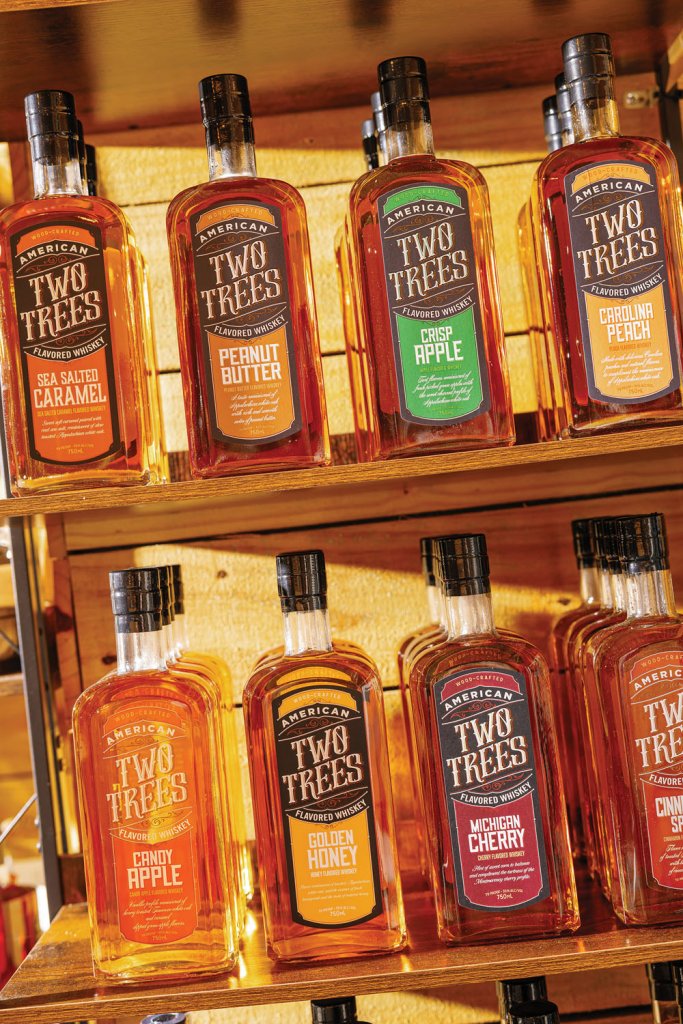
The distillery doesn’t produce their own mash. Instead, tanker trucks deliver distillate and Two Trees ages it—fast. The distillery specializes in whiskies, including a variety of flavored ones, from pumpkin spice to peanut butter. A line of Appalachian-folklore inspired whiskies are also popular, especially the award-winning Snarly Yow Rye Bourbon. Two Trees is registered for distribution in 38 states.
Despite Two Trees’ less-than-traditional process, Slagle touts deep roots in WNC. He and Mort are both Black Mountain natives, and the distillery is named for herbalist Chief Two Trees, who foraged for medicinal plants with Slagle’s grandpa in McDowell County back in the day.
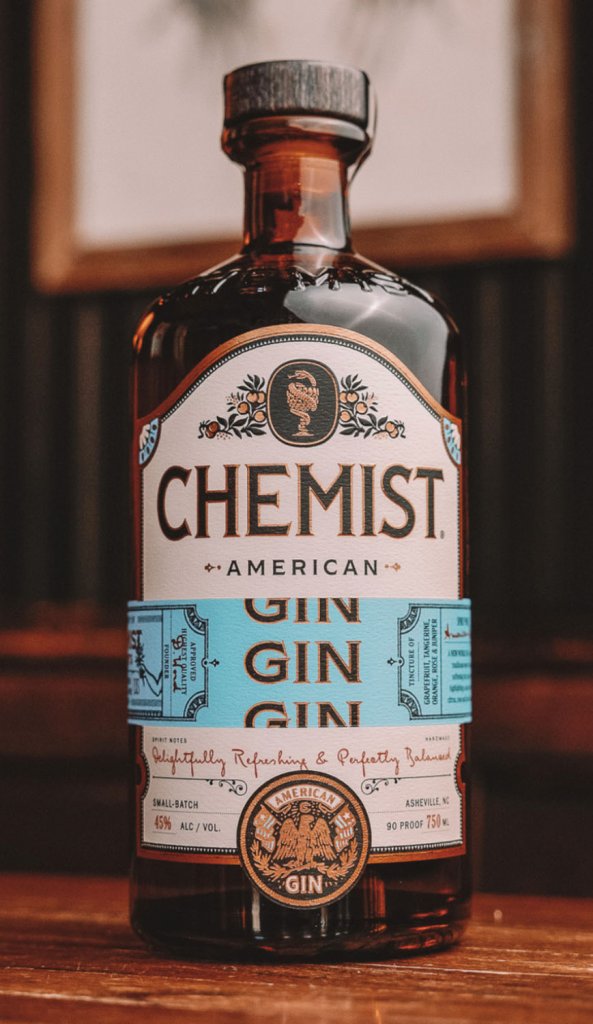
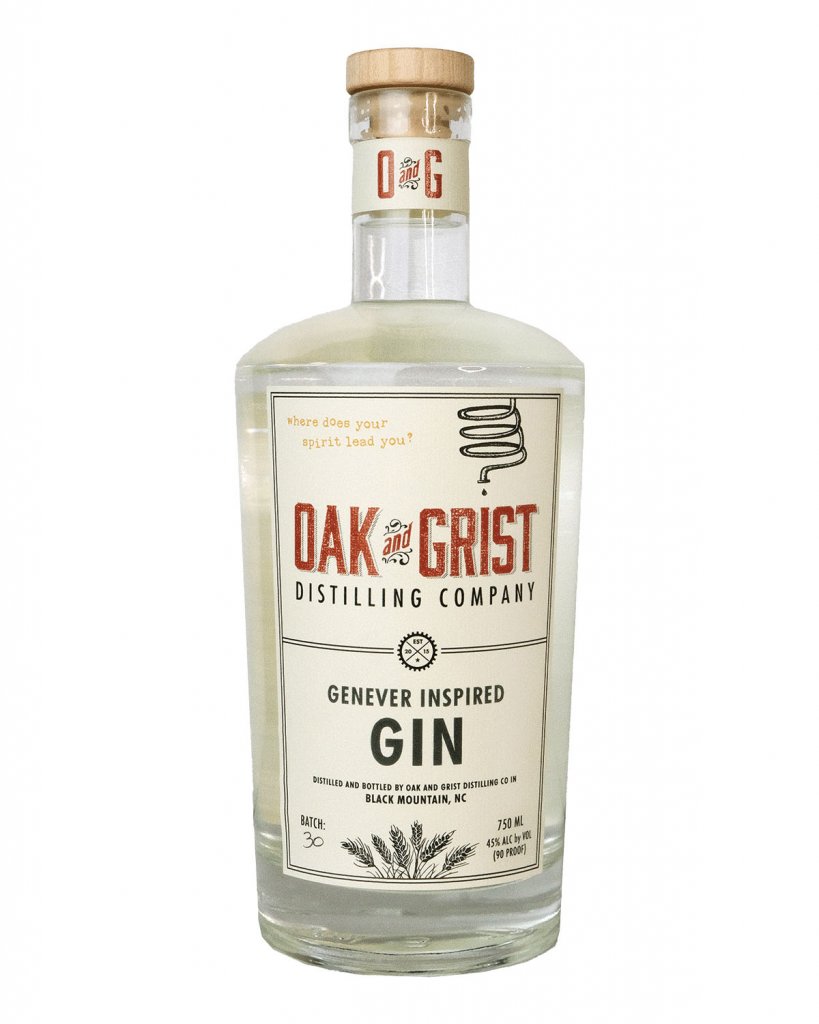
Other players in the WNC distillation field include Black Mountain’s Oak & Grist, producing gin and whiskies. In Asheville, there’s Chemist Spirits, distilling gins, vodka and single malt whiskies, and Dalton Distillery making small batch rums and vodka.
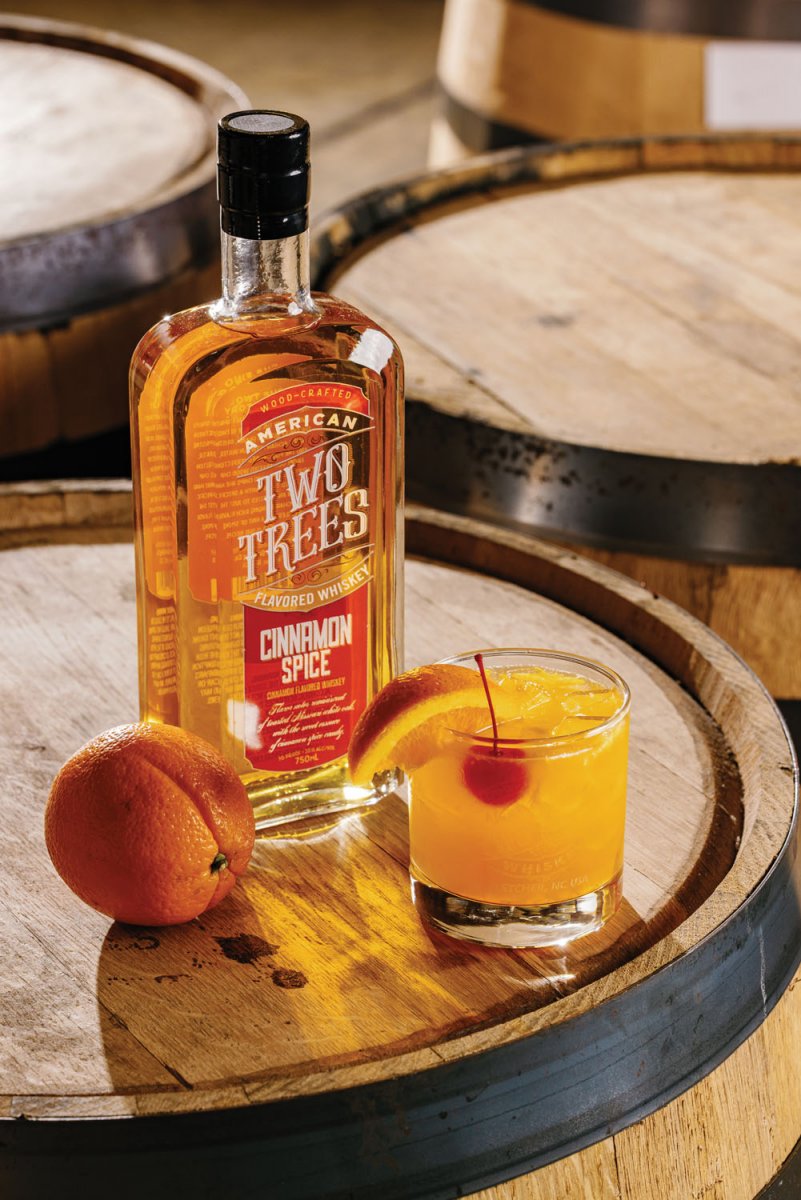
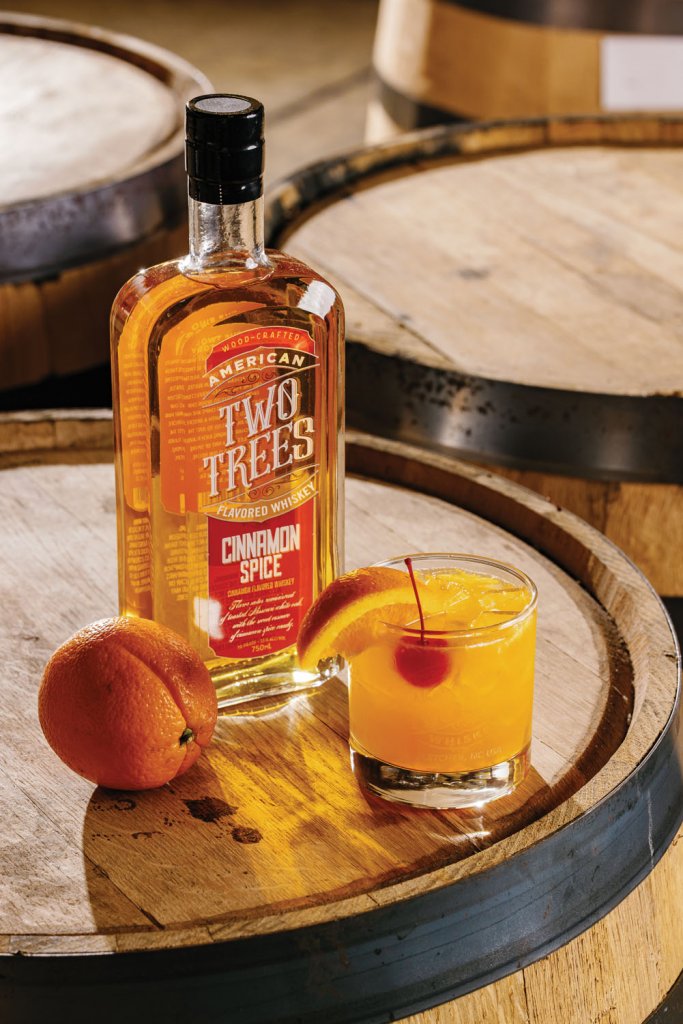
Cinnamon Spiced Orange Whiskey
This fruity concoction combines a touch of citrusy sweetness with the savory, earthy cinnamon notes found in the liquor. Courtesy of Two Trees Beverage Company.
(yields 1 drink)
- 3 oz. Two Trees Cinnamon Spice Bourbon
- 1 oz. simple syrup
- 1 orange slice
- Dash of angostura bitters
- Orange slices and cherries, to garnish
In a cocktail shaker, muddle together orange slice, simple syrup, and dash of bitters. Add whiskey and handful of ice. Cover and shake until drink is chilled. Strain cocktail into serving glass with a single large ice cube. Garnish with orange slices and cherries, and serve.
Post Hurricane Recovery
The weekend that Hurricane Helene hit WNC, a team from Eda Rhyne was at the Terra Madre Slow Food Experience in Italy, serving their Amari to tens of thousands of people (Amari is the plural of Amaro). They were the only non-indigenous American producers invited to the prestigious marketplace.
“I’d had this dream since I was raising hogs to get invited to Terra Madre. I got invited as a distiller instead of a farmer,” Murphy says. “It was a high point of my career—as good as it could get as far as recognition in the food and beverage world. It was nerve-wracking to serve our American-made Amari to Italians. But there were only positive responses, and we ran out of all the product that we shipped there.”
The crew were riding high. Eda Rhyne had just won a Garden & Gun Magazine Made in the South Award. “Things couldn’t have been going better. We’d planned a big fanfare for our first whiskey release in October. We released Bitter Tooth (an Appalachian-style bitter apéritif) the night before the hurricane. Then, that weekend, it all got washed away—both metaphorically and literally,” Murphy says.
The distillery sits behind Biltmore Village, and the Swannanoa River submerged more than 70 barrels of Eda Rhyne’s first run of whiskey, which had been aged for more than seven years. Some more recent barrels, that had been aging for only four or five years, survived, as they were stored at Eda’s Hide-Away bar in Weaverville. The distillery lost additional inventory, packaging materials, and equipment, although Murphy says they were able to clean and save their still.
The one-two punch of the pandemic and Hurricane Helene set many WNC businesses back and forced them to invest in recovery instead of expansion.
“Instead of having to clamor back from the storm, we would be in major expansion mode right now,” Murphy says. Even so, he recently was able to obtain extra storage and future tasting room space in Weaverville, away from rising waters. “Most of our products take a minimum of six months to age, so there’s the expenditure of having to pay for something that you can’t sell yet,” Murphy says. “We won’t sell any whiskey that’s less than four years old, so when we run out, we just have to wait.”
“With the whiskey, it was such a heartbreak because we were using this heirloom Seashore Black Rye grain and buying all of it,” he adds. Asheville-based Riverbend Malt House worked with Eda Rhyne and Southeastern farmers to start growing this rye and bring it back from near extinction.
Cultivated Cocktails opened a downtown Asheville cocktail lounge in 2019 but closed it in 2025. Leah Howard cites Helene as the primary disrupter. “We’d banked on the downtown location bringing in tourism, and we didn’t see that after Helene. Also, we were hit hard at our personal home, so we needed to focus on that,” she says. Cultivated Cocktails Tavern, across from the Fairview distillery, continues to thrive. That location is greatly supported by the local community and is even beginning to see a few tourists, notes Howard.
Also, after Helene, both Eda Rhyne and Cultivated Cocktails stopped distributing outside of the state because they could no longer fill orders. Before the hurricane, Eda Rhyne was distributing to 16 states and Cultivated to seven. But loss, not only of product, but of potable water, negatively impacted production and hindered recovery for many small businesses. This was especially true for distilleries and breweries, whose products are 90 percent water. “That was a huge problem, because, while we could and did sell our existing product, we had no way to replenish it,” Howard says. Murphy hopes Eda Rhyne can build back up enough to start shipping out of state again in 2025.
While Two Trees was not affected at their Fletcher site, Slagle aged a whiskey using wood from a tree that fell on Mort’s house during the hurricane. Ten percent of proceeds from this new whiskey, appropriately named Land of the Sky, benefit Helene relief nonprofits.
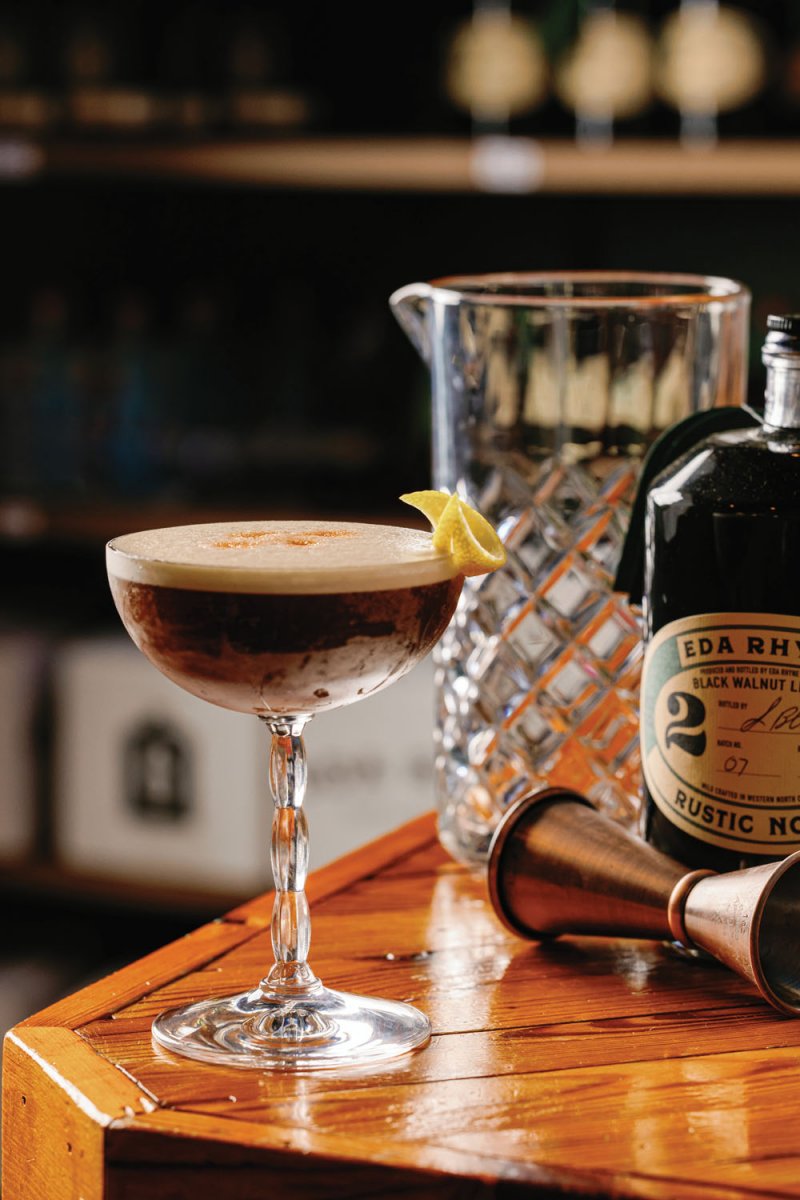
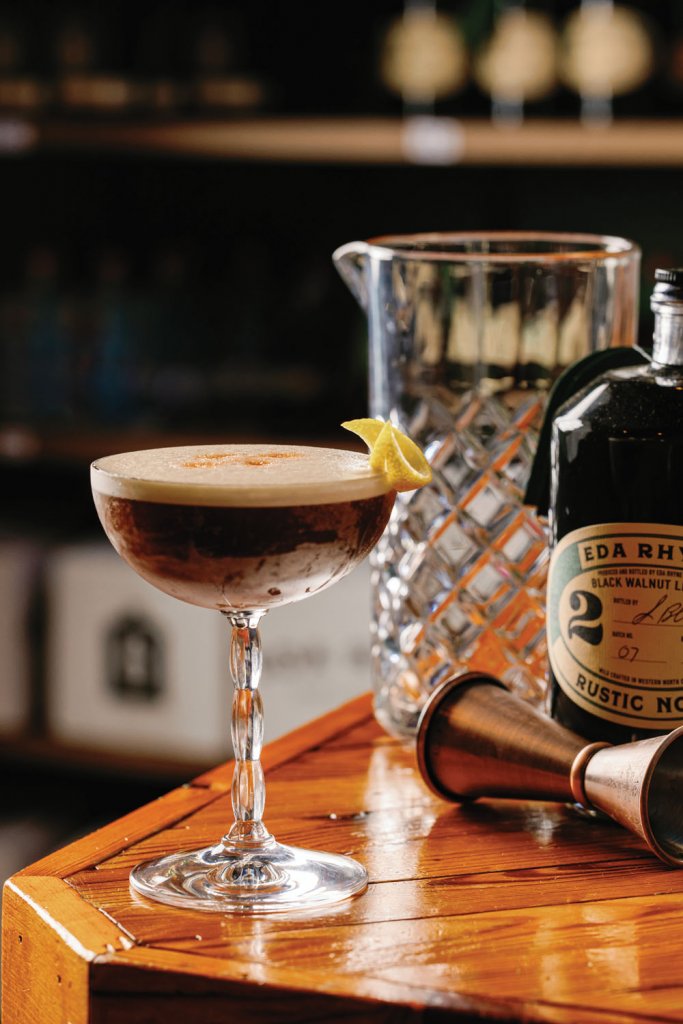
Espresso Martini
Using a combination of spirits, this espresso martini has notes of walnut and citrus for an herbaceous, aromatic cocktail. Courtesy of Eda Rhyne Distilling Company.
(yields 1 drink)
- 1 1/2 oz. espresso
- 1 1/2 oz. Eda Rhyne Lindera vodka
- 1/2 oz. simple syrup
- 1/4 oz. Eda Rhyne Rustic Nocino
- 1/4 oz. Eda Rhyne Appalachian Fernet
- Lemon peel, to garnish
Combine all ingredients in a cocktail shaker. Add ice and shake hard. Strain through a mesh strainer, and serve the drink in a chilled coupe, garnished with lemon peel.
The Future Tastes Bold
A rosy future for small beverage entrepreneurs requires continued creativity and innovation. “There are opportunities to be creative, and it’s not happening much right now, but that’s what I want to see,” Murphy says. “Like with beer, it took a couple decades after breweries were everywhere to see more creativity with sour beers and fruity beers and processes such as hop experimentation and barrel-aging. We’re not there with spirits yet.”
Even so, Eda Rhyne continues to lead the way with experimentation. The distillers recently created a one-of-a-kind mushroom liqueur fermented only with chanterelle mushrooms and a little bit of sugar.
The trend of the beer scene influencing distilling has reversed, with some breweries adding distilled beverages to their line-ups. Asheville Brewing Company’s Ninja Spirits makes a ready-to-drink Old Fashioned and a vodka, while Rye Knot Kitchen, Brewery, & Distillery in North Asheville produces a range of small batch liquors, including a couple of rums.
The ready-to-drink category of pre-made canned and bottled cocktails is gaining market traction as well. Eda Rhyne cans a couple of Amari-based cocktails. Several distilleries offer bottled Old-Fashioned or Manhattan cocktails. While tours and tastings are common, distilleries are pivoting to meet the needs of customers with make-at-home cocktail kits, recipes, and home bar building advice.
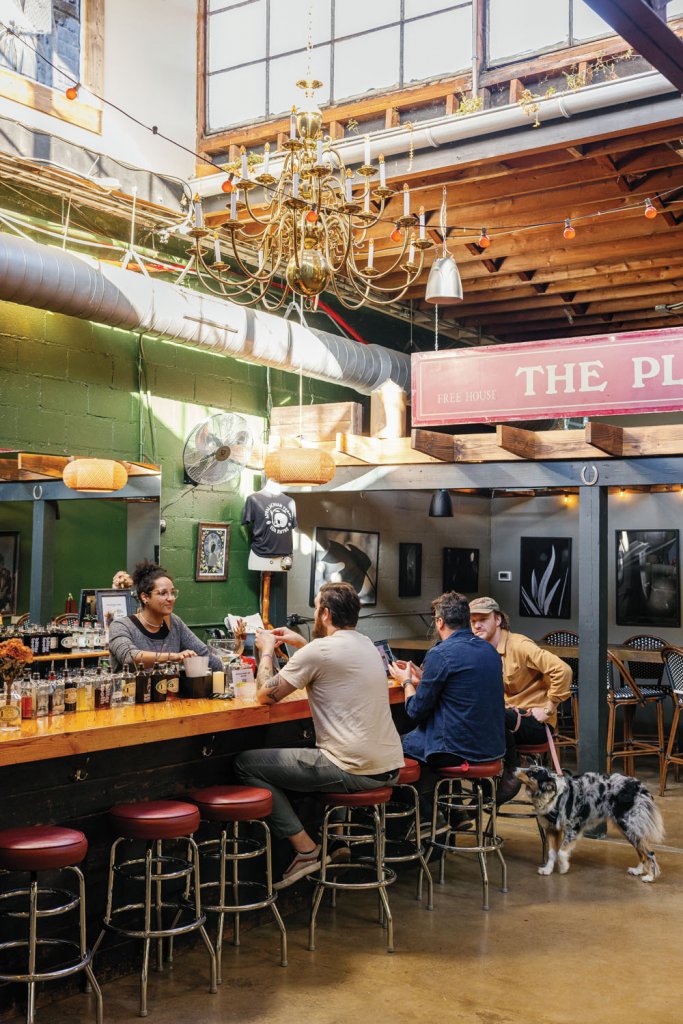
Distilleries, like breweries before them, have also become community and event centers, hosting fundraisers, meetings, and the like. Want to get married in a distillery? You can do that.
Local restaurants and bars are both creating cocktails with local spirits and actively partnering with their distilleries. During 2025’s Negroni Week, Asheville restaurants Strada and Gemelli touted a “Local’s Negroni,” made with Chemist Spirits’ gin and Eda Rhyne’s Bitter Tooth.
“Now distilleries are popping up in Charlotte, Raleigh, and coastal North Carolina communities, but not as much anymore in WNC,” Slagle says. “It would be nice to see more destination type places here and enough of them that there could be a bus distillery tour instead of a brews cruise.”
As evidenced by the distilleries that have shuttered their doors, it can be challenging to make it in WNC, especially after the devastation of Helene.
Austin Call offers hope, however: “The future of distilling in WNC is incredibly bright. It’s rooted in our region’s authentic heritage combined with growing consumer appreciation for craft spirits and genuine stories. People don’t just want to buy a bottle, but they want to understand the story, meet the people, and connect with the tradition.”
Sip & See
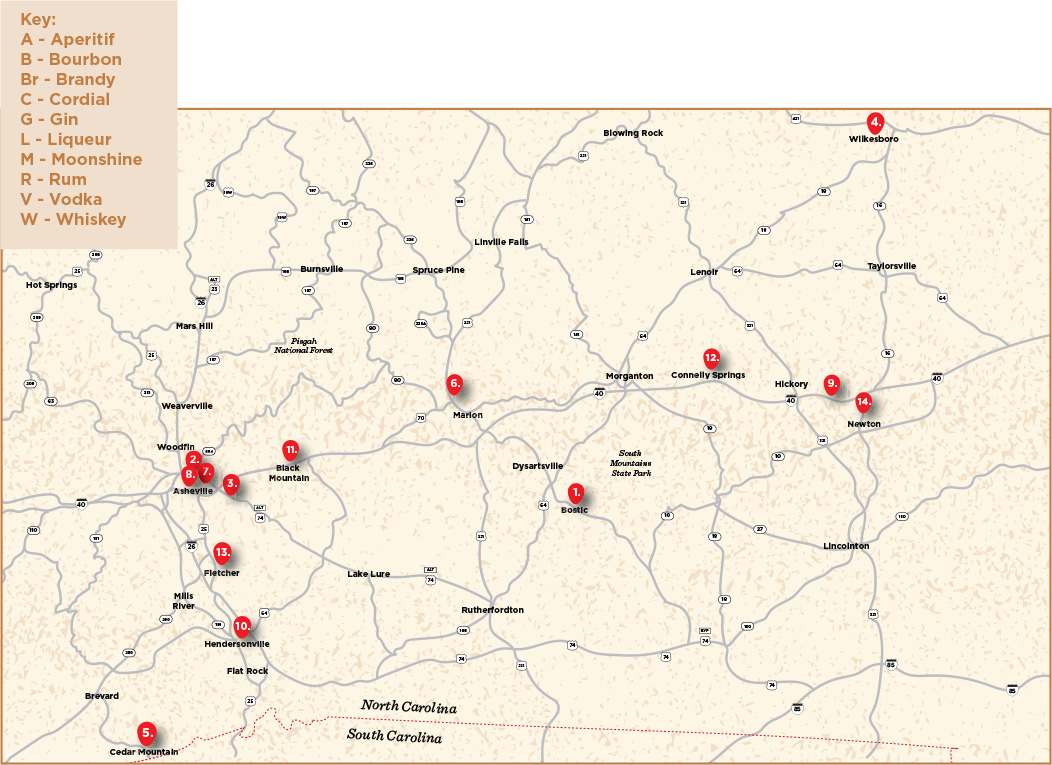
In Western North Carolina, spirits are abounding; from the Far West to the High Country, you can find a new favorite at any of our distilleries.
- Blue Ridge Distilling Company - W
228 Redbud Ln., Bostic
(828) 245-2041; blueridgedistilling.com
- Chemist Spirits - G L V W
151 Coxe Ave., Asheville
chemistspirits.com
- Cultivated Cocktails - A C G L R V W
161 Charlotte Hwy., Unit A, Asheville
(828) 338-9779; cultivatedcocktails.com
- Call Family Distillers - L M
1611 Industrial Dr., Wilkesboro
(336) 990-0708; callfamilydistillers.com
- Cedar Mountain Moonshine - M
10754 Greenville Hwy., Cedar Mountain
(828) 276-1059; cedarmountainmoonshine.com
- Copper Creek Distillery - M
2550 US-221 Business, Marion
coppercreekshine.com
- Dalton Distillery - R V
251 Biltmore Ave., Asheville
(828) 785-1499; dalton-distillery.com
- Eda Rhyne Distilling Company - G V W
101 Fairview Rd. Ste. A, Asheville
(828) 412-5441; edarhyne.com
- Gunpowder Creek Distillery - L W
1260 25th St., PL SE, Hickory
(828) 358-2088; whiskeync.com
- M & T Distilling - M
711 Maple St., Hendersonville
(828) 393-4031; mandtdistilling.com
- Oak & Grist Distilling Company - G W
1556 Grovestone Rd., Black Mountain
(828) 357-5750; oakandgrist.com
- South Mountain Distilling Co. - M R W
1027 Malcolm Blvd., Connelly Springs
(828) 368-0681; southmountaindistillery.com
- Two Trees Distilling - B V W
17 Continuum Dr., Fletcher
(828) 483-6755; twotreesdistilling.com
- Warehouse Distillery - B V W
2628 Northwest Blvd., Newton
(828) 464-5183; warehousedistillery.com