Bulldog’s Overmountain Men
Bulldog’s Overmountain Men: Looking back at Rendezvous Mountain’s Revolutionary War history

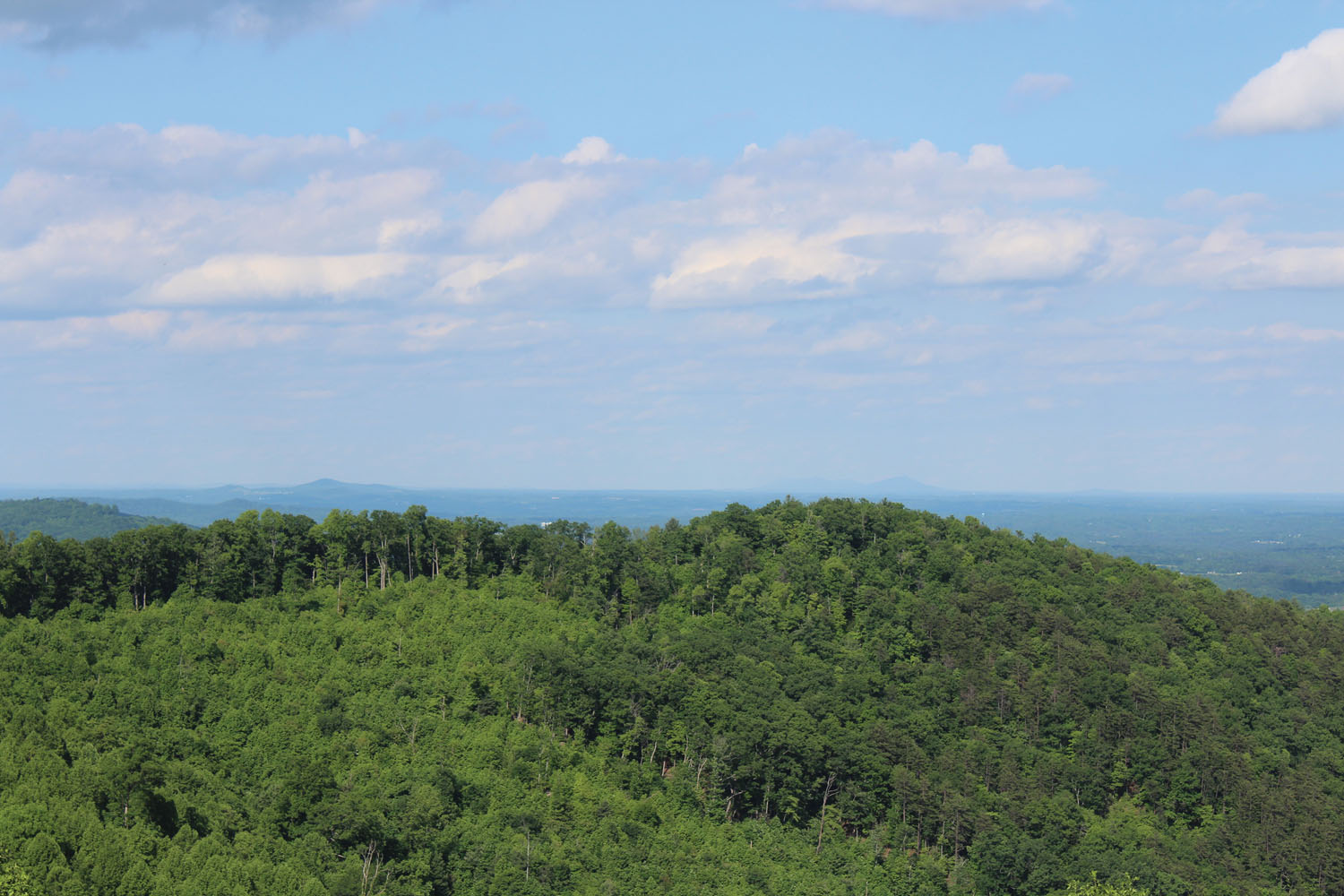
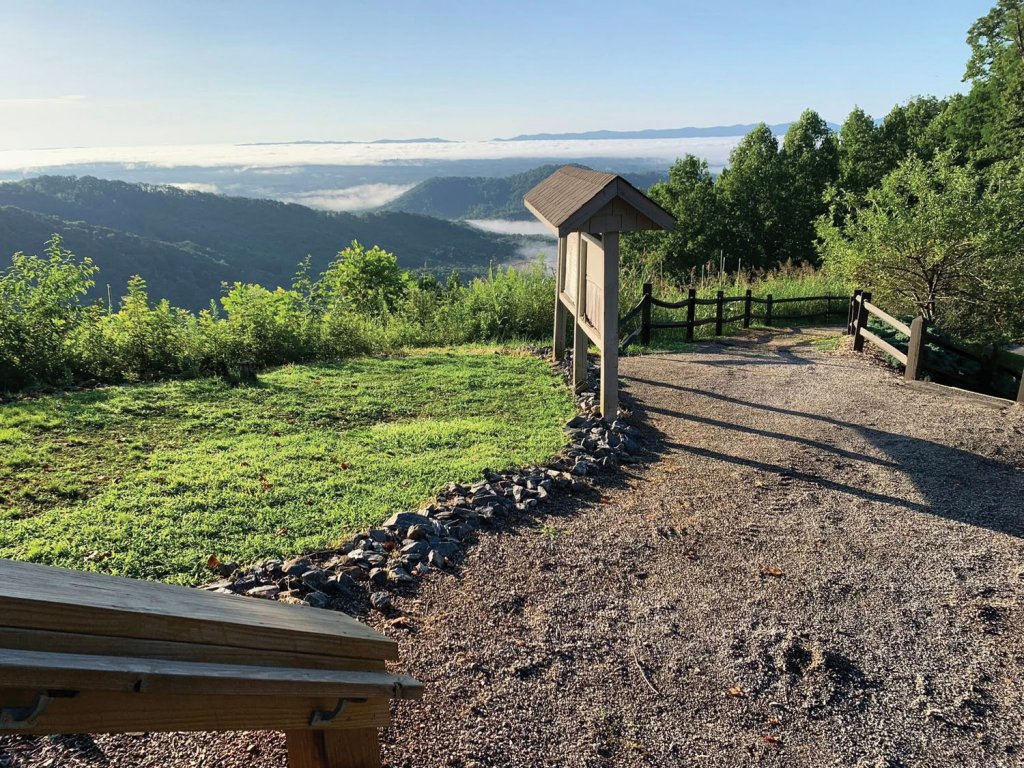
The High Country is home to Western North Carolina’s smallest state park: Rendezvous Mountain, a long, narrow, finger-like ridge projecting out from the Blue Ridge. It towers 1,000 feet or so over the Yadkin River valley, where Daniel Boone settled in the 1750s. Because of its legendary connection to the Overmountain Victory Trail, the land has been preserved and protected by the state since it was donated 100 years ago.
Rendezvous Mountain takes its name from a historic gathering of Patriot militia from Wilkes County; they answered the call to fight Lord Cornwallis’ Redcoats who were sweeping up through the Carolinas, intent on delivering a knockout blow to George Washington’s army in southeast Virginia.
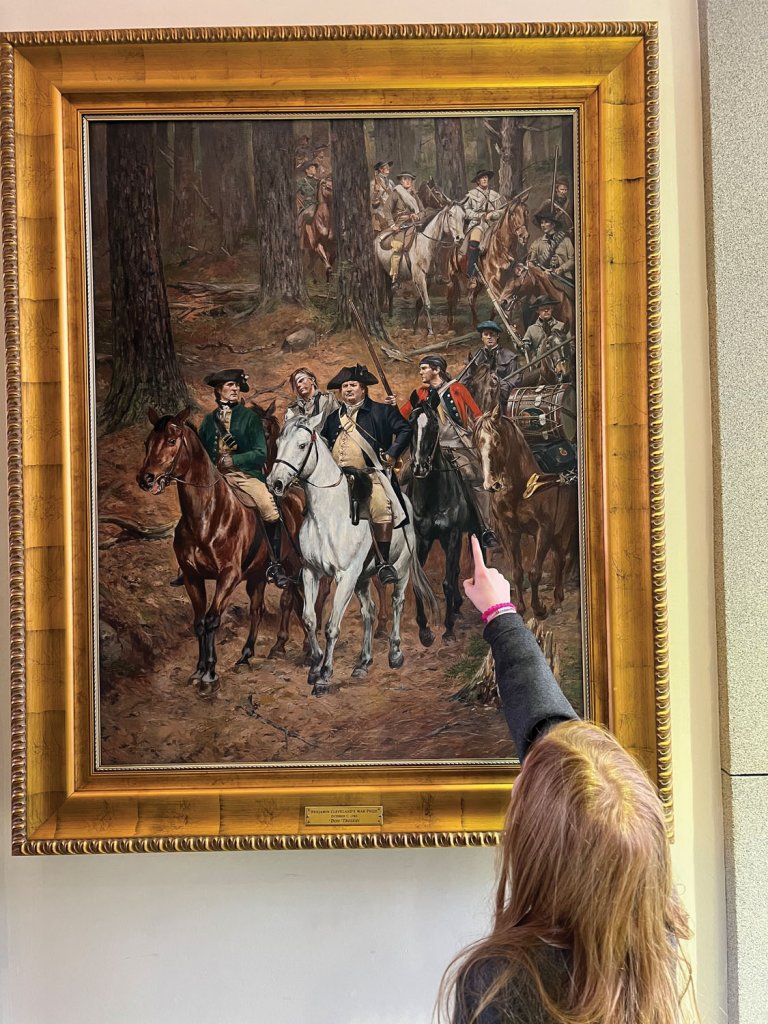
In September 1780, Patriot Col. Benjamin “Bulldog” Cleveland stood in a clearing on the mountain’s crest. He put his “bugle” made of a hollow cow horn to his lips and blew a string of short and long blasts, summoning Wilkes County’s Patriot militia to meet up on the mountain. Numbering about 200, Cleveland’s militia marched west to join others from Surry County.
A few days later, they, and other Patriot militias from Virginia and Tennessee, formed up at Quaker Meadows near today’s Morganton. The assembled Patriot militias, 1,700 strong, became known as the Overmountain Men. On October 7, a detachment of 700 or so surprised—and soundly defeated—more than 1,000 Loyalist militia in the battle of Kings Mountain.
During the following year, multiple bloody skirmishes with North Carolina Patriot militia sapped the strength of Cornwallis’ army. When reinforcements and supplies failed to arrive at Yorktown, the Redcoats had no option but to surrender on Oct. 19, 1781.
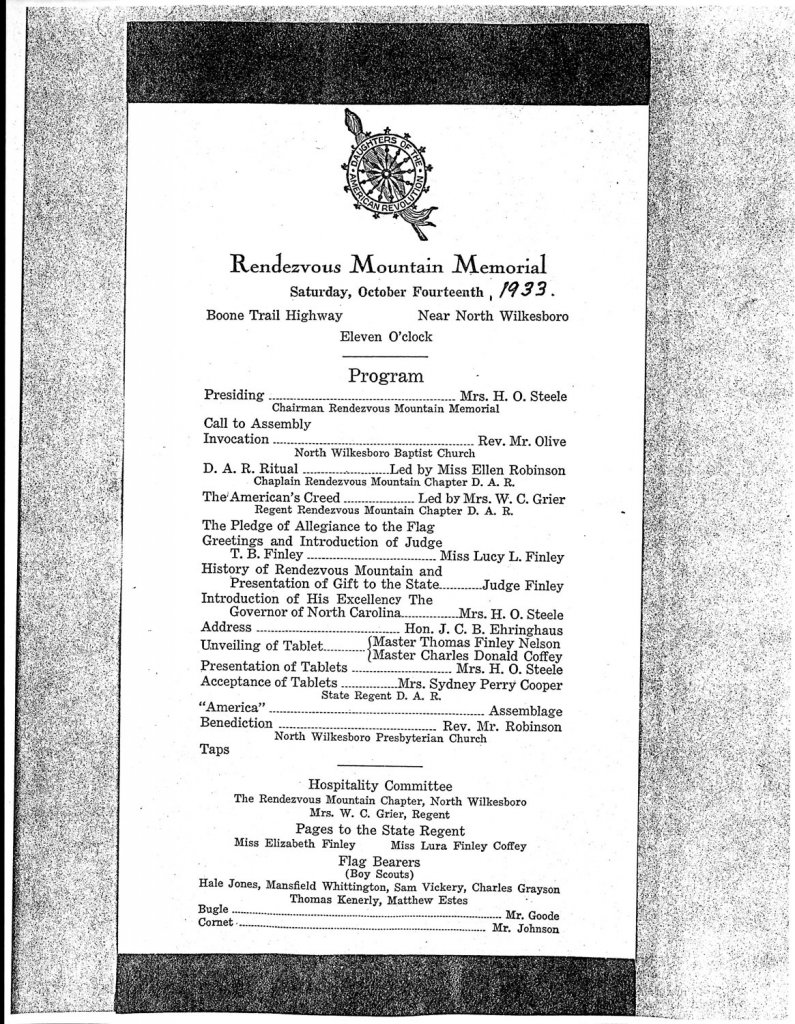
In the decades that followed, the mountain’s slopes were heavily logged. To preserve panoramic vistas from the ridge, and aware of its role in securing freedom for Americans, Superior Court Judge Thomas Brown Finley donated the mountain’s crest and surrounding land to the state and the Daughters of the American Revolution in 1926. The ridge and surrounding acreage became North Carolina’s third state park.
Managed by North Carolina’s Forest Service, in 1984 the terrain was designated an “educational state forest.” Among its purposes is educating youth and landowners on the benefits of sustainable forestry. Along self-guided nature trails, trees are labeled with their species, and signs explain the mountain’s ecology.
Rendezvous Mountain State Park was transferred to the state’s park service in 2022. And its role as a living classroom presenting the region’s natural and cultural history is being constantly refined.