Head South to Ski: People go “North” to ski. One of those ski spots has “Carolina” after it!
Head South to Ski: People go “North” to ski. One of those ski spots has “Carolina” after it!: A look backward and forward at one of our region's leading industries

North Carolina and the South are the Rodney Dangerfield of ski regions.
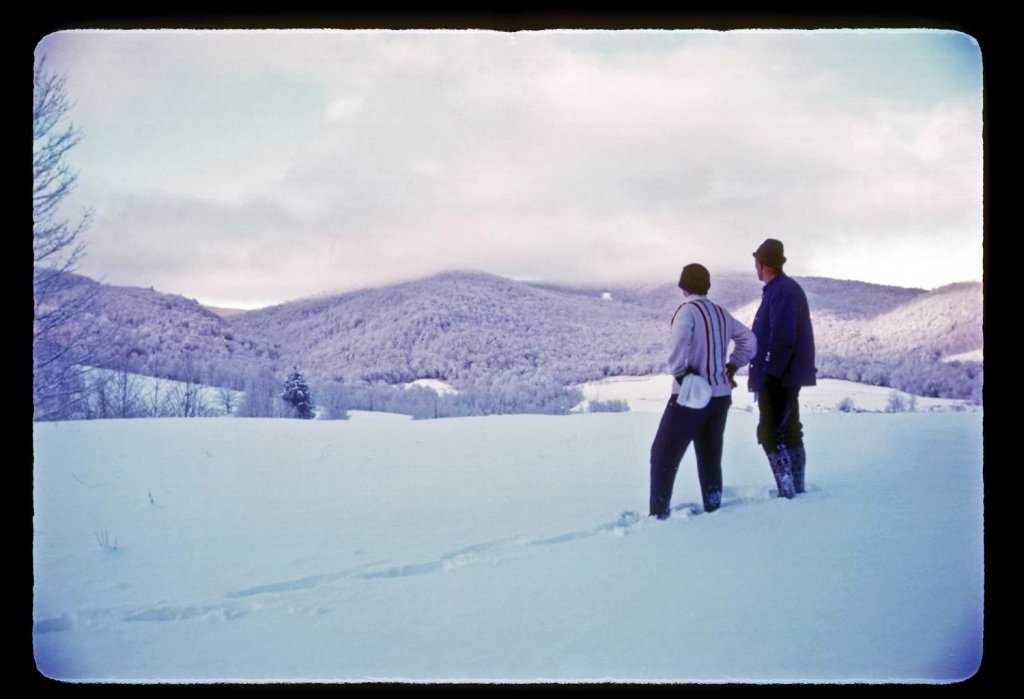
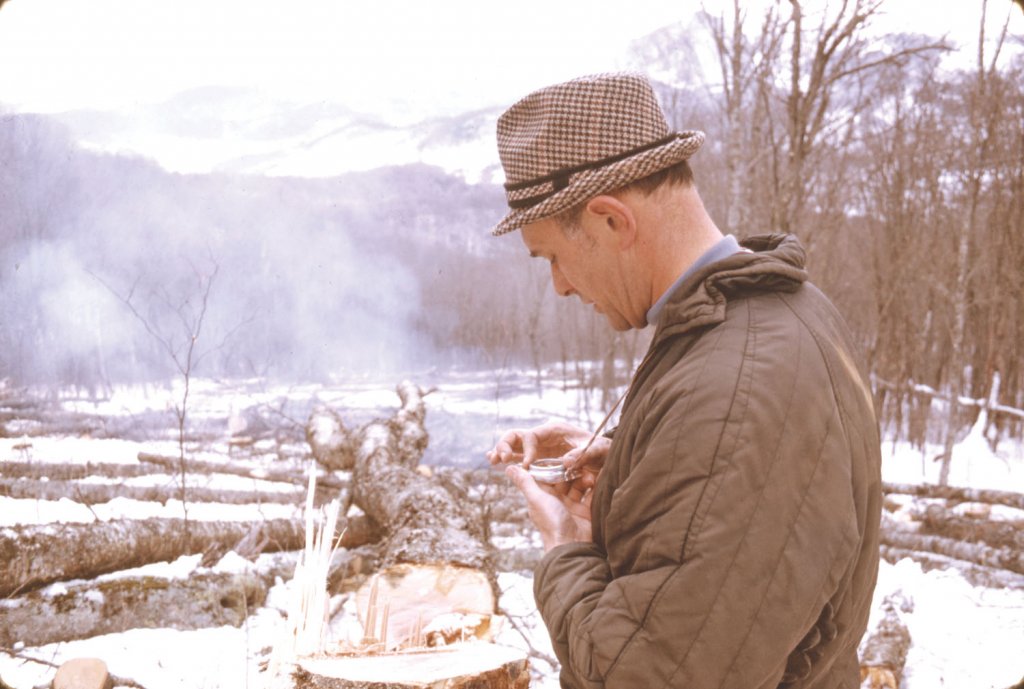
Sunbelt ski resorts never got much respect, especially from national media inclined to see them more as novelties than newsworthy. A perfect example of that snide approach happened near Maggie Valley in 1961, when ski pioneer Tom Alexander was about to open North Carolina’s first snowmaking-equipped ski area at his rustic Cataloochee Ranch.
As he prepared to welcome his first Christmas crowds, Alexander caught a photographer letting cattle onto the slopes from a nearby pasture in an attempt to create the ultimate embarrassing photo. Alexander evicted the guy. Decades of jokes about the “Banana Belt of Skiing” and “skiing on grits” were just starting.
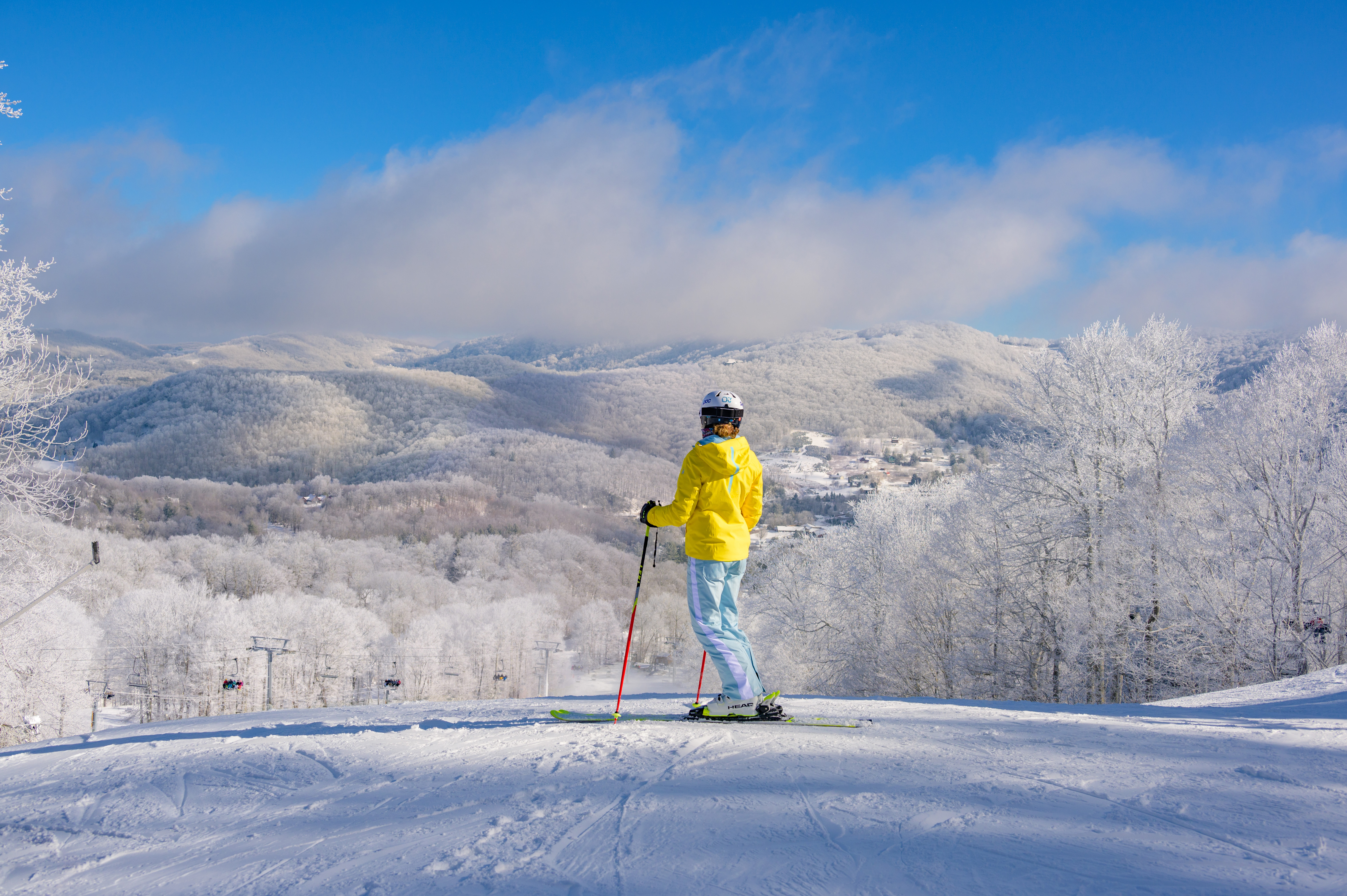
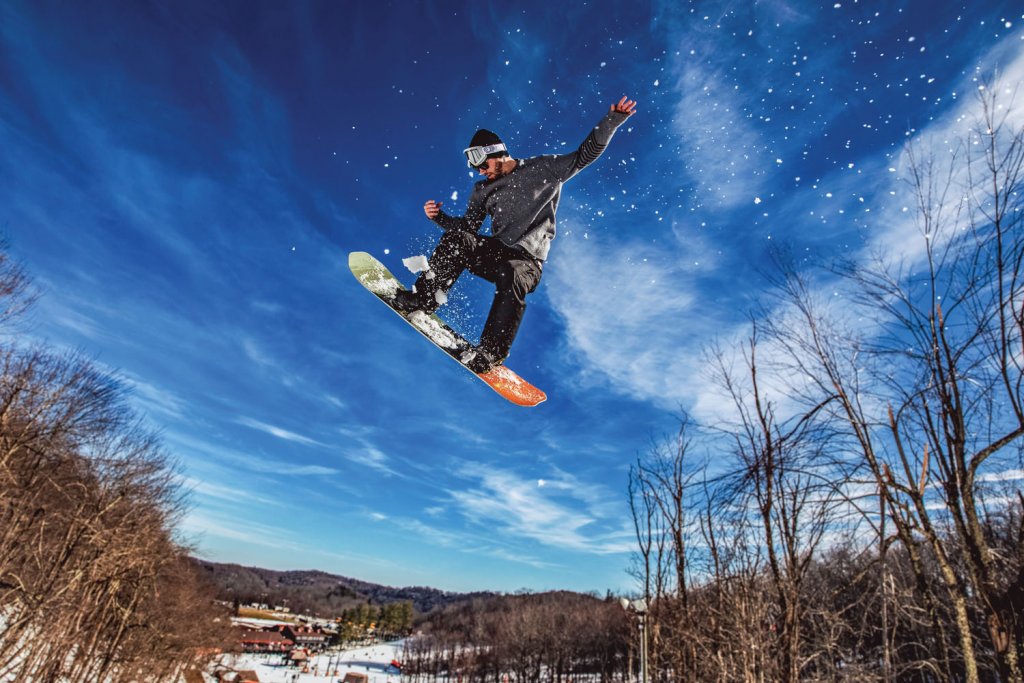
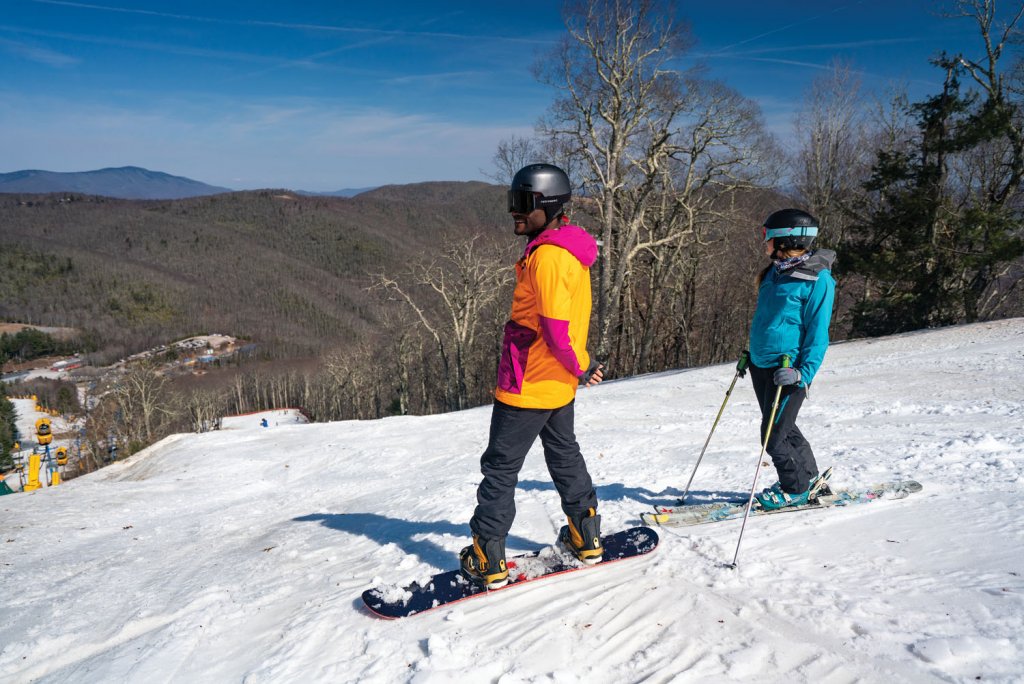
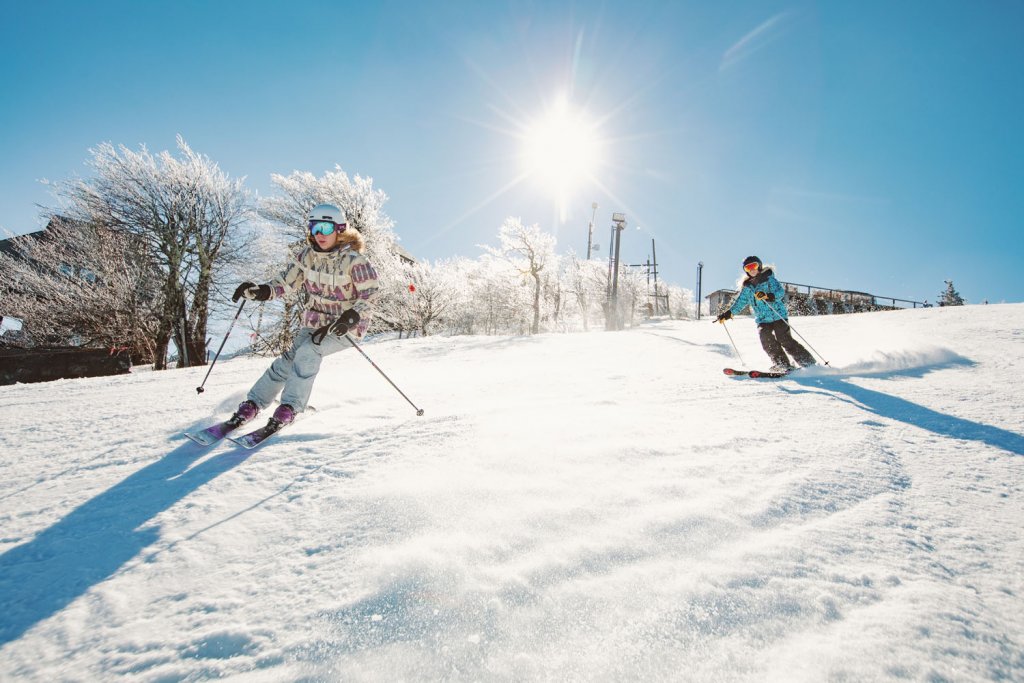
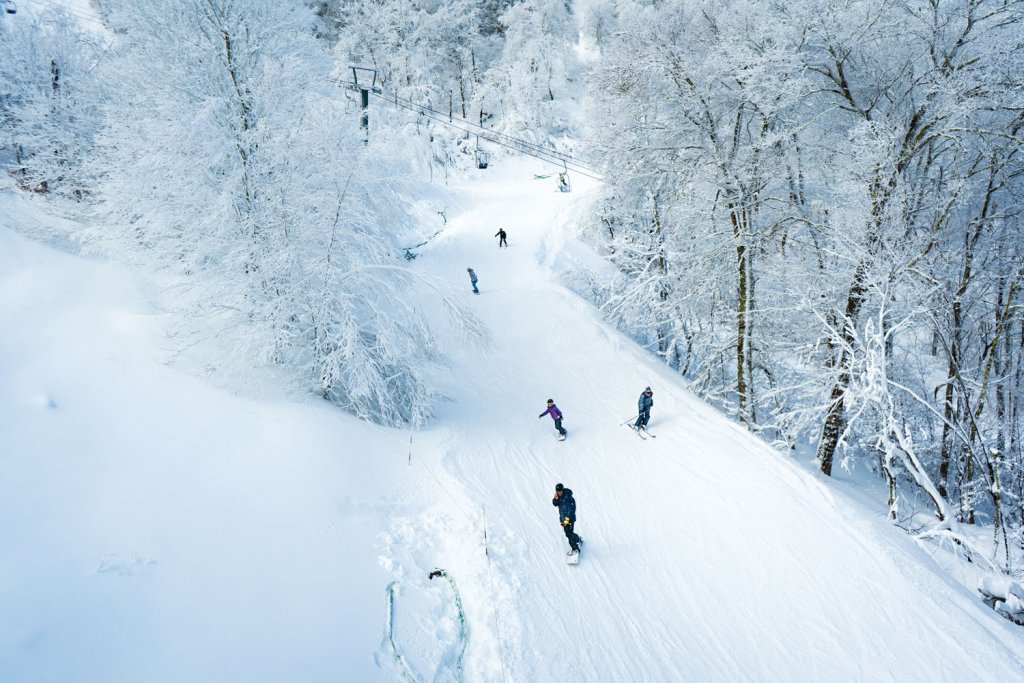
Sixty-five years later, Cataloochee is still skiing and the joke’s on that clueless photographer. Sophisticated snowmaking and aggressive annual improvements have made WNC’s six ski areas and the region a reliable, increasingly attractive place to learn to ski and actually live a skiing lifestyle.
Snow History
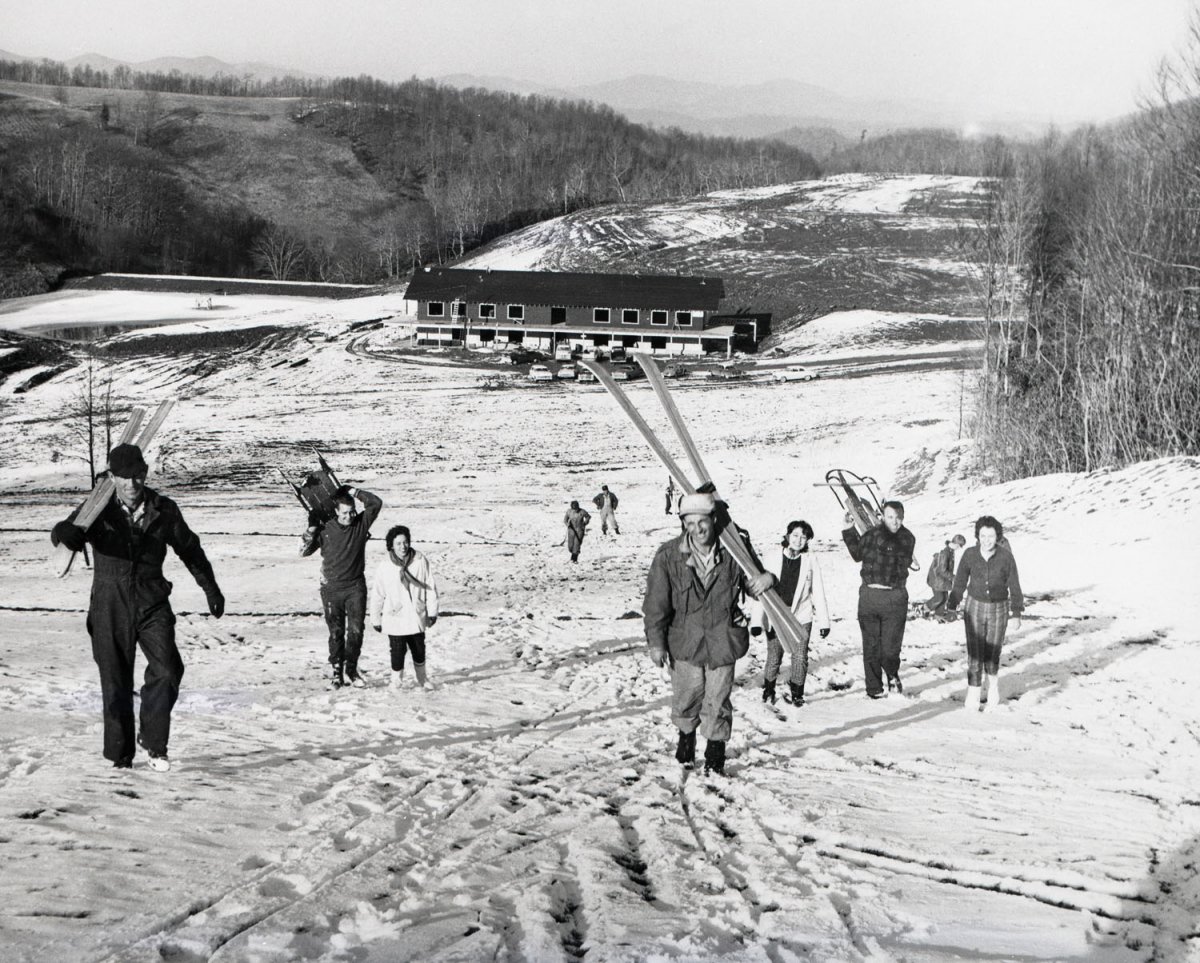
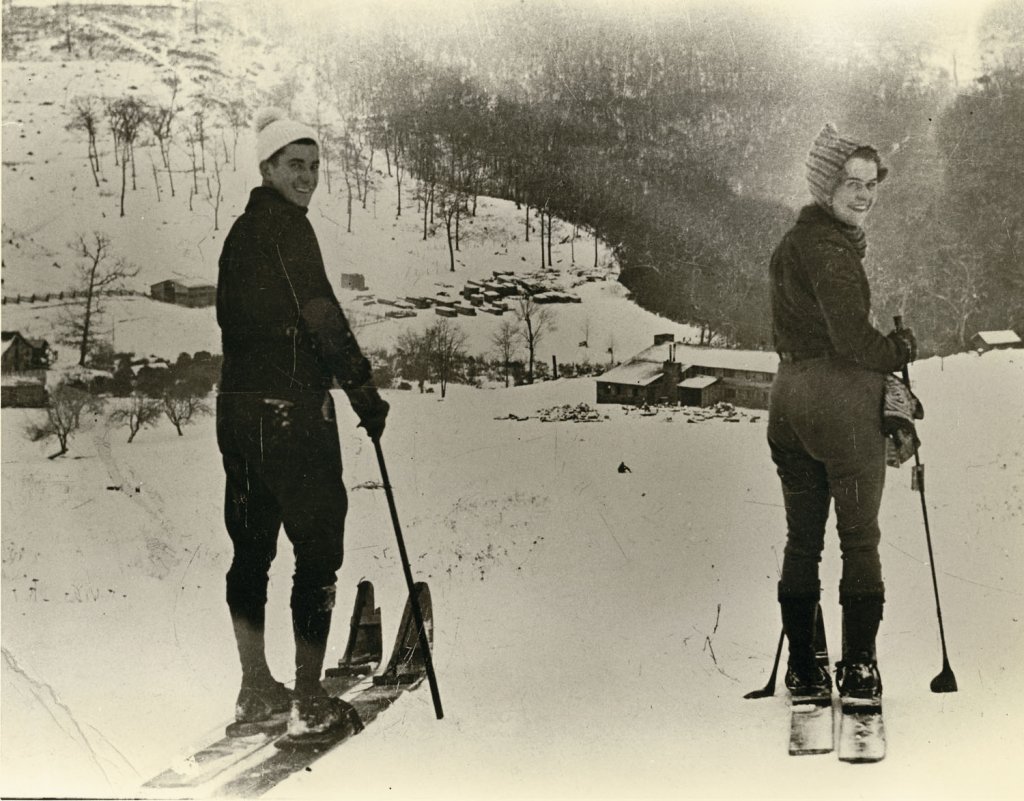
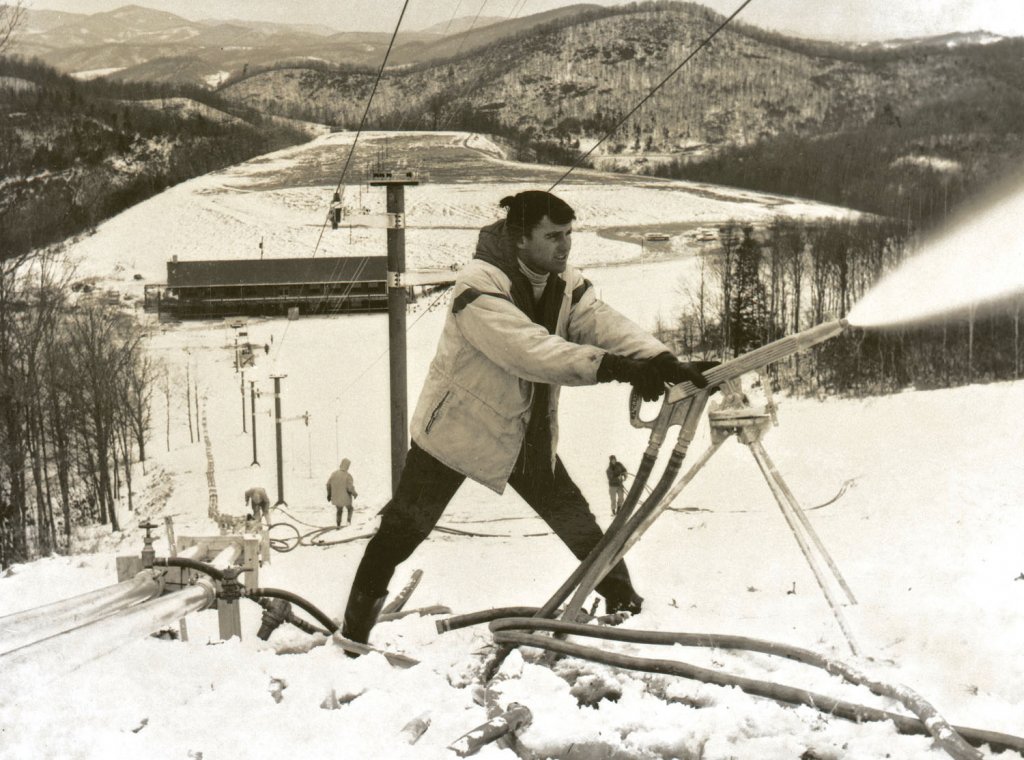
Skiing’s early days were a romantic era, in New England and a few snowy spots in the South. But when the region’s first “100% snowmaking” ski area opened in 1959 at The Homestead resort in Virginia, the first intended to function solely on machine-made snow, primitive “snow guns” were rare—and downright sketchy.
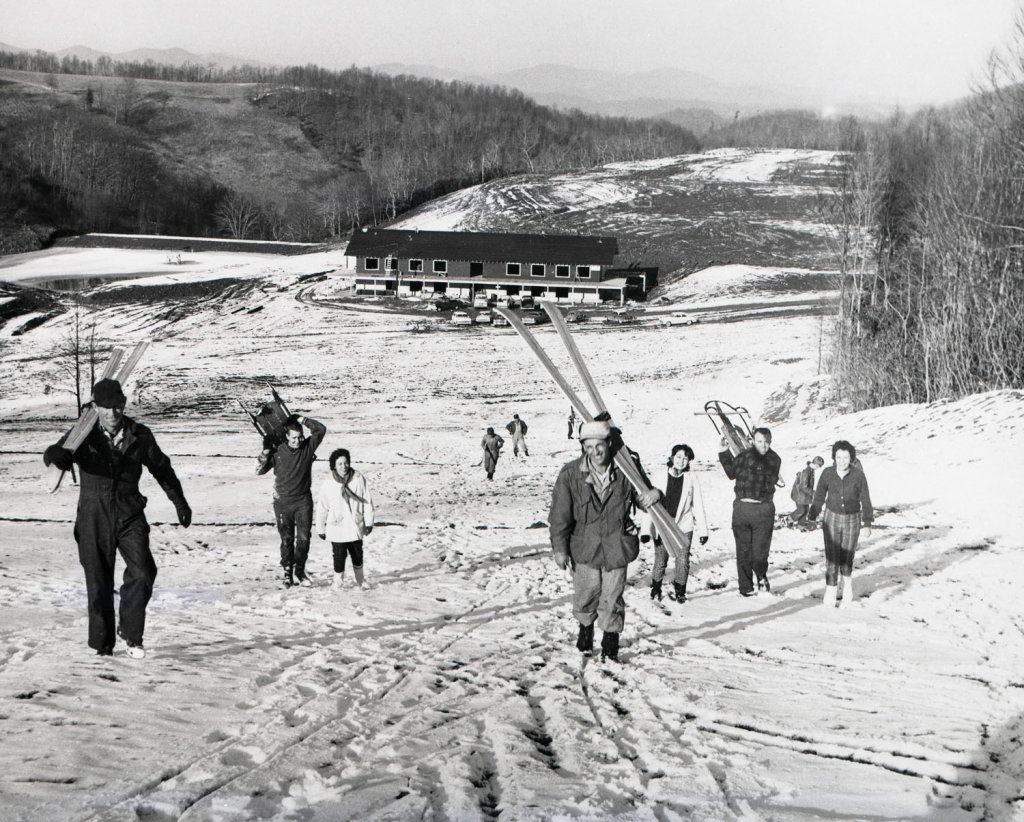
People who knew how to make snow and run a ski area were scarce back then too, but European immigrant ski pros came to the rescue all over the United States. In 1962, when Blowing Rock Ski Lodge (today’s Appalachian Ski Mtn.) was underway as NC’s second ski area, Austrian Tony Krasovic came south to save the day. “I didn’t realize till I got here,” said Krasovic, “that all they had was a parking lot!”
Krasovic—and a lot of locals—stuck with it, and like a lot of suave Euros, ended up being the critical first corps of ski instructors teaching Americans how to ski. For decades, the Homestead’s Austrian ski pioneer Sepp Kober, now crowned “the Father of Southern Skiing,” annually imported all his ski instructors from the home country.
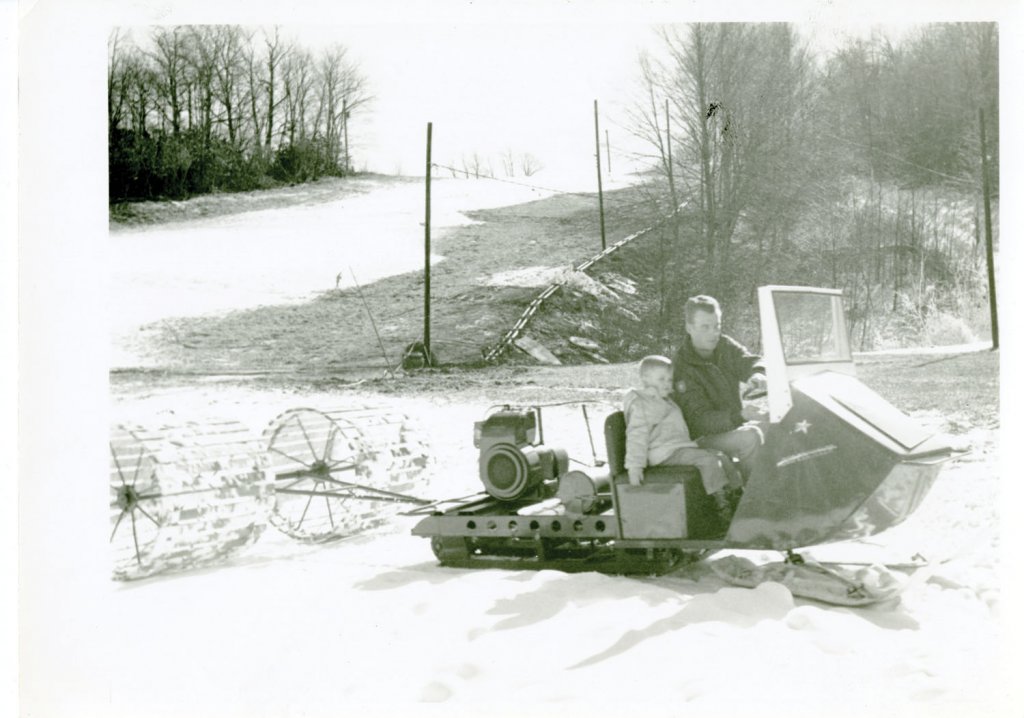
Even with expert ski instruction, the snow was routinely bad. Groomed slopes, the smooth, snowy surface delivered today by tank-tread-supported snowcats were nowhere to be found.
There was more to these “bad old days” than most skiers can imagine now. Tourists went to the mountains in the summer, if at all, leaving winter to the folks who lived there. Motels and restaurants were a rarity, as were jobs for locals unless they and the kids worked on farms or in family stores. Blowing Rock didn’t even have a motel.
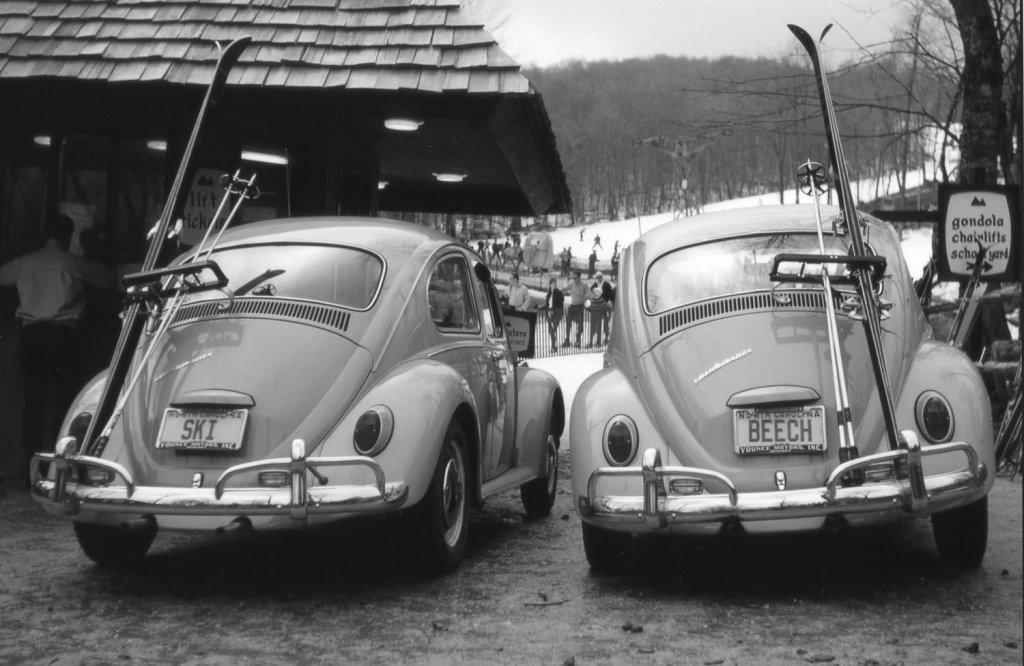
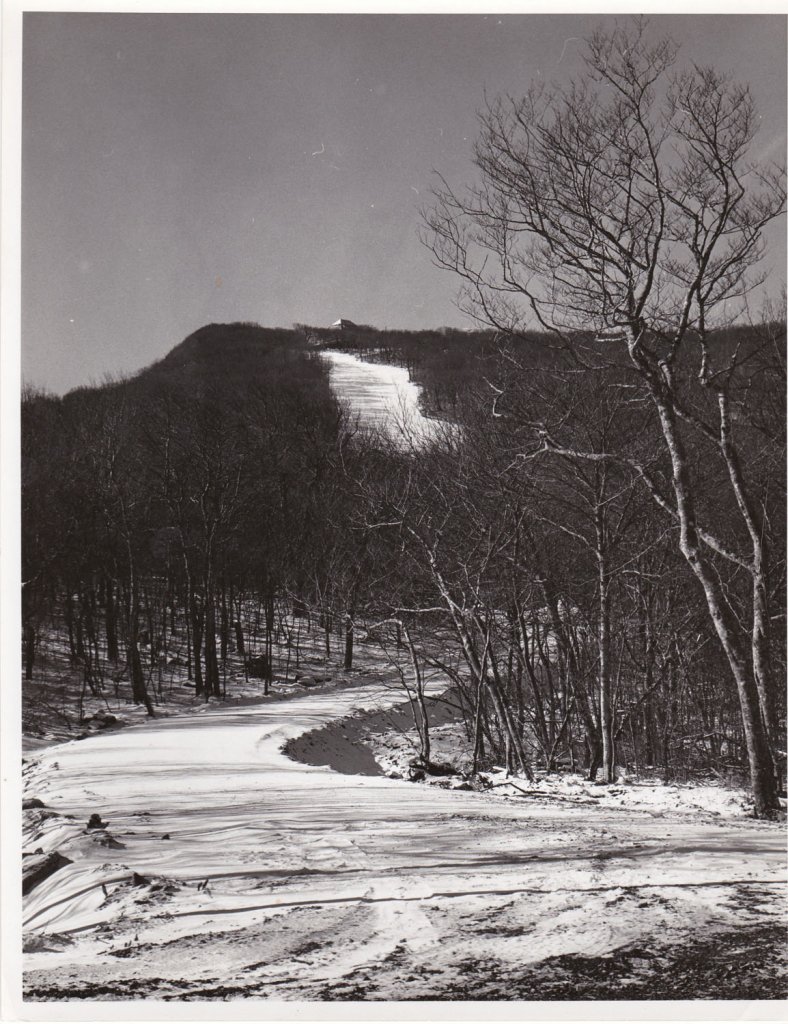
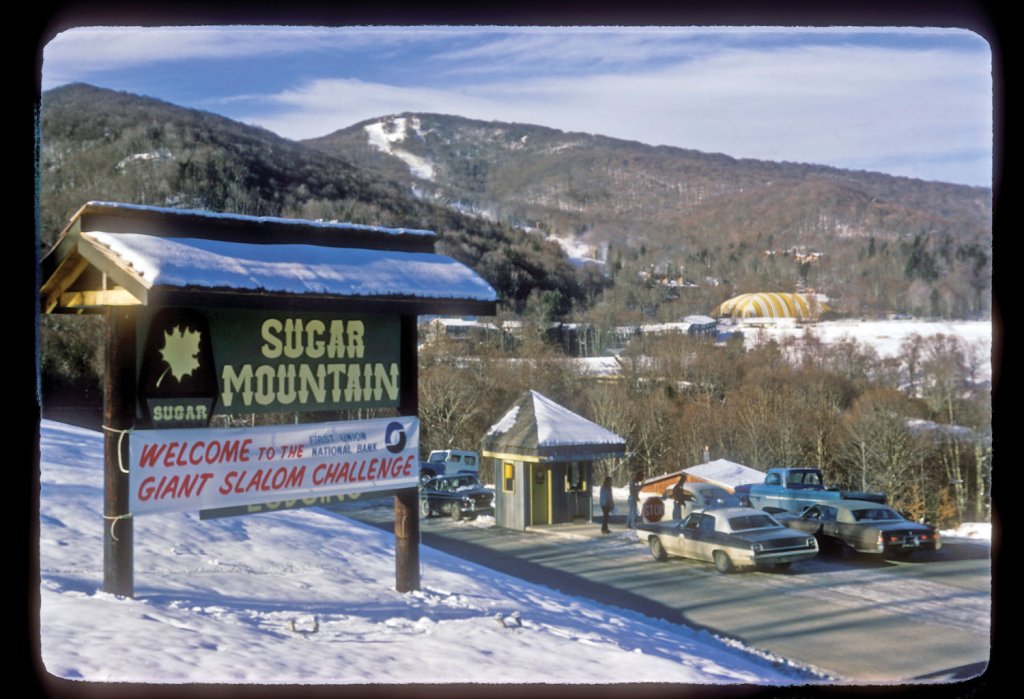
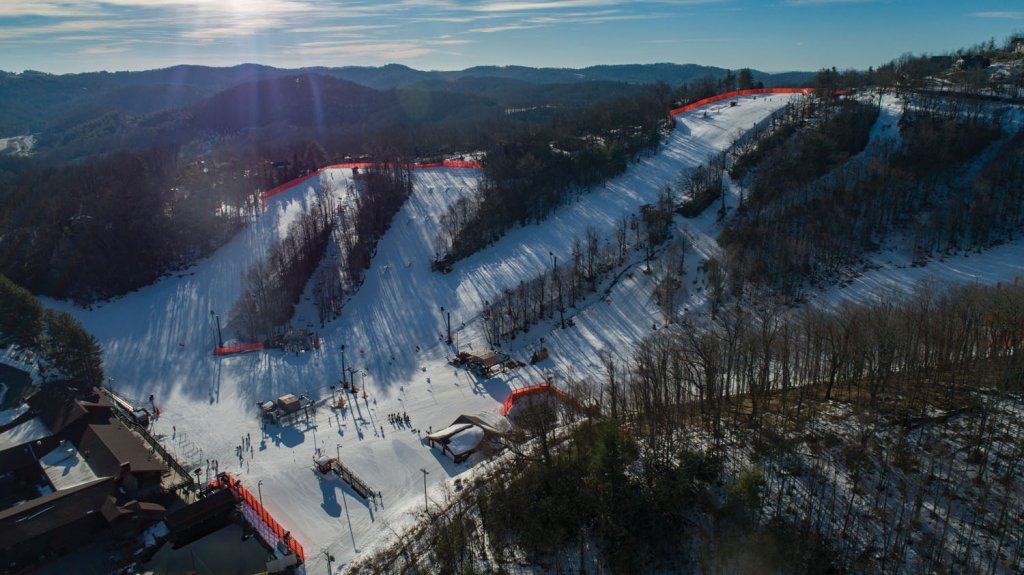
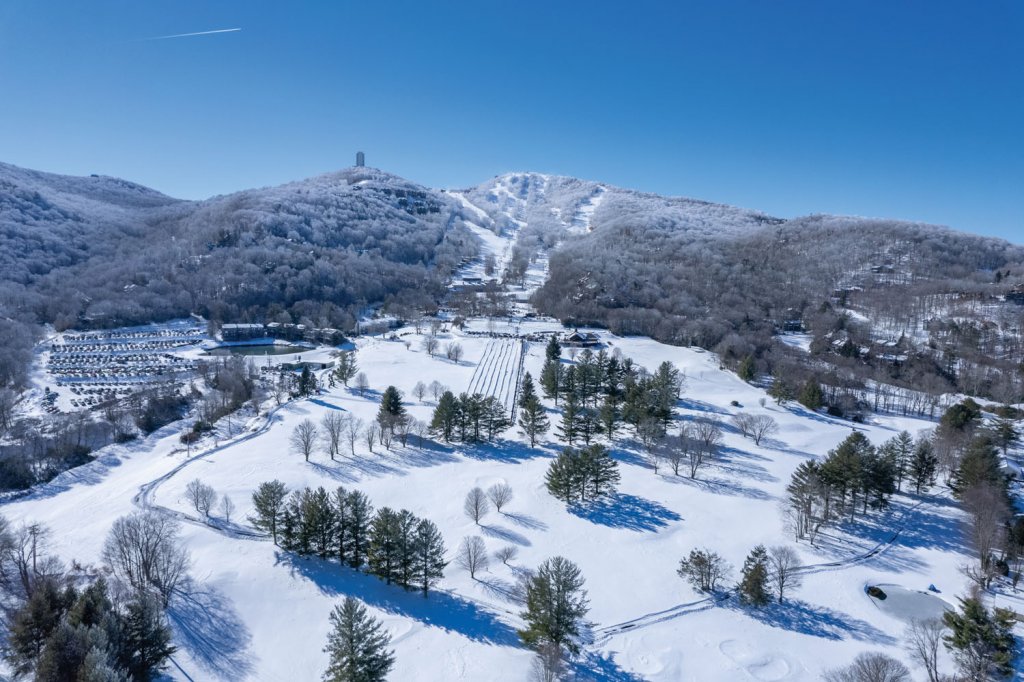
By the late-1960s, Blowing Rock Ski Lodge had become a stable business under the ownership of early stockholder Grady Moretz, who changed the name to Appalachian Ski Mtn. At that time, a number of other ski areas dotted the lofty mountains of Avery and Watauga counties, today nicknamed “The High Country.” Tiny Hound Ears ski area opened in 1964 (with the state’s first chairlift), with nearby Mill Ridge in 1974. Then came the state’s still-reigning mega-slopes, Beech Mountain Resort in 1968 and Sugar Mountain Resort in 1969. Both top mile-high summits flanking Banner Elk. Today Sugar has the state’s most ski acreage, and Beech is the highest ski area and town in Eastern America (5,506 feet).
Downhill Slide?
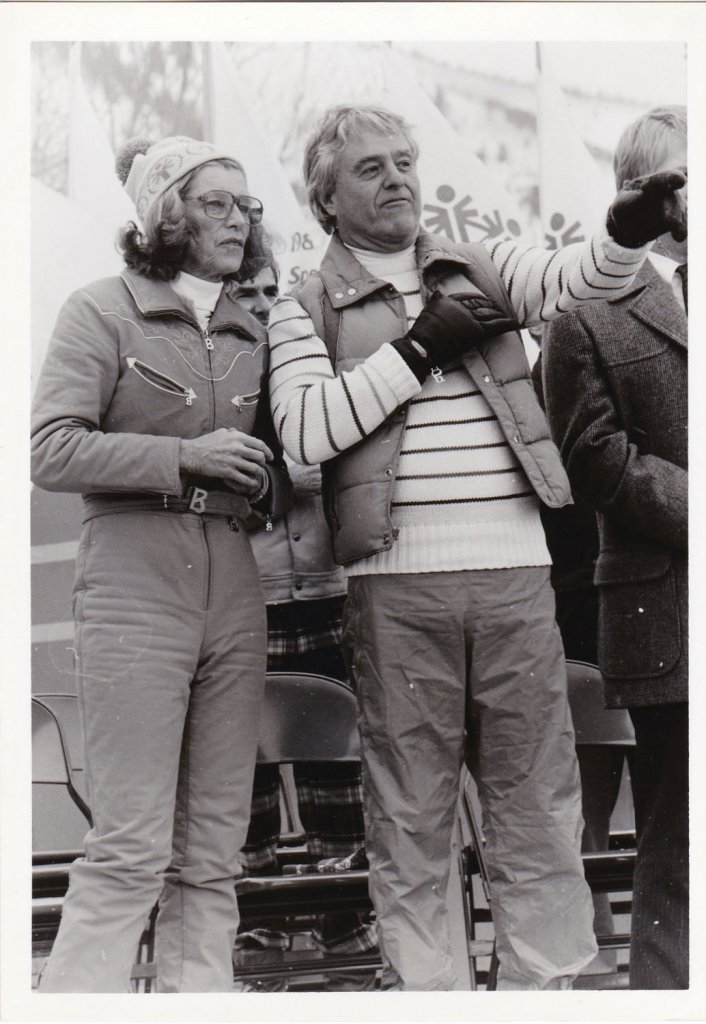
Skiing was drawing crowds and headlines, and former governor and future senator Terry Sanford wanted to see what the excitement was all about. An acquaintance of Sanford’s named Jack Lester offered to teach him at Beech Mountain. Lester was a promotional genius with charisma, a shaved head and flair for the dramatic who at some point had met Clif Taylor, originator of the famous short-ski teaching system called the Graduated Length Method (GLM).
Sanford was mastering the short skis when Austrian ski school director Willi Falger shouted Lester and Sanford off the slopes. Lester was not a ski area employee and he and his student were “poaching” Falger’s teaching terrain. Lester was mortified. He stomped off swearing that he’d prove Americans didn’t need European instructors.
The “College” that taught the South to Ski
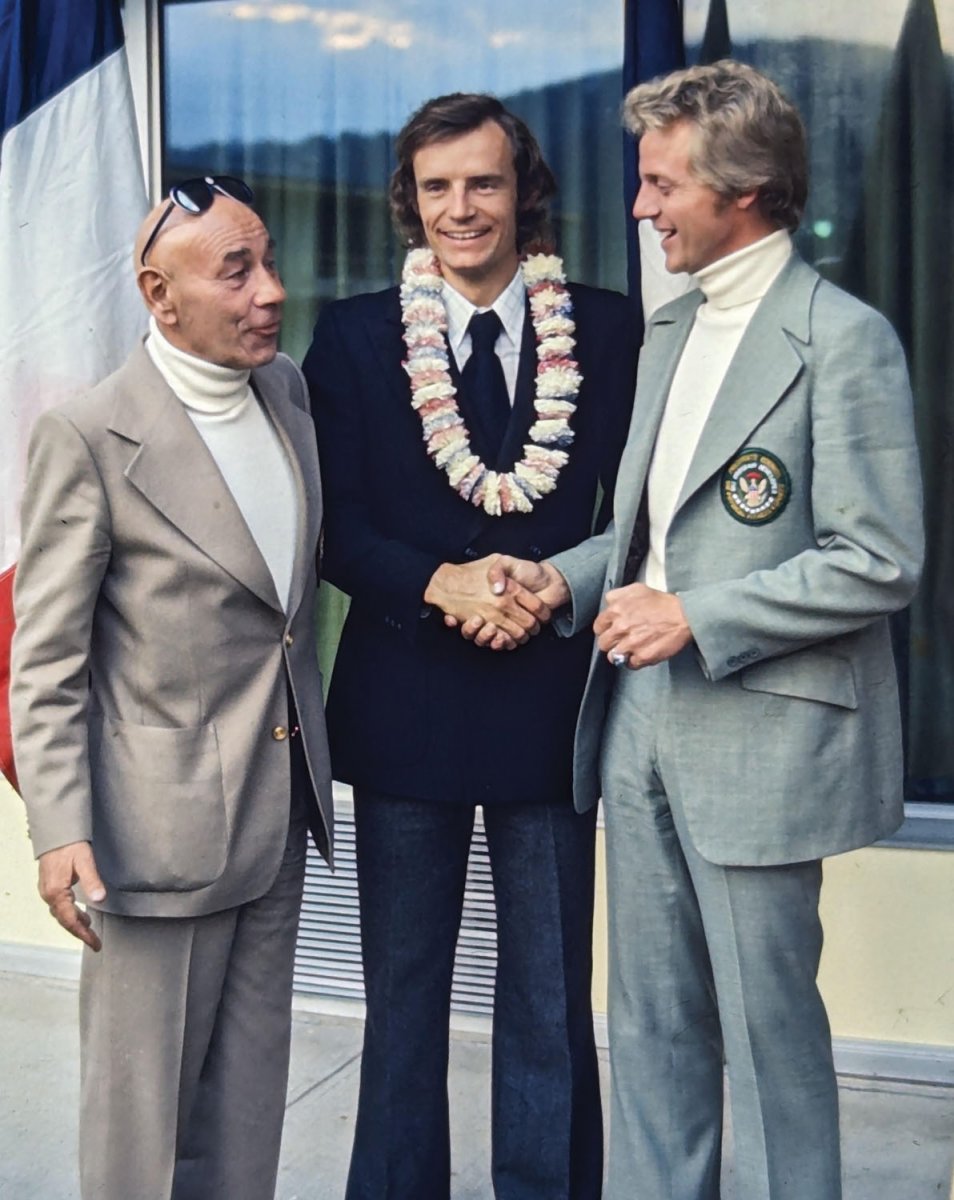
That started one of the ski industry’s most unusual stories. At about the same time, Boone native Jim Cottrell was attending Appalachian State Teachers College and he took a phys-ed class in skiing at Blowing Rock Ski Lodge, the only such program in the South. Later, he served on the ski patrol and taught skiing at the resort.
After earning a masters in business from App State, Cottrell was teaching at a community college in Charlotte when he bumped into Jack Lester at their apartment complex. The stage was set for one of the most outrageous enterprises in the history of skiing, and not just in North Carolina or the South. Cottrell and Lester would start their own ski school, and become an offbeat indicator of how far North Carolina skiing would go. Grady Moretz OK’ed their idea at Appalachian Ski Mtn., and the French-Swiss Ski College was born.
The duo pitched phys-ed ski classes to universities all over the South, and the response was electrifying—these guys had chutzpah. Then the Pentagon wanted to cut the accident rate for troops learning to ski in Europe, and for two winters Special Forces units were diverted from Bavaria to Western North Carolina. The “Ski College” eliminated casualties and awarded Green Beret Brigadier General Henry “Gunfighter” Emerson a “Doctorate in Skiology.”
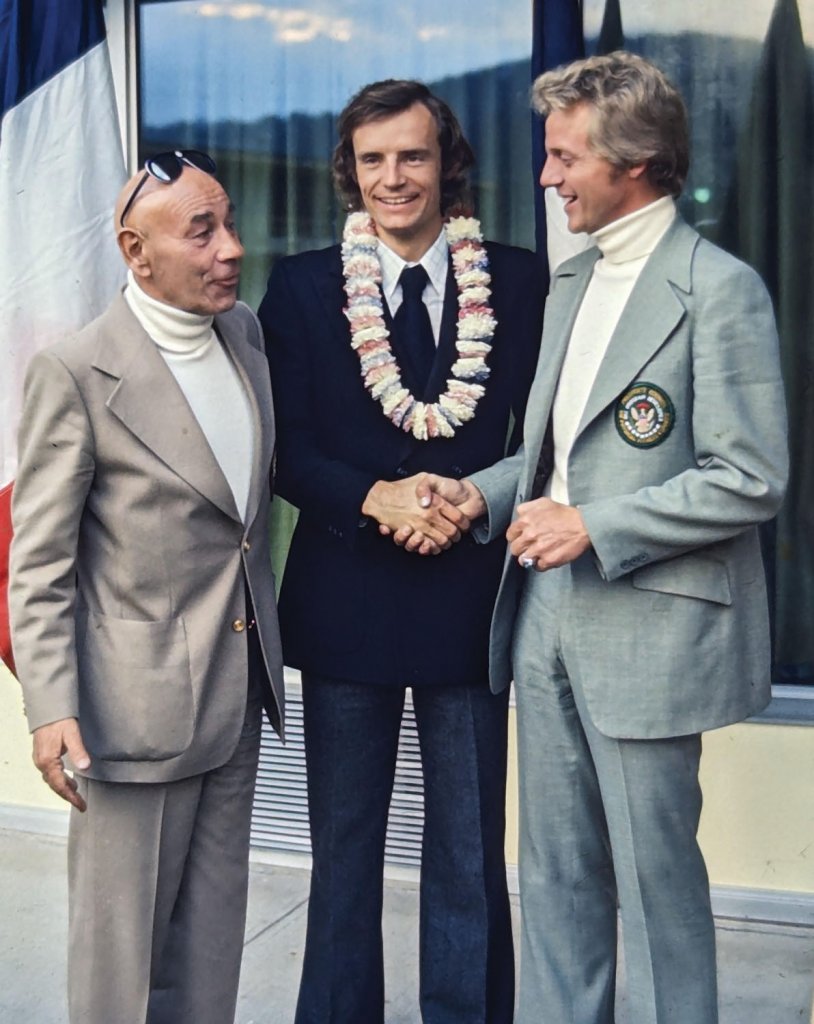
In 1971, French-Swiss organized a ski club for customers of Charlotte’s First Union National Bank, and Lester convinced the bank’s vice president C.C. Hope to underwrite a visit by the world’s most famous skier, Jean-Claude Killy, multi-Gold winner at the 1968 Grenoble Winter Olympics. Thanks to the recent birth of sports marketing, Killy agreed to appear in Charlotte when the bank christened Charlotte’s newest, tallest skyscraper.
Killy was repping Moet & Chandon Champagne and the bubbly flowed. Lester, Cottrell, and Killy hit it off, and a year later in 1972, during Boone’s classic southern ski festival The Snow Carnival of the South, Killy was back. Believe it or not, Boone hosted the national premiere of Killy’s first feature film Snow Job.
Killy, Cottrell and Lester—the latter resplendent in silk ski pants, fur boots and an eagle-embroidered sweater—were at the center of a major media event. Ultimately, Killy became an honorary director of French-Swiss, and Lester his manager. The next winter, five years after Killy’s epic Olympic medal sweep, he was back in Boone again, this time competing in a groundbreaking professional ski racing circuit that would become famous as Killy’s only post-Olympic professional championship. Killy launched that victory at Beech Mountain, a story featured in his book Comeback.
A Story You Couldn’t Make Up
The early 1970s also launched the French-Swiss Ski Revue, a decade of ski shows in shopping malls all over the South featuring exciting ski demos on a fake snow ramp. In 1974, French-Swiss joined the President’s Council on Physical Fitness and Sports, with Lester as the program’s national director and Cottrell developing the ski program. Appalachian Ski Mtn. awarded more of the program’s Alpine ski patches than any other resort in the country.
Lester died of a heart attack in the mid-70s, but Cottrell carried on, making one of the most important French-Swiss contributions to skiing through the Special Olympics. Cottrell got involved to help North Carolina’s Special Olympics team prepare for the first International Special Olympics Winter Games in 1977.
French-Swiss launched the Southeastern Winter Special Olympics in 1978, the first regional games in the nation. “It was a disaster,” Cottrell says. But through creative trial and error, he pioneered procedures that successfully brought ski racing and instruction to athletes with cognitive disabilities. By 1980, Special Olympics founder Eunice Kennedy Shriver “had heard what we were doing and came down to observe.” By then Cottrell had completed a coaches’ manual and operations manual for organizers—both of which still guide the national program today.
Before the next international winter games, Shriver invited Cottrell to a Director’s Conference where he wowed attendees with proven practices. Shriver invited Cottrell to head the Special Olympics winter program and move to Washington, DC, but, “I didn’t want to leave God’s country,” he says.
Since 1978, 47 Southeastern Winter Special Olympic Games have been held at Appalachian, and Cottrell has seen his “ski college” mesh with the Professional Ski Instructors of America (PSIA), the now homegrown local ski teaching movement that Jack Lester and French-Swiss set out to build.
The French-Swiss Ski College is a landmark tale on the way to success for North Carolina skiing. You couldn’t make it up if it wasn’t true. Cottrell became a top, nationally certified ski instructor. French-Swiss taught its one millionth lesson in 2005. It’s not a stretch to say there’s been a million more students by now. “We’ve come from virtually no skiers in this region to generations now,” Cottrell said in 2019 on the 50th anniversary of French-Swiss.
Boy, Have Times Changed
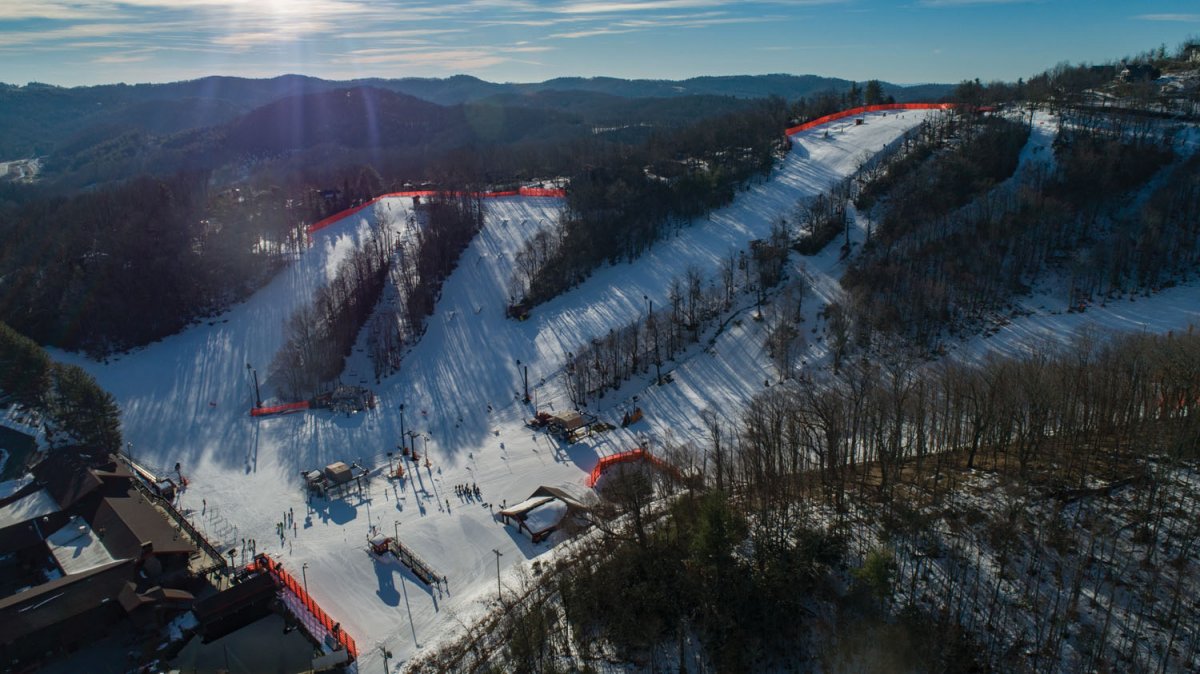
Skiing’s “bad old days” in North Carolina seem largely gone, or going (knock on wood). Nothing tells that tale like ski economic impact studies funded every few years by the NC Ski Areas Association. A number of factors suggest North Carolina’s ski industry is poised for further growth and stability, including that reinvestment in improvements at local resorts often exceeds the percentage of profits reinvested by nationally known resorts. That “healthy recipe for success,” says one recent study, means beaucoup bucks are being spent down South on snowmaking, essential “infrastructure that stabilizes the fluctuations inherent in any weather-dependent business.”
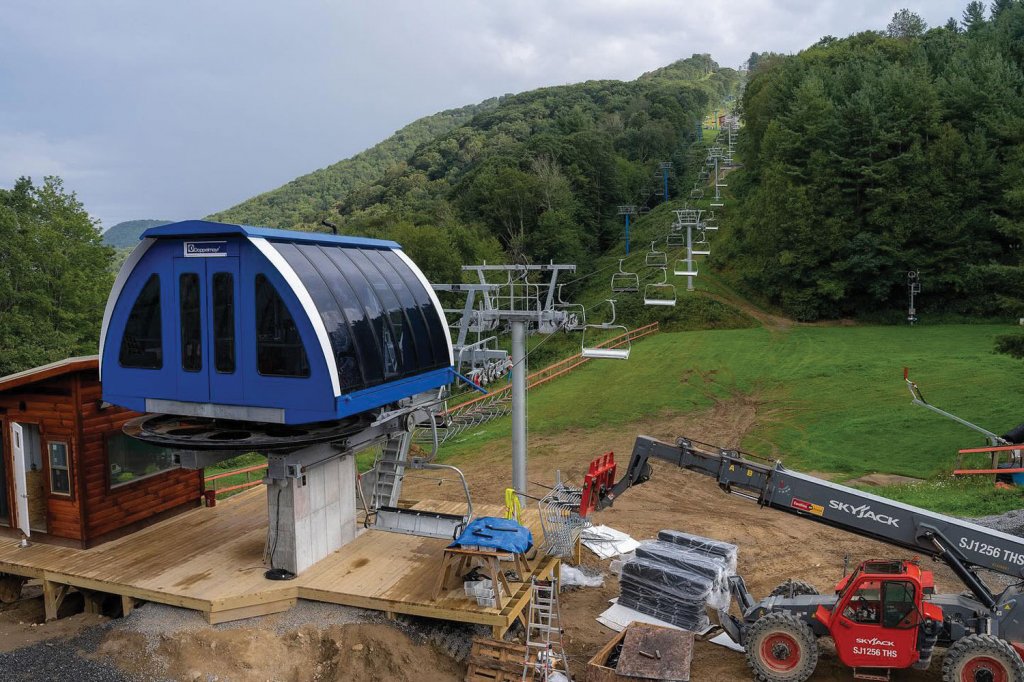
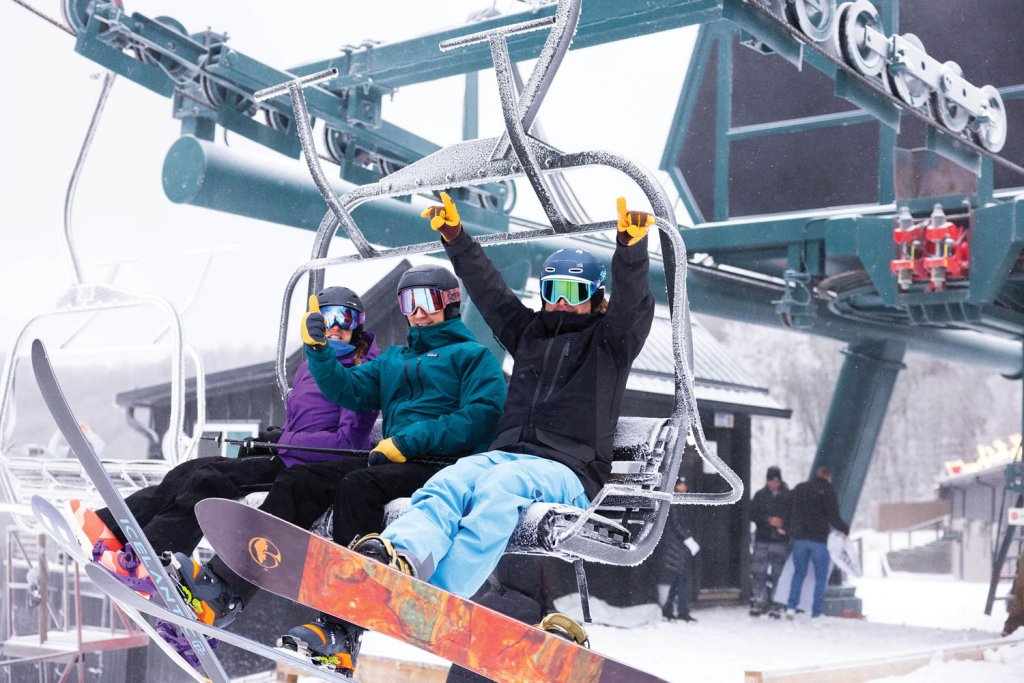
This winter, Cataloochee christens a major new chairlift, a $4 million Doppelmayr Alpenstar four-person or “quad” lift, that Sarah Worrell, the resort’s director of marketing and public relations, says is “the largest single capital improvement in Cataloochee’s history.”
Hatley Pointe, formerly the faltering Wolf Laurel ski area near Mars Hill, has successfully relaunched over the last few years as a boutique ski area. The resort reopened last winter after a complete makeover that included an upscale new lodge, main (triple) chairlift, expanded snowmaking, and regraded, enlarged slopes. Last summer, Hatley Pointe started installing a major mountain bike park, joining Sugar and Beech Mountain as ski areas with mountain biking programs.
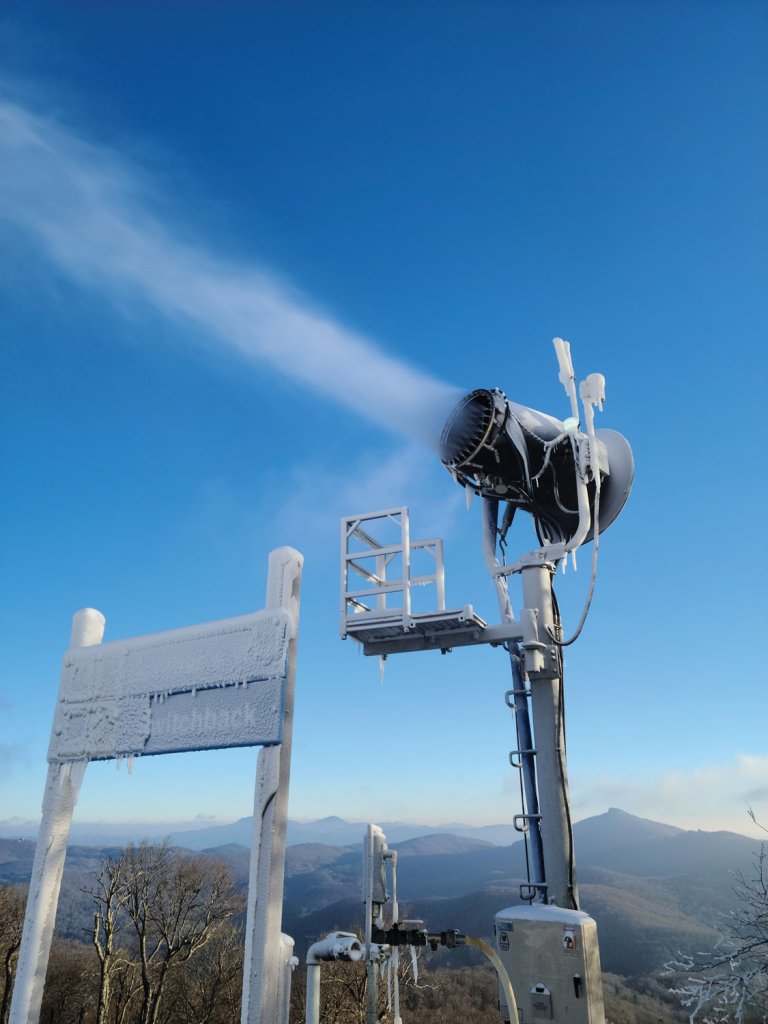
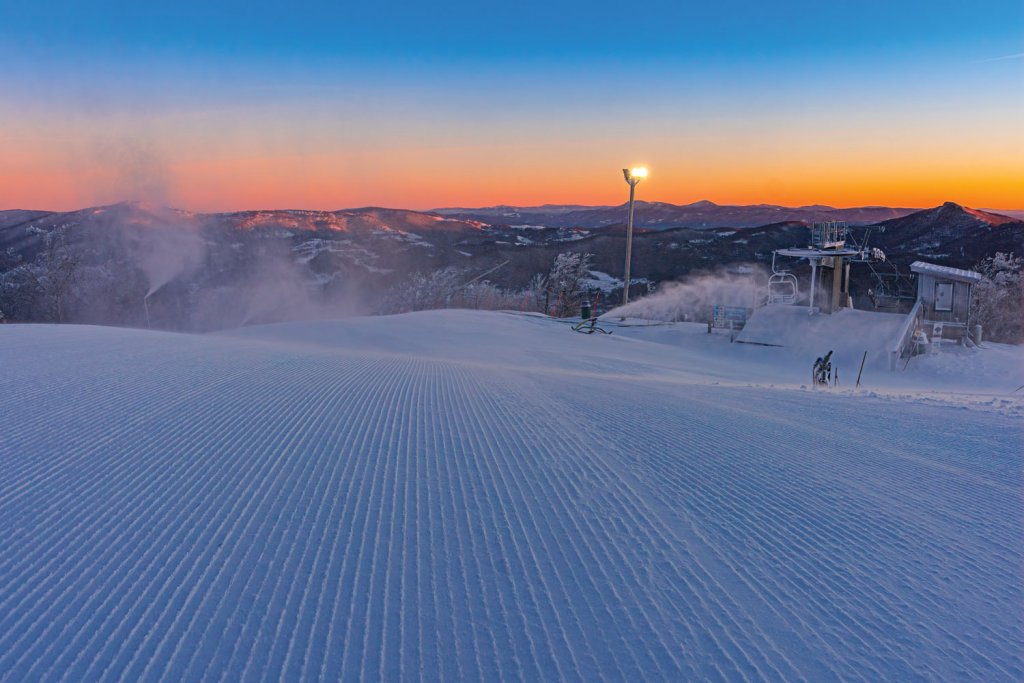
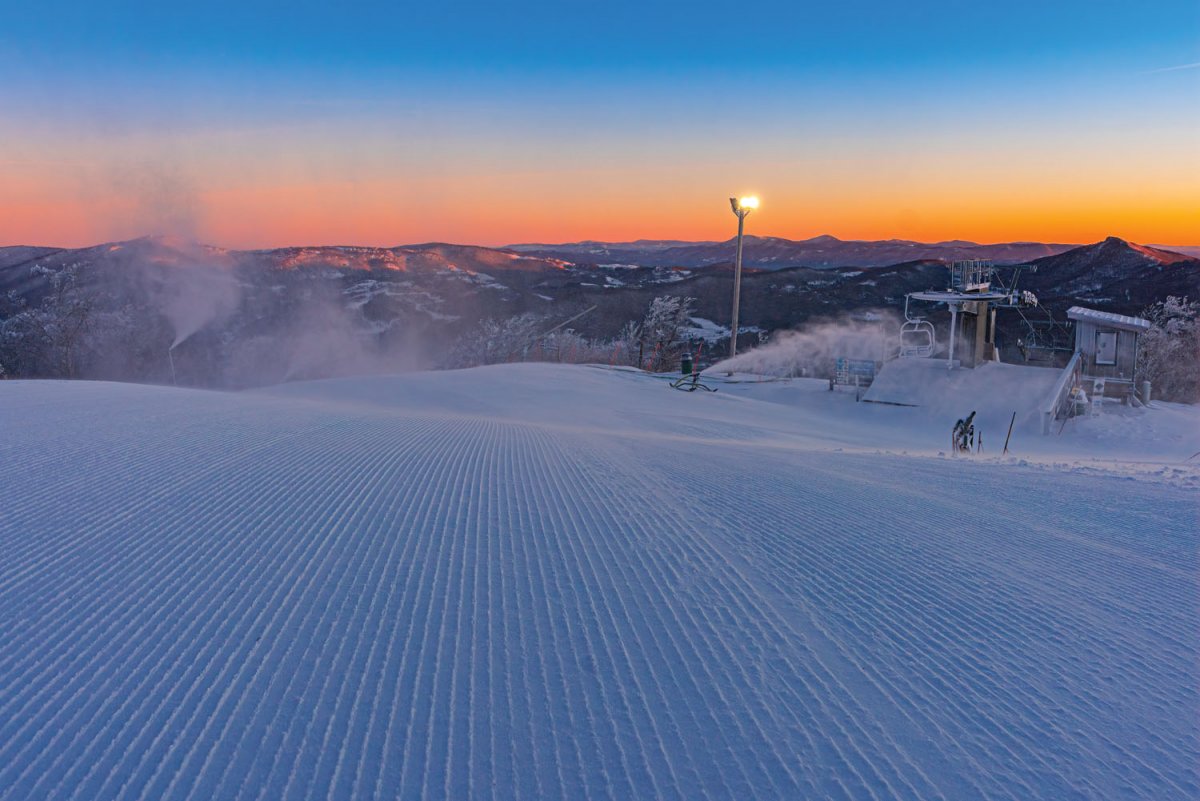
It used to be that snowmaking “guns” were laughable affairs dragged around the slopes by frozen people who took days to cover one slope, much less an entire mountain. Making maximum snow in fluctuating temperatures and humidity was more art than science. But today, high-tech, forced air fan guns are often permanently mounted on towers every so many feet along a slope. These remotely-controlled and computerized cannons precisely match changing weather conditions all over a ski area, and the result is ease of operation and truly superior snow. Factor in the accuracy of modern weather forecasts, resort web cams that let skiers see weather, slope, and even road conditions, and it’s never been more foolproof to know when, and where, to ski in North Carolina.
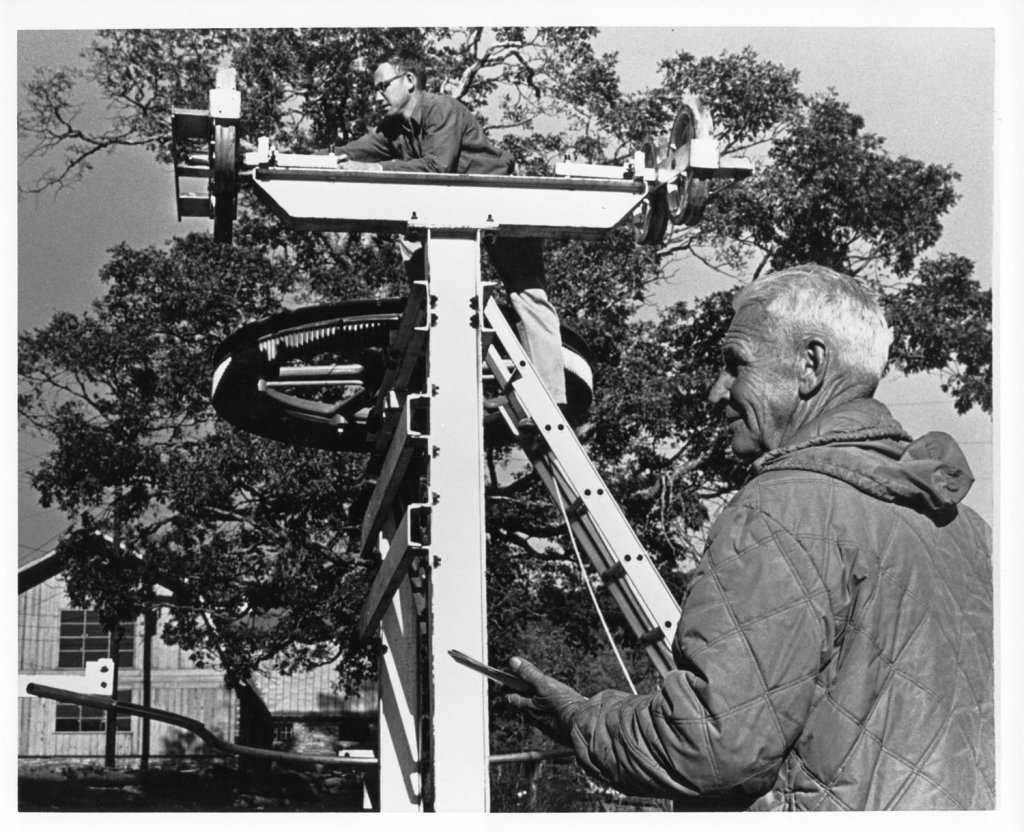
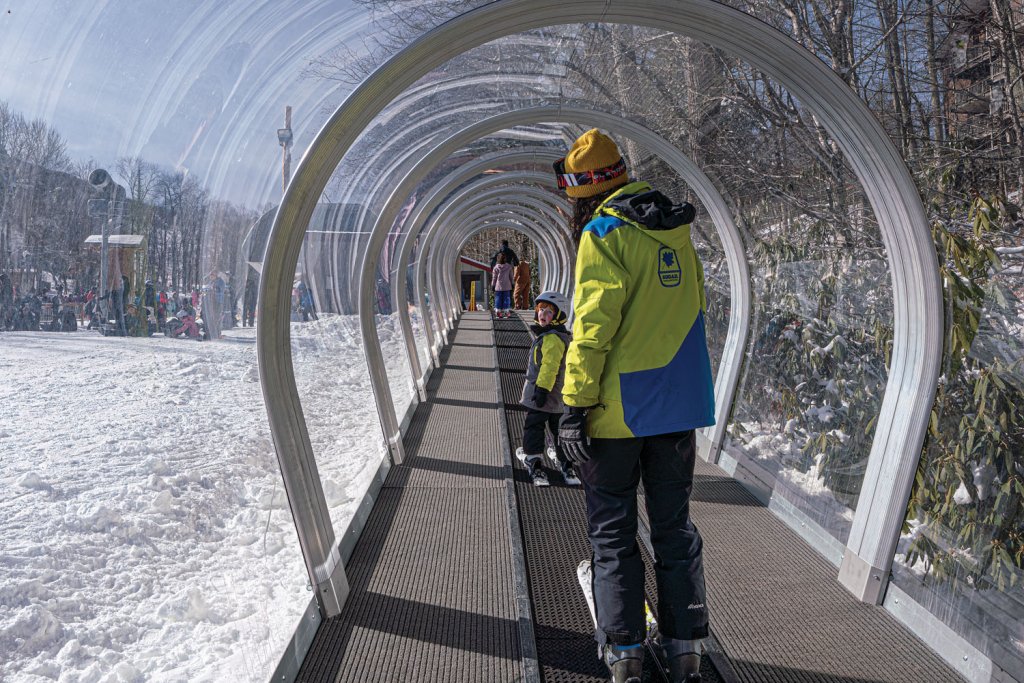
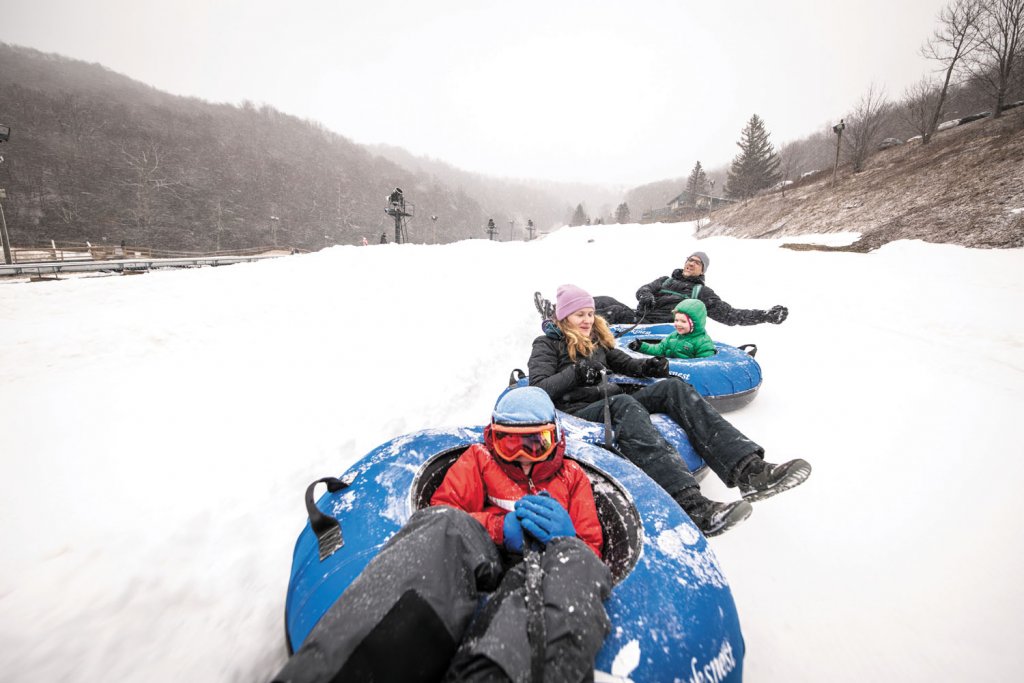
Even using a ski lift has morphed from arduous to easy. If you don’t remember grabbing a spinning reel of rope to be towed up a slope, you’re lucky. Rope tows used to strike terror and ruin gloves. Today, nearly-level escalators—called magic carpet lifts—glide beginners up baby slopes (some are covered against the elements). Sapphire Valley Ski Area has a new magic carpet lift for this winter. The carpets also haul non-skiers up the snow tubing parks found at many ski areas, and at the state’s massive dedicated tubing resort, Hawksnest Snow Tubing near Boone.
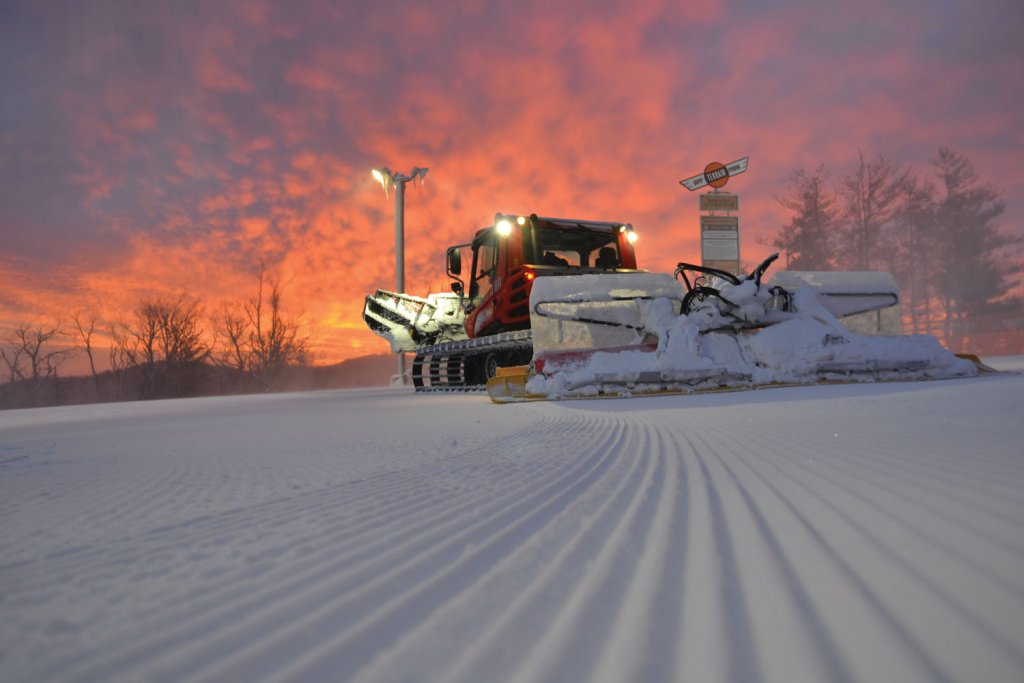
Remember moguls? Those car-sized mounds of ice shaped by skidding skis and snowboards? They’re gone, flattened smooth by space-age snowcats on North Carolina’s steepest expert runs, like double black diamond Whoop-De-Do at Sugar Mountain. Now, they’re nicely smooth thanks to specialized “Winch Cats,” high-tech grooming machines that defy gravity and the steepest terrain using a winch mechanism to safely climb a cable attached at the top of a slope.
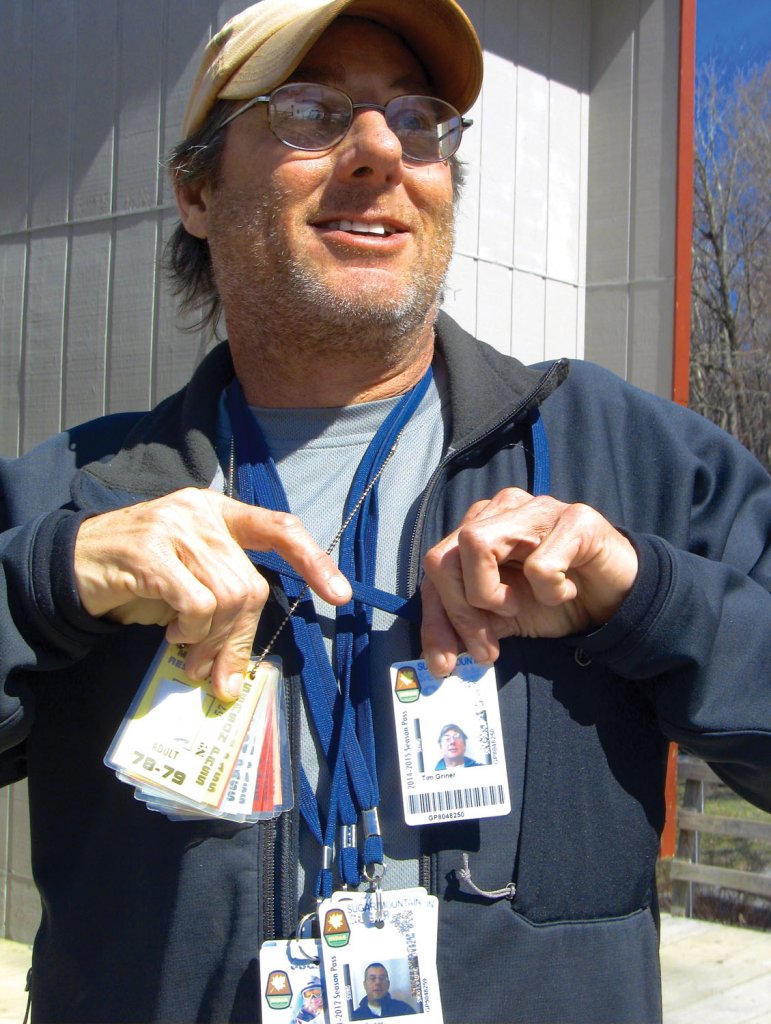
Sugar Mountain owner Gunther Jochl has led the way on slope grooming. Sugar has a few winch cats, and with scrupulous grooming twice a day, the snow regularly returns to that velvety-grooved, easily skied surface. Tubing runs need grooming too; Sapphire Valley gets a new tubing groomer this year.
Many slopes now offer online sales of lift tickets (plus snow tubing tickets and ice skating passes at a number of WNC’s ski resort ice rinks). Your pass is loaded onto digital cards that are scanned automatically when you walk or slide up to the lift.
New high tech rental skis are easier to use, and learn on, for experts and never-evers. Local lessons are taught by instructors as highly skilled and fully certified by national snowsports organizations as you’ll find anywhere. Many have teaching experience elsewhere in the country.
Best of all, thanks to those local “reinvestments,” infrastructure advances increasingly accrue as annual improvements. That includes widened slopes at Sugar and Cataloochee. The upgrades often include better, high-tech slope lighting for night skiing, again this winter, on Northridge Trail at Sugar.
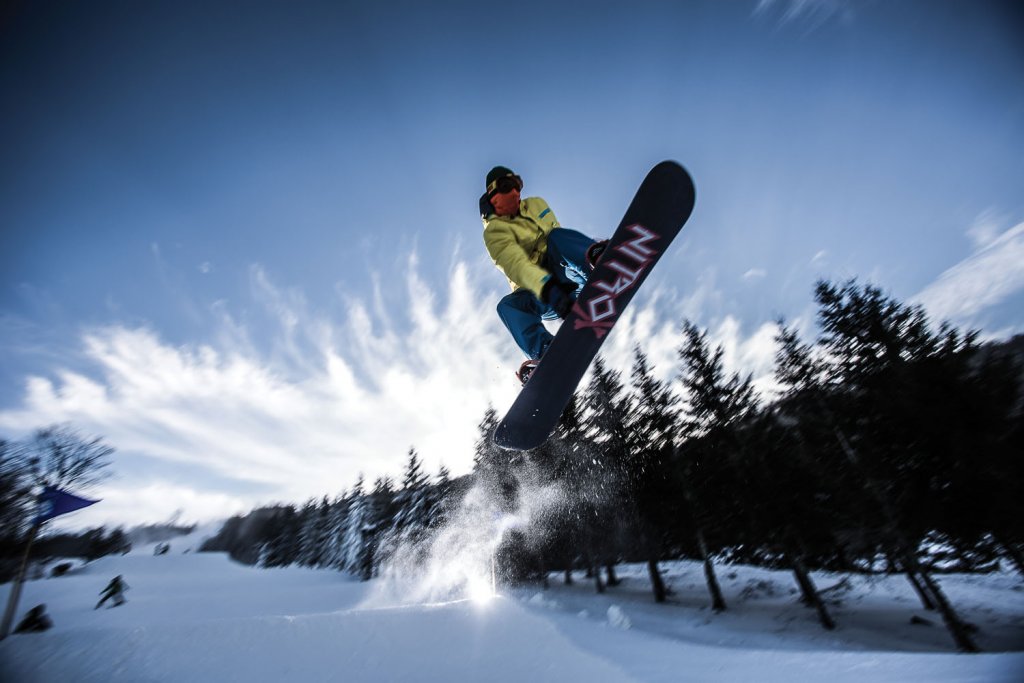
All of the above has cultivated a cadre of lifelong skiers who call North Carolina home. Our mountains and nearby cities and towns are home to decades-long season pass holders at local slopes. Research shows the folks who most often frequent North Carolina account for 10% or more of the state’s skiers (some of them local or nearby school kids who flock to the slopes on “snow days”). One of those, Appalachian Ski Mtn. snowboarder Luke Winklemann is now on the US Snowboard Team. Back in 2013, Alex Biggs, a snowboarder who called slopes at Cataloochee and Sapphire Valley home, won Silver in the national NASTAR races held in Colorado.
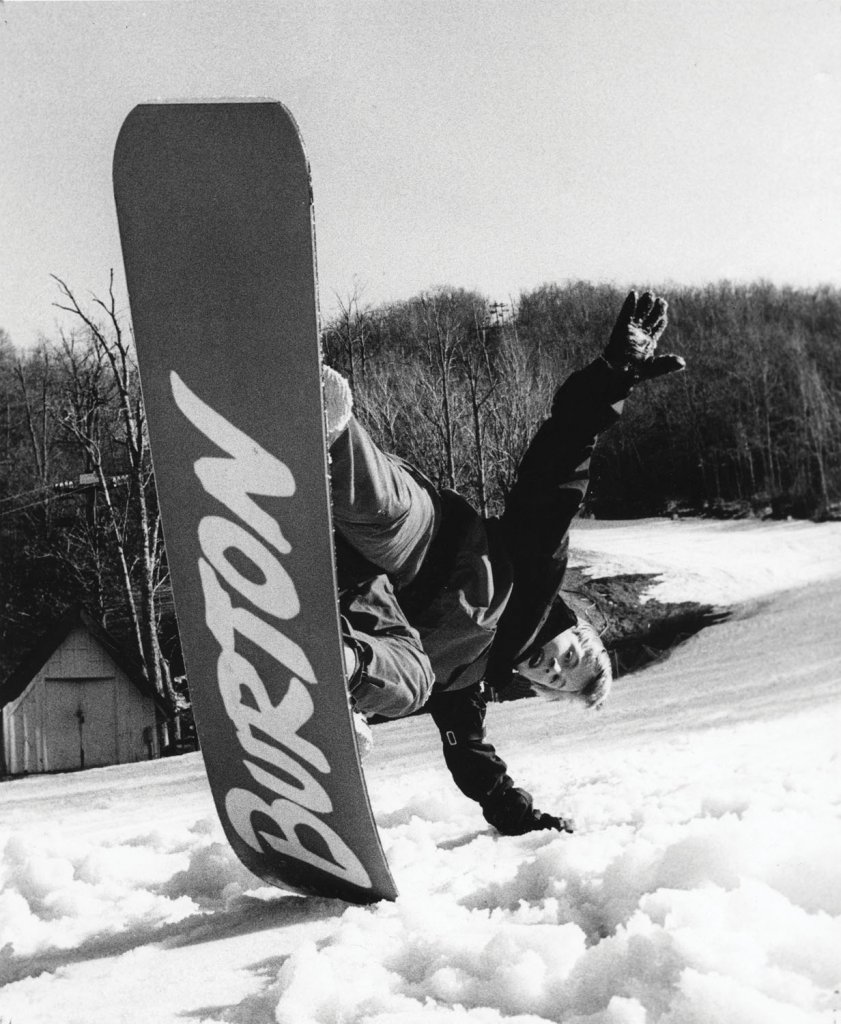
Both had a good example to follow. During snowboarding’s 1980s birth, when many resorts didn’t even permit it (including Appalachian Ski Mtn.), 16-year-old Banner Elk talent J.J. Collier was among the first. He sparked a family road trip to Stratton Mountain, Vermont in 1988 to compete in one of the first US Open Snowboard Competitions.
At the race, Collier rode a brand new 1989 Burton snowboard he’d won a few days earlier at Ski Hawksnest, donated by Burton owner Jake Burton Carpenter to encourage Southern boarding. Collier came out of nowhere (yes, North Carolina) to win the Jr. Moguls Competition in a field of 67 riders from all over the country—and he did it on a board unavailable to the public. Carpenter was amazed!
Collier went on to a pro snowboarding career, then started designing clothes. When Miss North Carolina 1997 Michelle Warner made news in one of his gowns, he went on to a career at the top of the fashion industry, designing outdoor and slope gear for Salomon in France, then Ralph Lauren’s technical line, eventually for Spyder, then his own company—proving that the Southern Appalachians can inspire a global snowboarding lifestyle, and even the world-class clothing that makes it possible.
Lees-McRae College
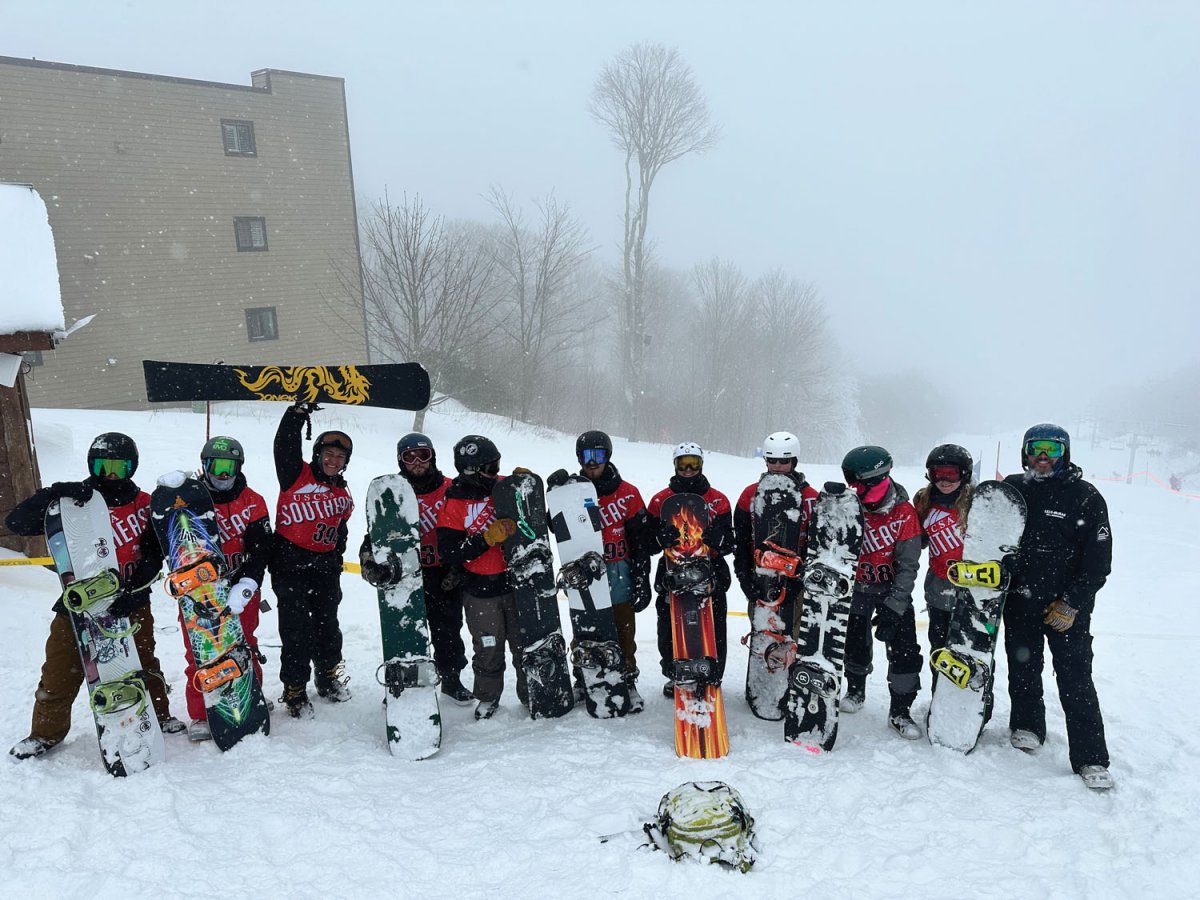
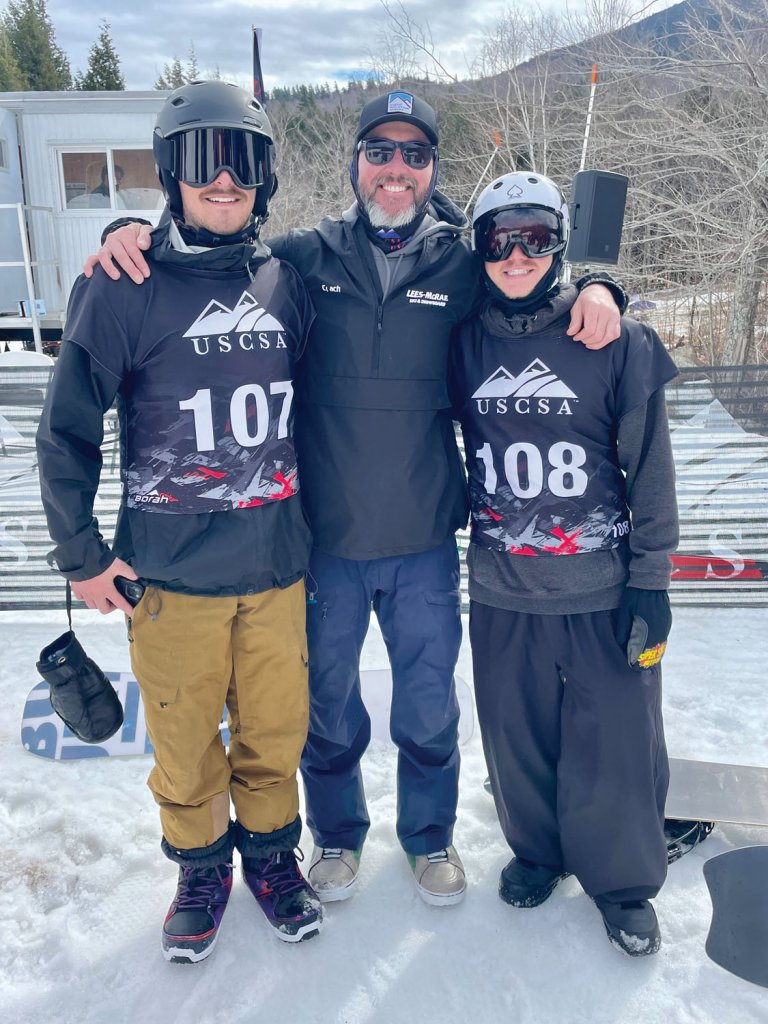
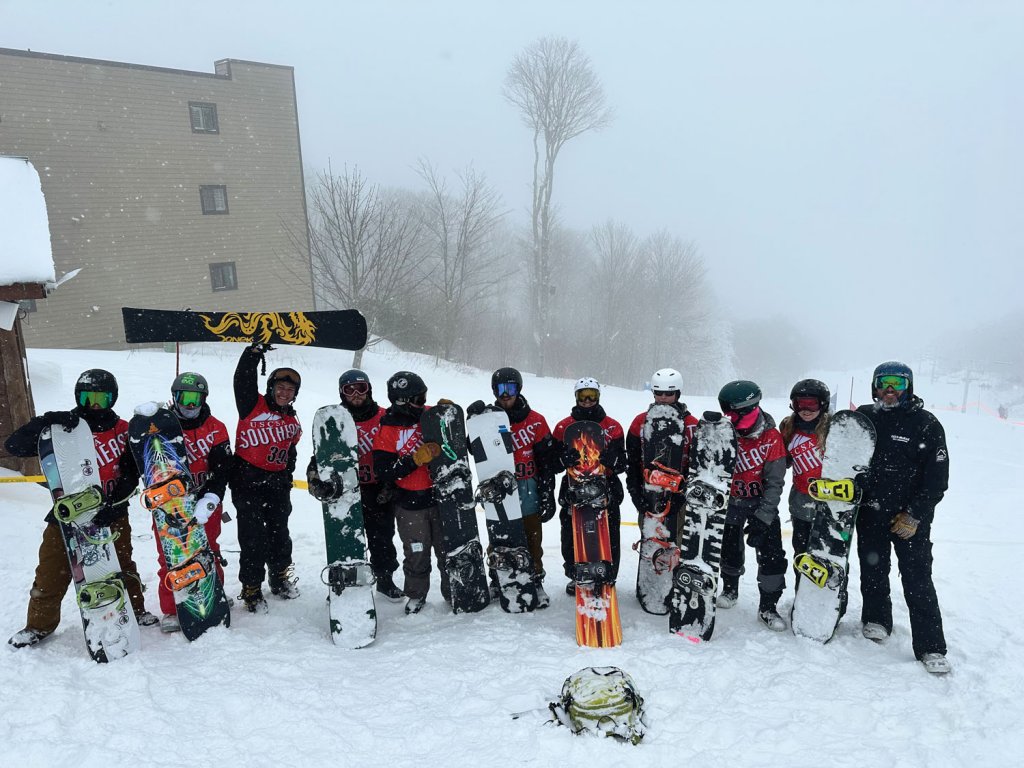
“We’ve got a lot of great things going on with winter sports at Lees-McRae right now,” says Aaron Maas, ski coach at the private college in Banner Elk. If anything, that’s an extreme understatement.
The college—with the highest campus in Eastern America—is just a ten-minute drive from the 5,506-foot summit of Beech Mountain, as close to a ski resort as any skiing student could want. Understandably, LMC has long had an active ski racing club, but last year, skiing and snowboarding became the college’s newest varsity sport and Coach Maas was recognized as the 2024 Coach of the Year by the US Collegiate Ski & Snowboard Association.
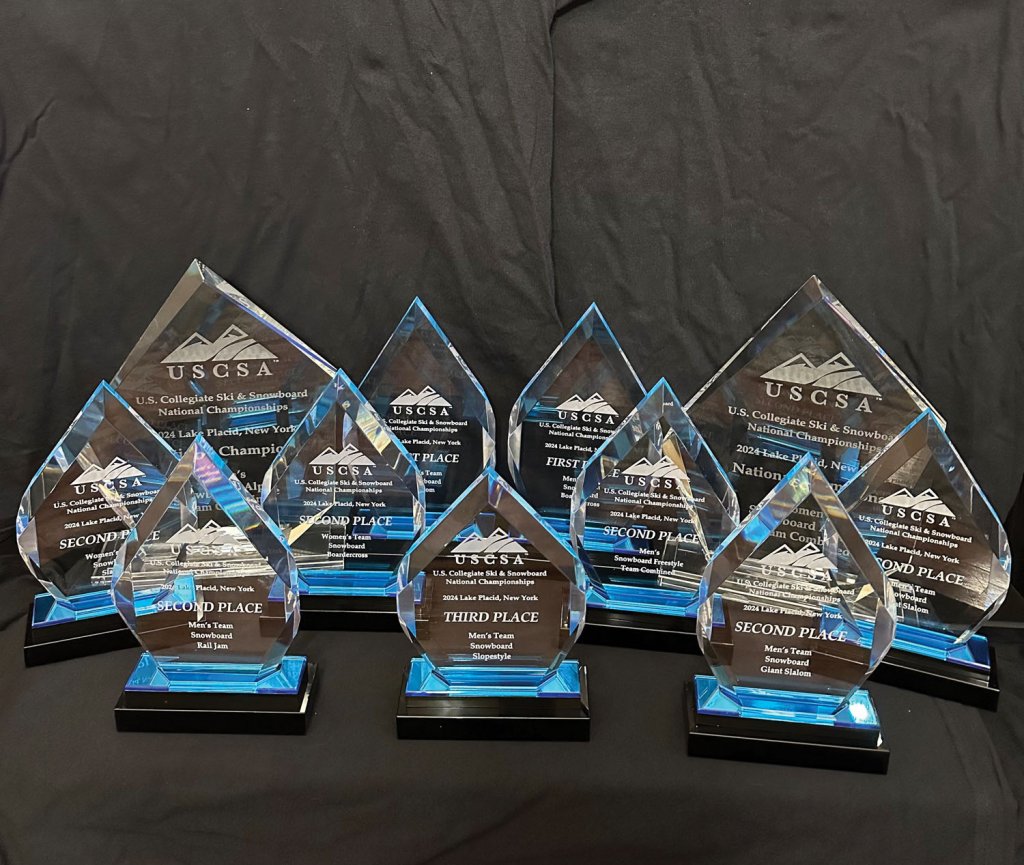
Besides Maas’s honor, the now varsity athletes on the ski and snowboard team have for years been making a name for themselves and the South on the college racing circuit. The team picked up four more national titles at Lake Placid, New York in 2024, their tenth in three years. That record grew in spring 2025 with wins at Mount Bachelor, Oregon.
LMC’s cred for snow sports took a jump in 2020 with the creation of a minor in Ski Industry Business and Instruction, the region’s only professional snow sports curriculum. Akin to operations-oriented ski curricula at a few universities in the north and west, Lees-McRae’s program covers ski resort operations, business practices, marketing, human resources, and risk management, all designed to “produce well-rounded graduates prepared for success in the ski industry.”
To that, LMC’s curriculum adds an emphasis on important industry certifications that permit hands-on experience while working at the slopes. Students can earn level one certification as ski and snowboard instructors and as patrollers with the National Ski Patrol System, a safety role also found in mountain biking parks, a key way snow sports resorts pursue year-round operations. Adaptive skiing instruction for the handicapped is among the skills available, thanks to Beech Mountain Resort’s decades-long dedication to those programs.
A big plus for the program is the Dr. Thomas Brigham Beech Mountain Classroom, three floors of teaching, study, and meeting space named in honor of the late Dr. Thomas “Doc” Brigham, the Alabama dentist who helped develop, Beech and Sugar mountain ski areas and Snowshoe in West Virginia.
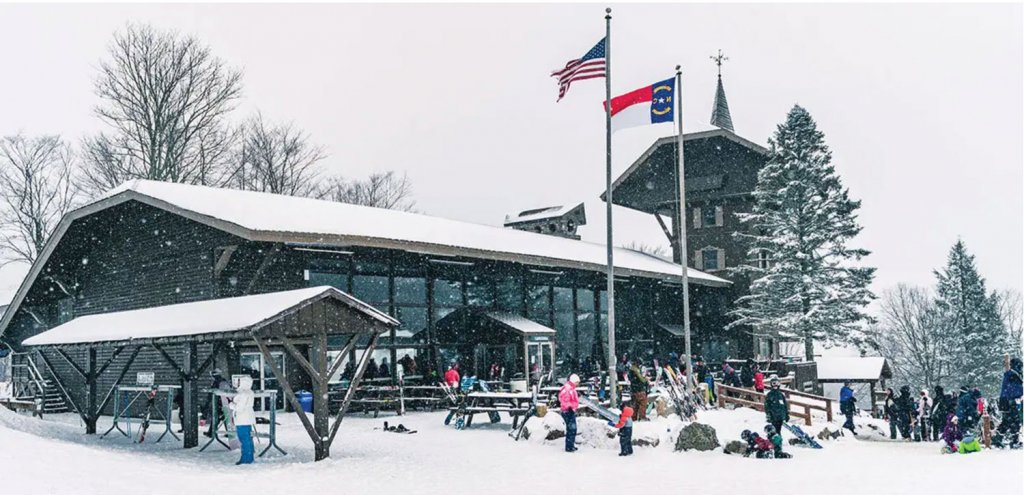
Appropriately, this Lees-McRae outpost is uniquely located in the tower that tops off the ersatz Alpine architecture of the Beech Haus base lodge. The cozy, almost clubhouse atmosphere of this slope-side crows nest gives outrageous new meaning to “the ivory tower of higher education.” The tower at Beech may be blue, but says Katie Wall Ph.D, the program’s originator, “students can work at the resort and alternate that with homework in the classroom.” With an amazing view of the slopes, to boot.
Students also encounter industry issues on an annual trip to a major resort, “where now we’re meeting our alumni,” says Wall. At first, Wall’s intent was to invent an outdoor recreation program, “but when we started looking at where we could grow,” she realized “that was the snow sports industry.”
By the Numbers
Over a few decades of research, skiing in NC continues to show promise. North Carolina skiers, mostly singles and families, have moderately high income, and are younger than most skiers in the nation—32.6 years old compared with 36 to 37 nationally. The sexes are more evenly balanced—54% males to 46% females compared with 59% males to 41% females in the nation as a whole. In addition, the average ski group size of four to five here is bigger than elsewhere in the nation.
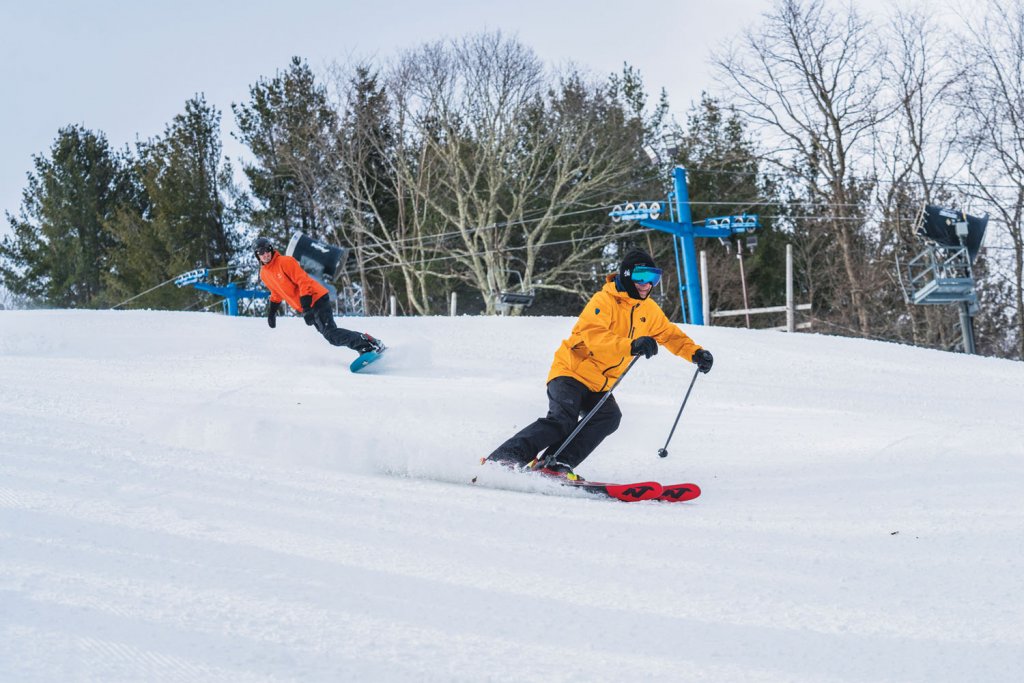
Skiers make up 62% of the resort attendance in North Carolina. Snowboarders comprise 33% of resort users—also slightly higher than the national average.
Significantly, in North Carolina, upwards of 30% of those studied are first time skiers, beginners, or part of a group that includes a first time skier—compared with only 10 or so percent of skiers nationwide.
That portends good growth potential for skiing in North Carolina, says Jeremy Sage, Ph.D., of Colorado-based RRC Associates, the country’s major ski research firm that studies the sport for the National Ski Areas Association.
Annual statistics vary, but recent ski seasons have brought more than three-quarters of a million annual skiers and snowboarders to North Carolina (up to 844,000), adding a quarter of a billion dollars to the state’s economy ($244 million). That includes visitor spending and between 20 and 70 percent of local tax revenue for Western North Carolina towns and counties between November and March—once the slowest season in the mountain economy. Last winter’s successful ski season was an essential shot in the arm for many communities hobbled by Helene.
Ski Resources
Appalachian Ski Mtn. » Blowing Rock
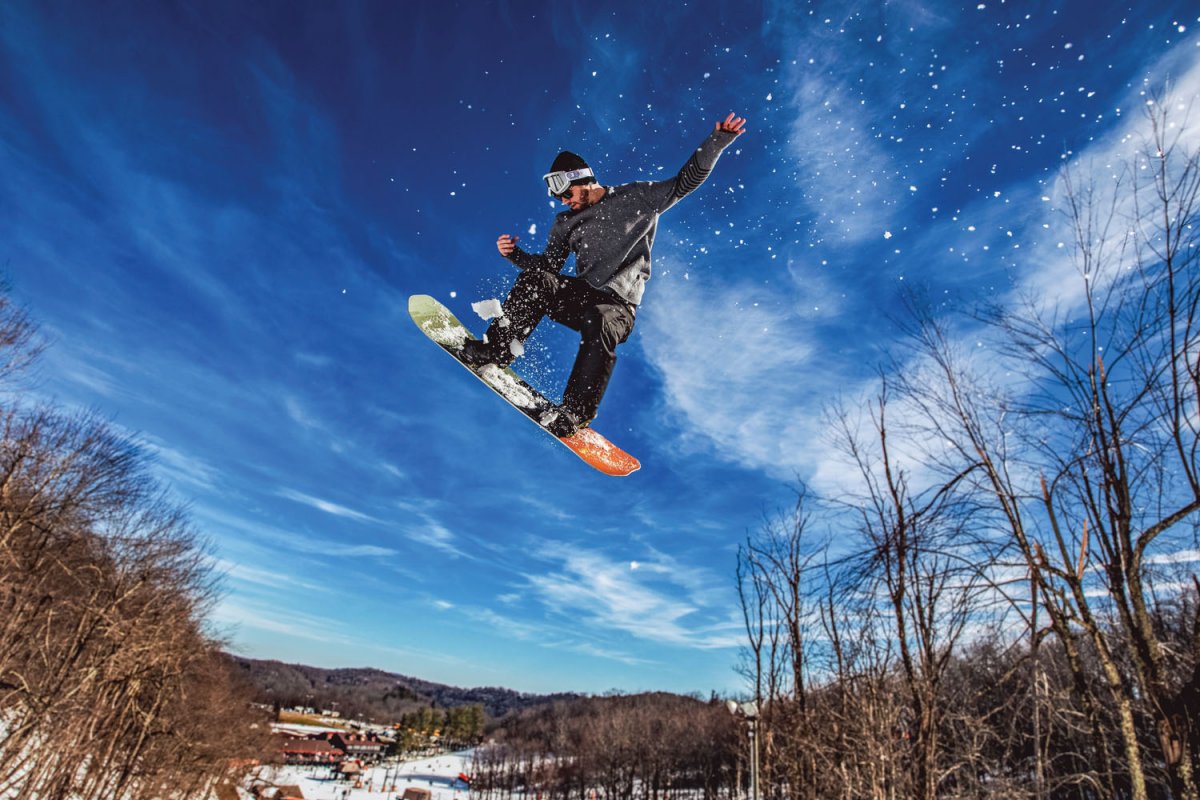
Along with its French Swiss Ski College, Appalachian Ski Mtn. is an official Burton Learn to Ride Center, which means it’s also great place to learn to snowboard. Gear is available to rent, and visitors looking for a flatter winter experience can head to the ice skating rink on site. Slopeside chalets are available for rent, and the resort even has an on-site nursery for children ages one to four. Appalachian Ski Mtn. is the only resort in the High Country to offer late-night skiing; Midnight Blast is offered every Friday and Saturday night, and on select holiday dates. This winter, Appalachian enhances its automated snowmaking system, expanding capacity on four slopes, and adding a new snow groomer. » 940 Ski Mountain Rd.; (828) 295-7828; appskimtn.com
Beech Mountain Ski Resort » Beech Mountain
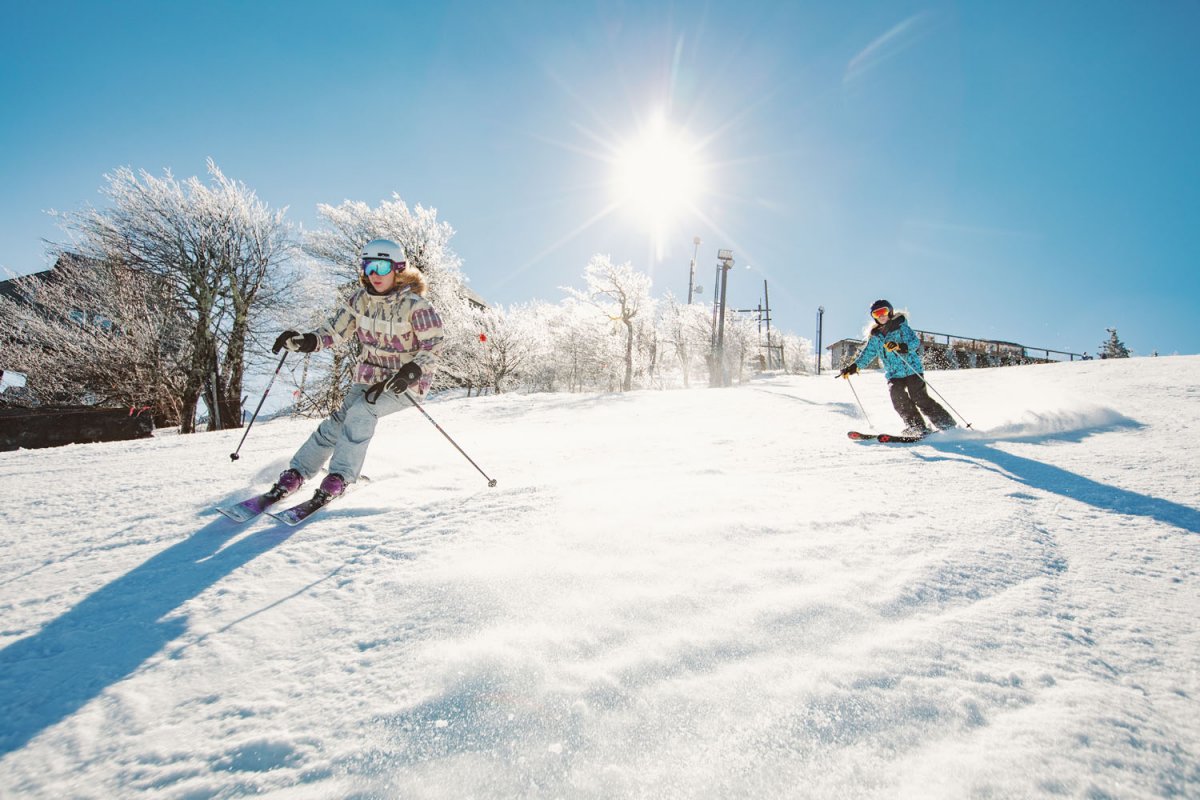
The winding slopes of Beech Mountain make for a fantastic shredding experience at 5500 feet in elevation, but Beech Mountain also offers snow tubing, shopping, and nightlife options to stay warm in the snow. Beech Mountain Brewing Co. serves up house-made ales, lagers, and IPAs, plus classic pub entrees and small plates; for something stiffer, ride a chairlift to 5,506’, a recently enlarged and remodeled full bar and dining spot that sits at the mountain’s highest point. The Lodge, the Red Baron Room, Playyard Provisions, and First Chair Coffee Shop and Arcade are other good options for taking breaks between slopes. The resort also rings in the new year annually with a party and fireworks. » 1007 Beech Mountain Pky; (828) 387-2011; beechmountainresort.com
Cataloochee Ski Area » Maggie Valley
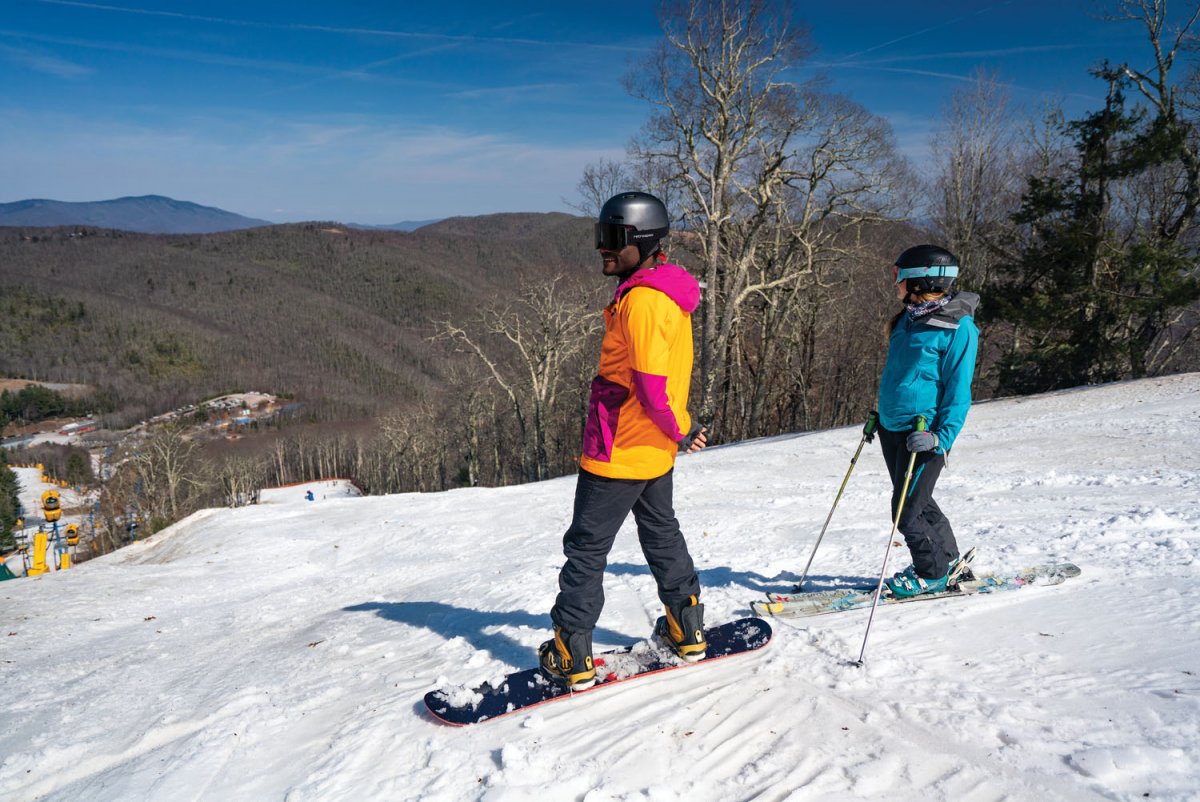
Cataloochee clings to the border of Great Smoky Mountains National Park in a stunningly scenic setting. Cataloochee is a great option for beginners, but even experts will be pleased with this winter’s new four passenger quad chairlift ready to whisk you to the top of a diverse slope system. For more information about dining, lodging, and other visitor experiences in the area, check out “A Waynesville Winter Dream” on page 42. » 1080 Ski Lodge Rd.; (828) 926-0285; cataloochee.com
Hatley Pointe Mountain Resort » Mars Hill
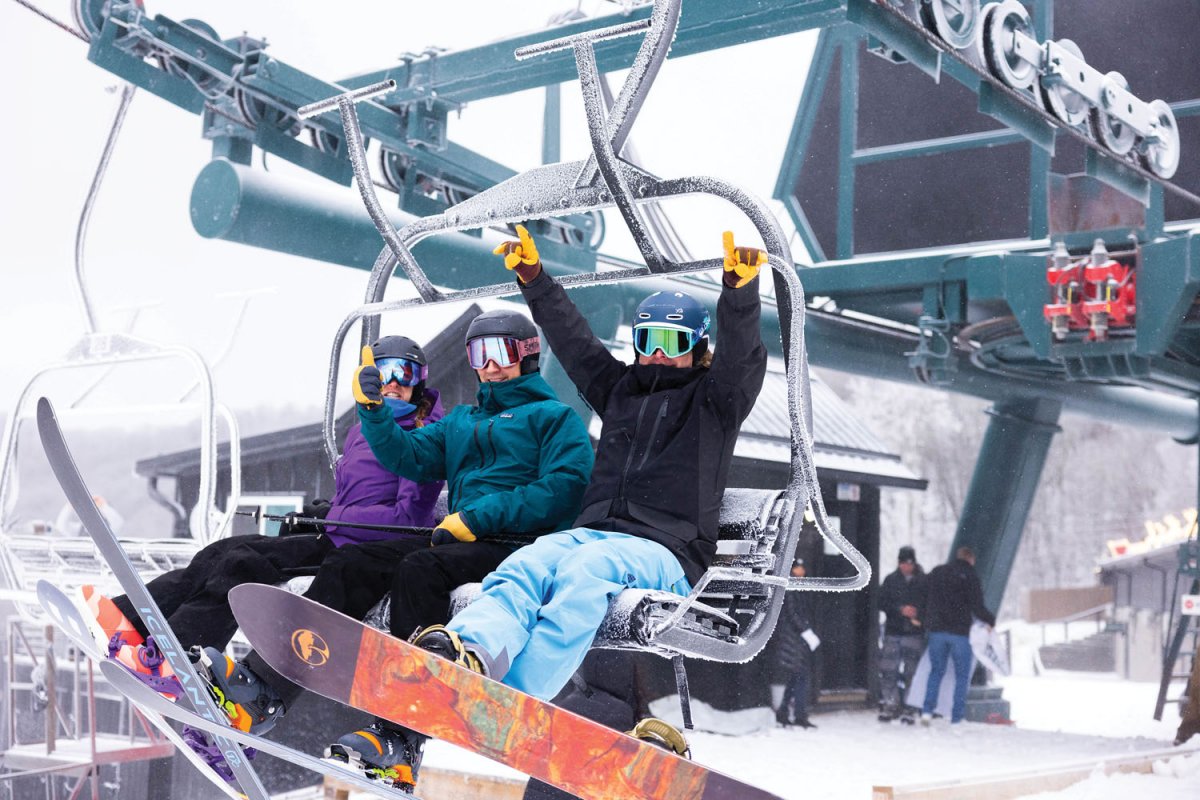
Described as an “elevated boutique skiing experience,” Hatley Pointe sits below Big Bald Mountain—a short drive from Asheville. This winter Hatley’s slopes grow again with widened and gladed runs surrounded by a crop of new tower-mounted snow cannons. That snowmaking boost permitted Hatley to gift three used snow guns to Cloudmont Ski Area, Alabama’s only ski slope. Plus, check out the resort’s fine dining experience, Smoke & Timber, plus their coffee and juicery, pizza counter, and Hot Top Grill to round out your visit. » 578 Valley View Cir.; (828) 689-4111; hatleypointe.com
Sapphire Valley Ski Area » Sapphire
Sapphire Valley Ski Area sticks to beginner-friendly green slopes, making it an excellent choice for families and new skiers looking to spend a day on the snow. Alongside its ski runs, Sapphire Valley offers the Frozen Falls Tube Park. Stay tuned for one of the resort’s largest events of the year in February, the Outhouse Races, in which teams bring decorated outhouses down the slopes on skis and compete to see who can cross the finish line first. » 127 Cherokee Trail; (828) 743-7663; skisapphirevalley.com
Sugar Mountain Ski Resort » Sugar Mountain
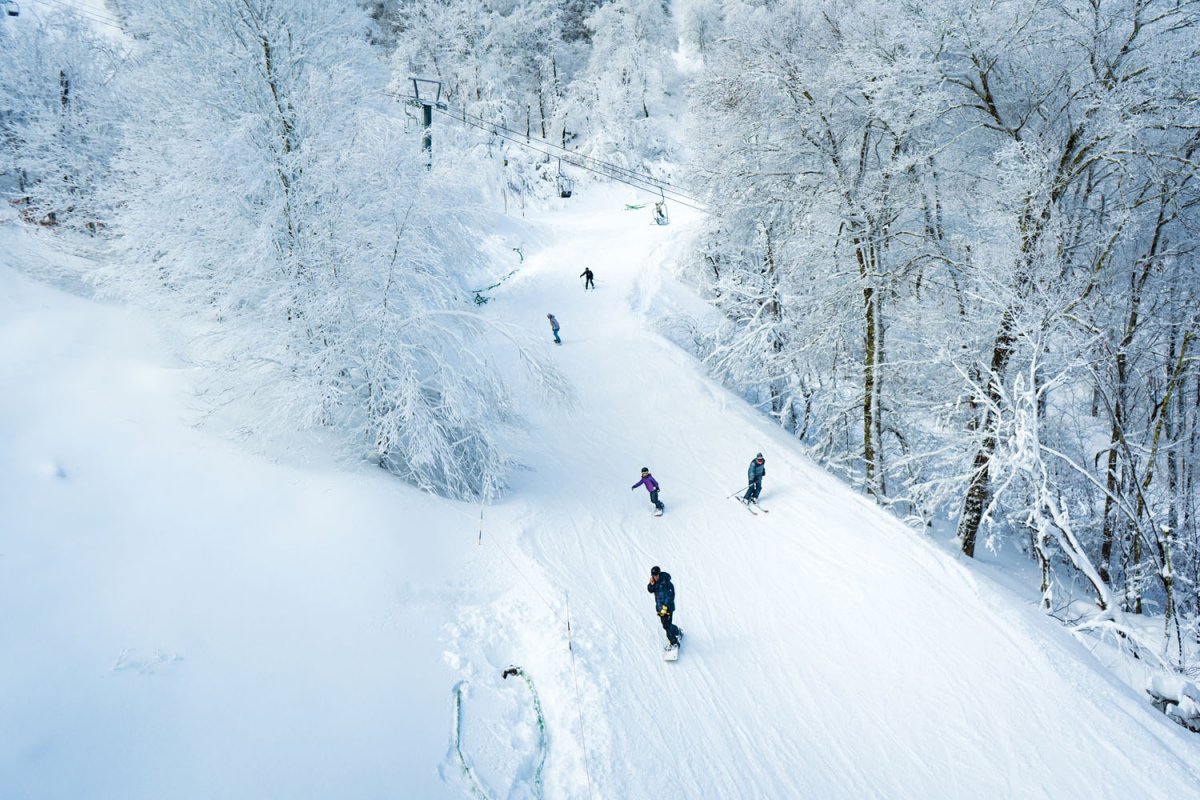
North Carolina’s largest ski area features two double black diamonds, two black diamonds, and many easy to medium runs. “Besides the slopes, a tubing park, and an ice rink, Sugar Mountain offers guided snowshoe tours, a perfect opportunity to explore the grandeur of winter at a more relaxed pace. Concerts and events take place all season long, including SugarFest, a showcase of the latest gear in the industry alongside dining, entertainment and fireworks. Visit the Village of Sugar Mountain nearby for lodging and dining opportunities. » 1009 Sugar Mountain Dr.; (828) 898-4521; skisugar.com
Hawksnest » Seven Devils
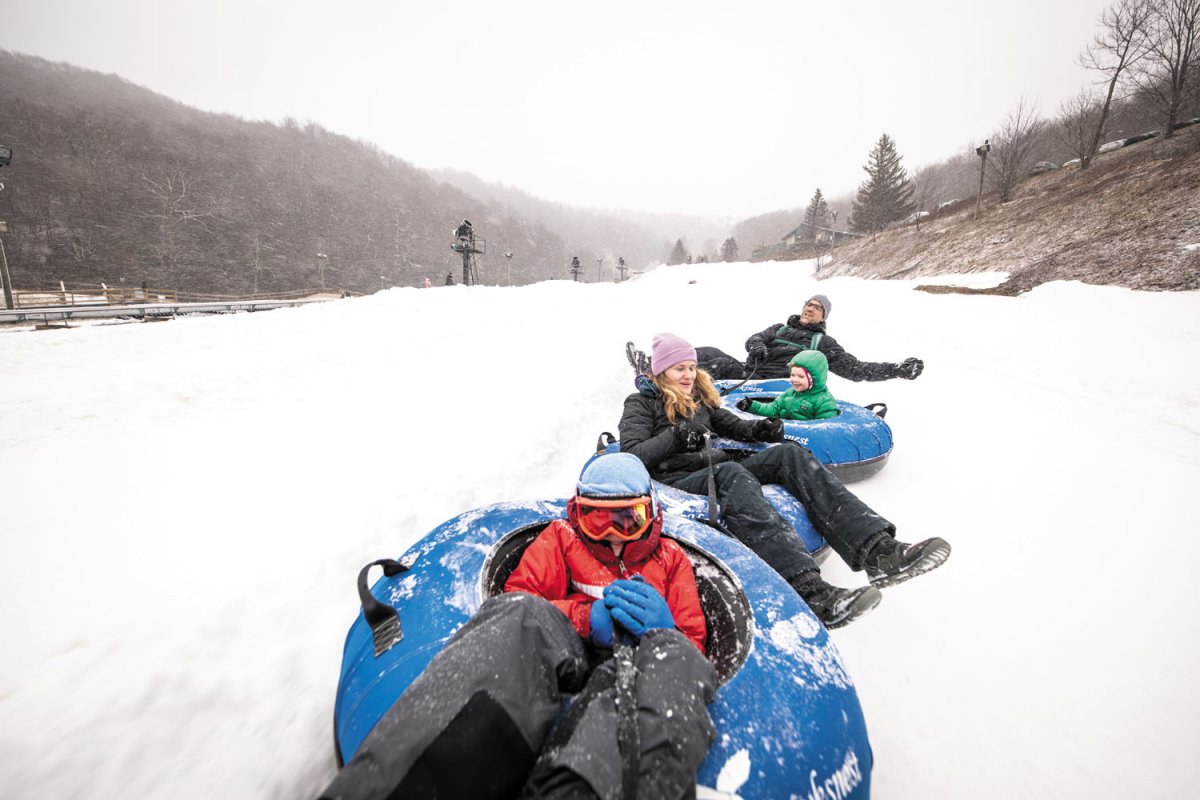
Even North Carolina ski areas have snow tubing options but Hawksnest Snow Tubing south of Boone in the town of Seven Devils is a whole other experience. This is one of the biggest tubing resorts in the entire East, where magic carpet lifts and tubing lanes ripple out over rolling acres around the distinctive lodge of the former Seven Devils ski area. » 2058 Skyland Dr.; (828) 963-6561; hawksnestsnowtubing.com