Winter Gardening: Get ready for a yearlong harvest this season
Winter Gardening: Get ready for a yearlong harvest this season:

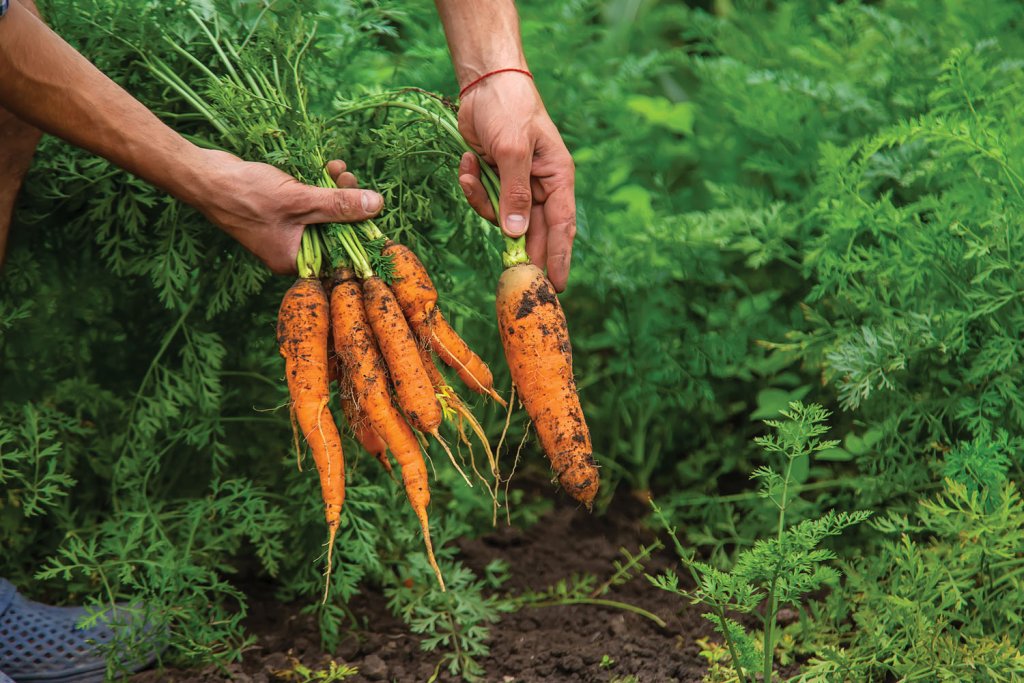
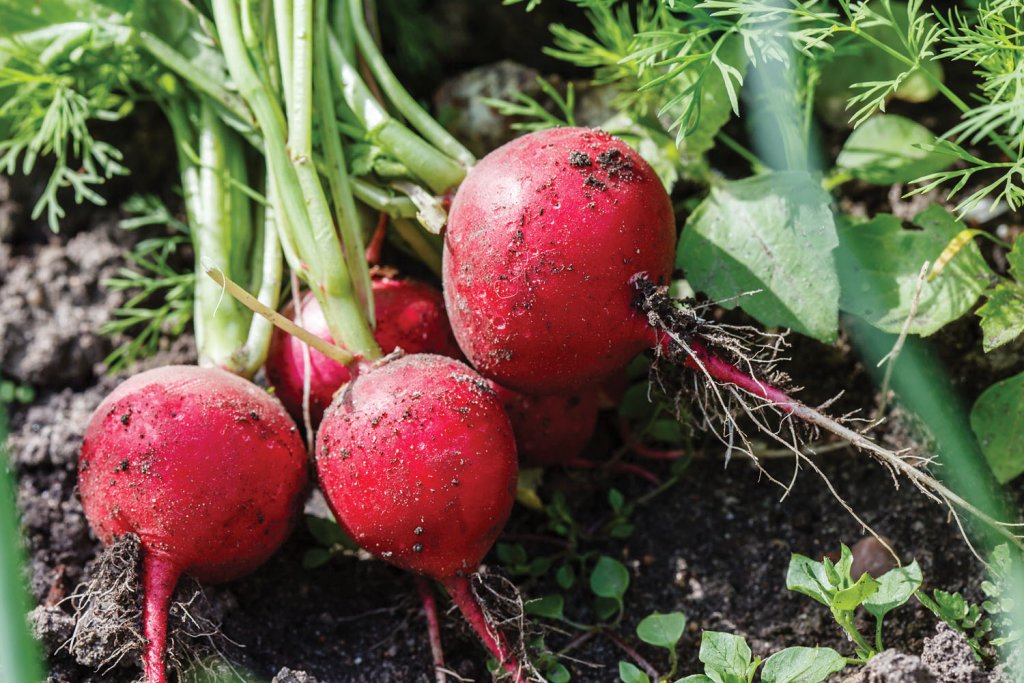
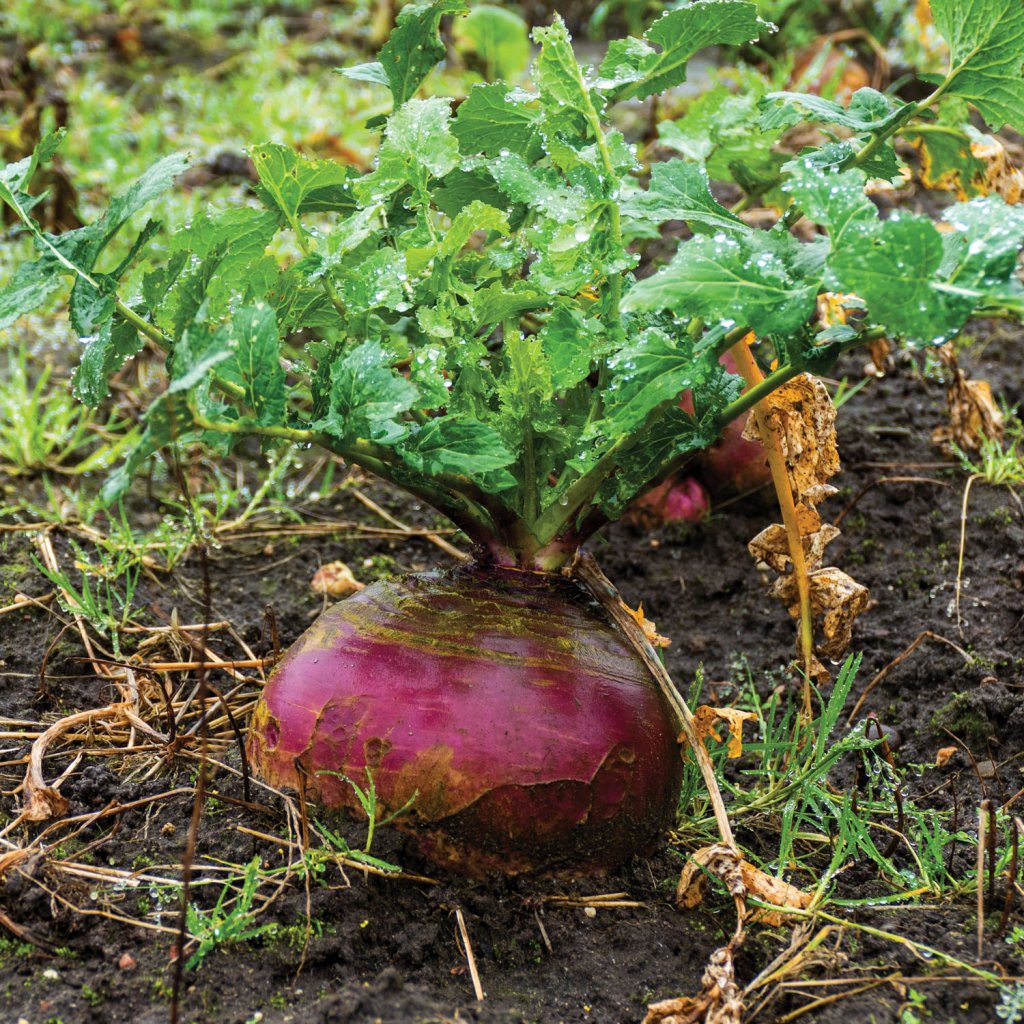
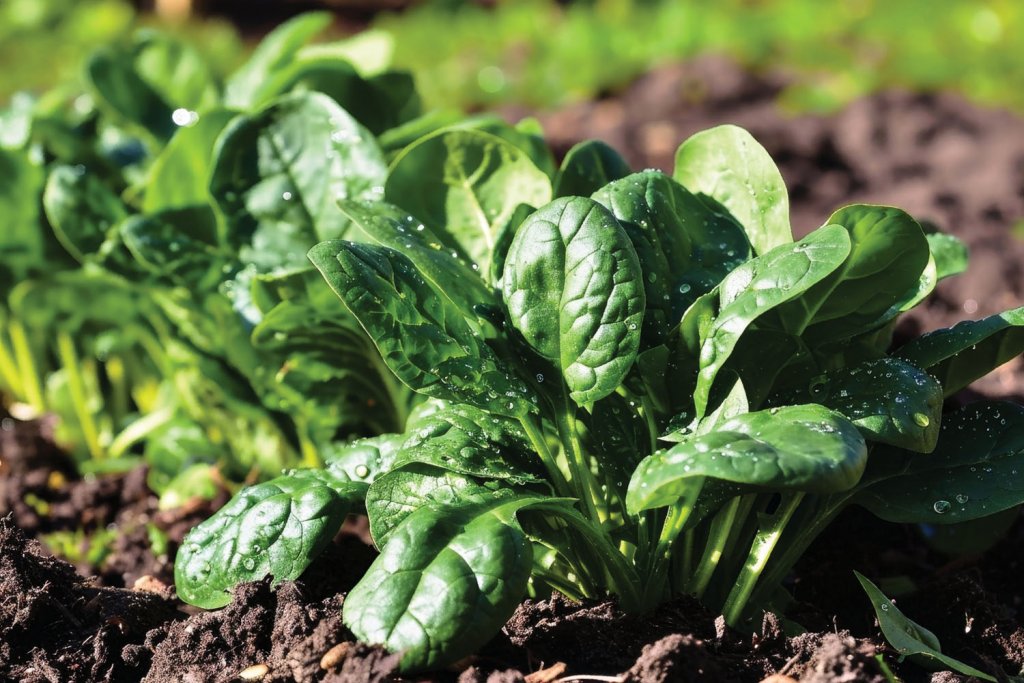
With food costs on the rise, gardening in your own backyard is becoming an increasingly-popular way to access fresh fruits and vegetables. Although our winters can be harsh, they’re not Antarctic; in fact, many of our region’s native vegetables have adapted to thrive in snowy conditions. Seed catalogues are released in December and January, so by beginning the process in winter, you can make a year-long gardening plan that works for you.
If you’re ready to start harvesting, don’t let the winter chill scare you. NC Cooperative Extension agent Alison Arnold, an expert in home horticulture and an Extension Master Gardener, shares some expert tips about starting your local garden in the wintertime.
STICK TO THE BASICS
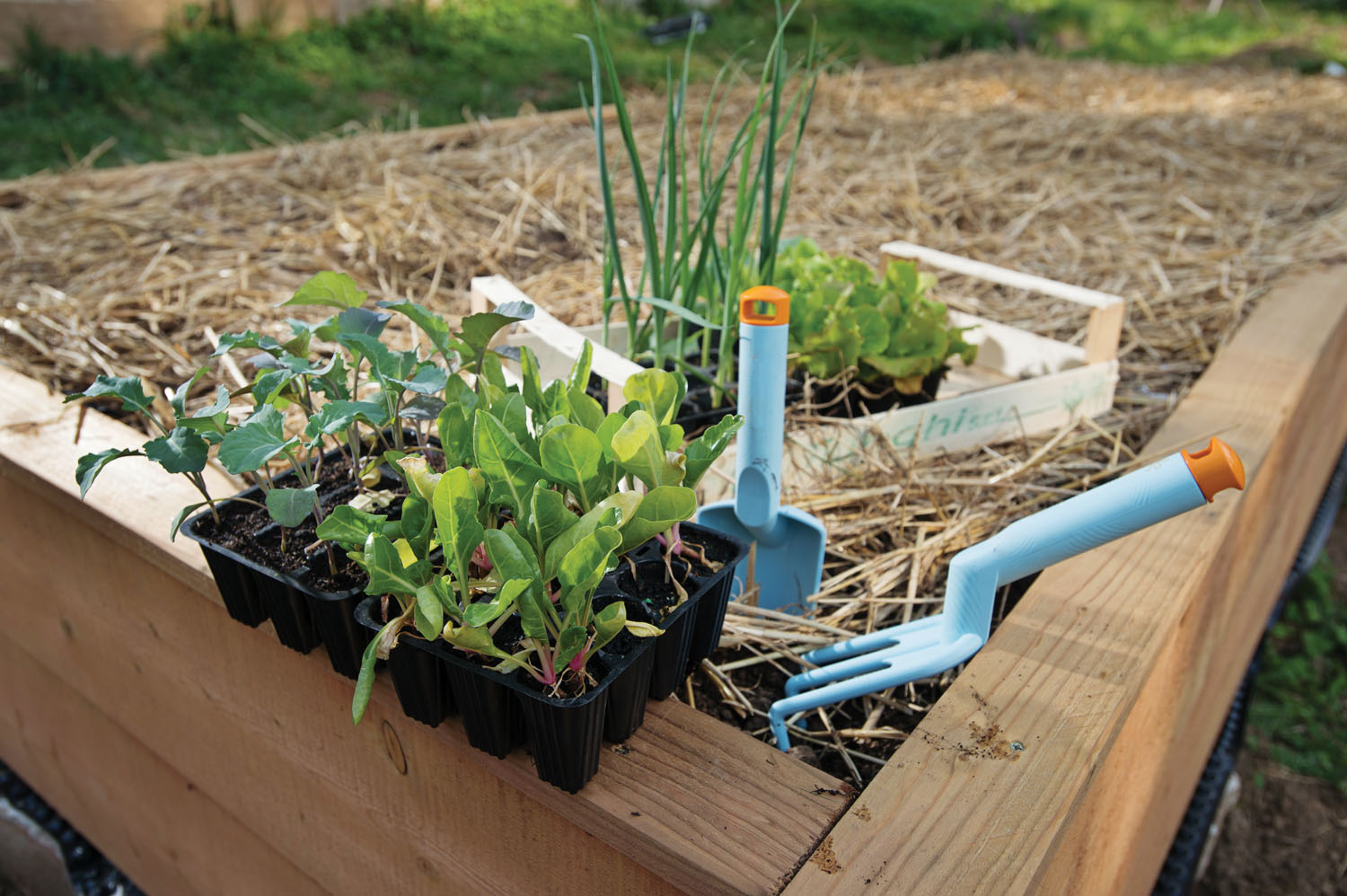
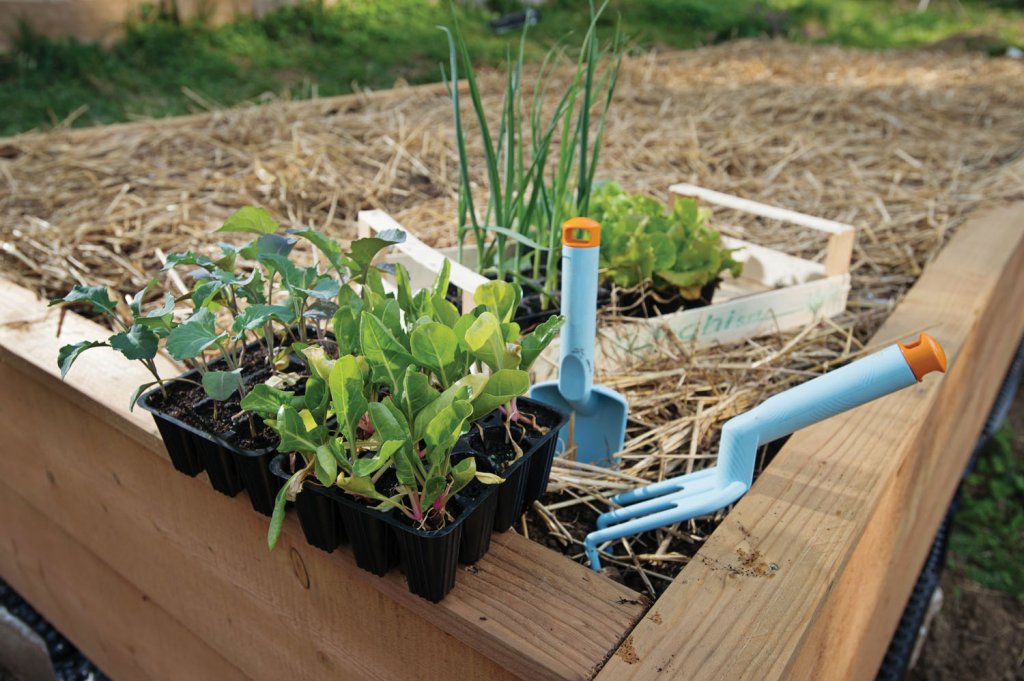
If you’re new to gardening, Arnold advises keeping it simple when it comes to supplies. A shovel is a must, as are in-ground identification labels. New gardeners also might benefit from purchasing starts over seeds since they’re easier to grow.
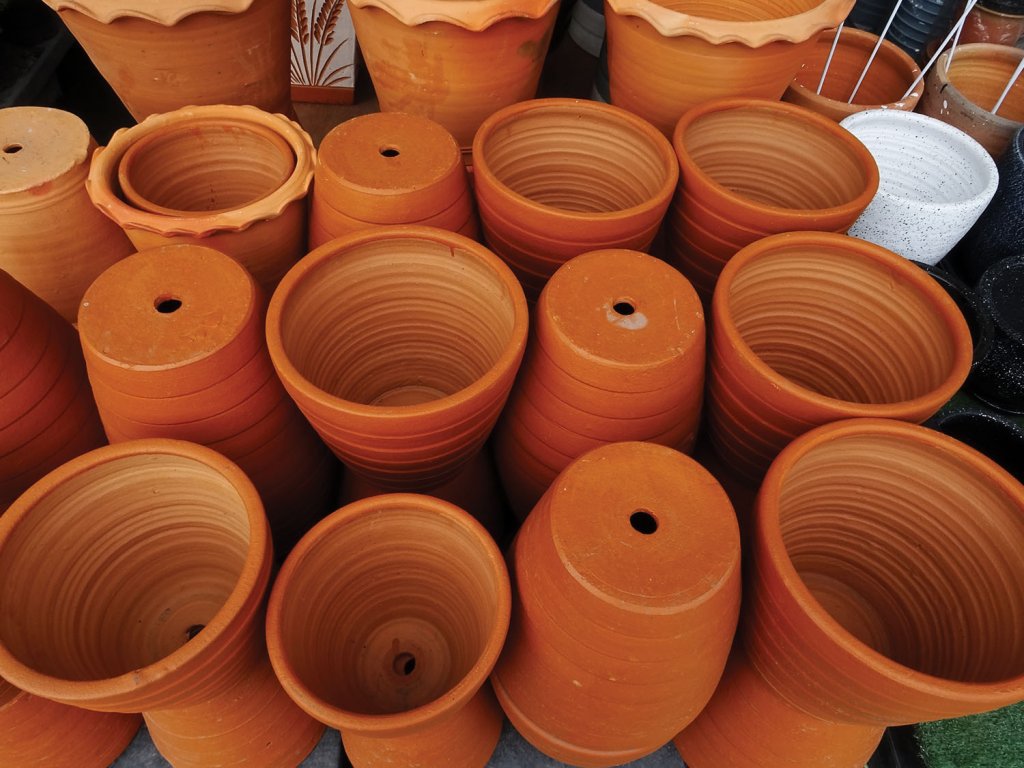
Keep raised beds no larger than 4' by 8' to avoid an overflow, and consider large containers and pots as alternatives to in-ground growing—as long as they have drainage holes. If you do choose to add a garden to your lawn this winter, consider adding mulch or wheat straw to conserve moisture.
MIND THE MOUNTAINS
Western North Carolina’s soil tends to be acidic and have higher levels of clay—while blueberries and rhododendrons might thrive in it, vegetables need a more alkaline environment. Add mulch or compost to give your vegetables a nutritional boost.
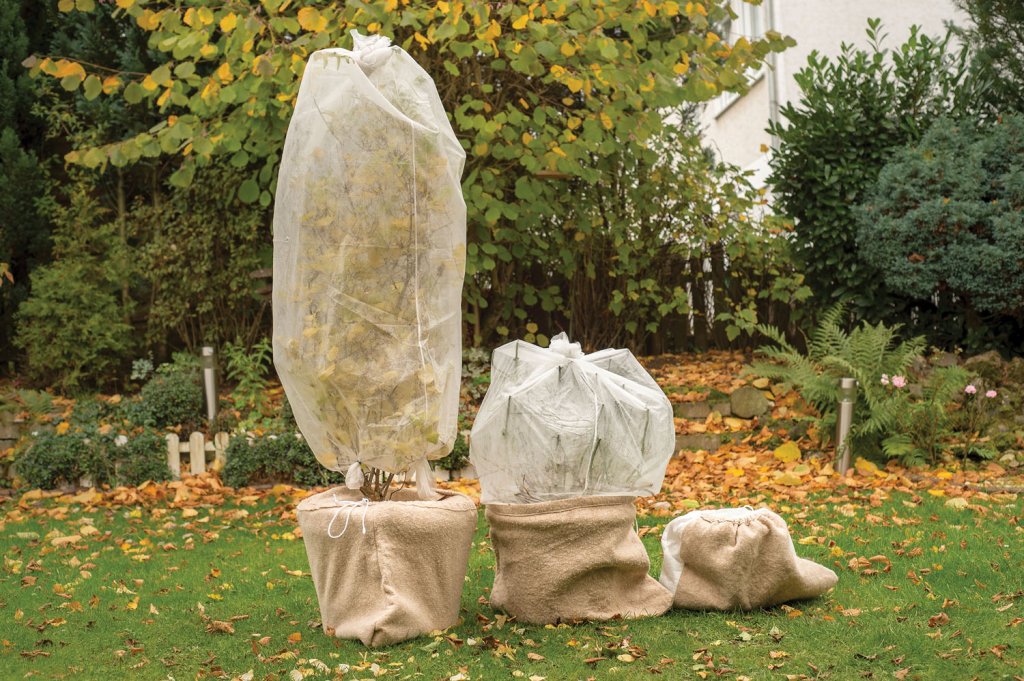
Our region is also prone to false springs, which means the weather warms up before dipping back into freezing temperatures later. This can be confusing for any vegetables you’ve been growing in the winter months, so keep an eye on the weather and utilize soil blankets or tarps to keep them warm during changing seasons.
When choosing a location, select a spot that gets at least six to eight hours of sunlight a day. Whether you’re doing in-ground planting, making your own raised beds, or using pots, make sure there’s space for runoff water. Having a hose nearby is also important.
“With all these heavy rains that we're getting more and more of, we really encourage people to go outside, with an umbrella during a heavy rain and just watch and see where the water goes,” Arnolds says.
FIND YOUR LOCAL RESOURCES
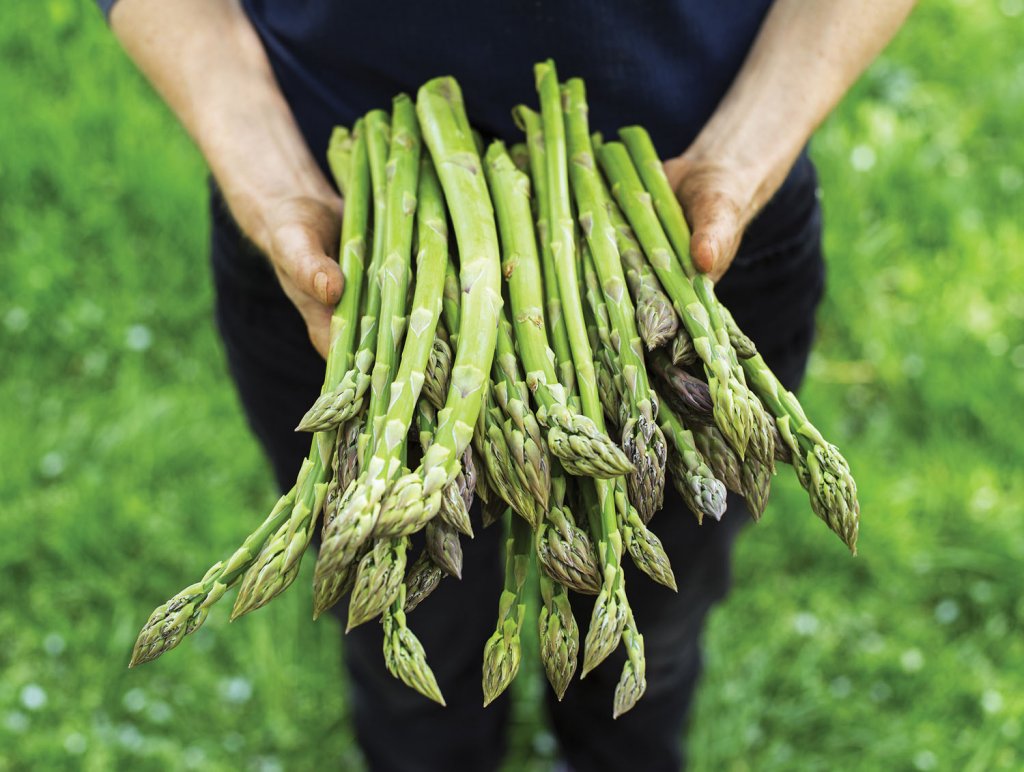
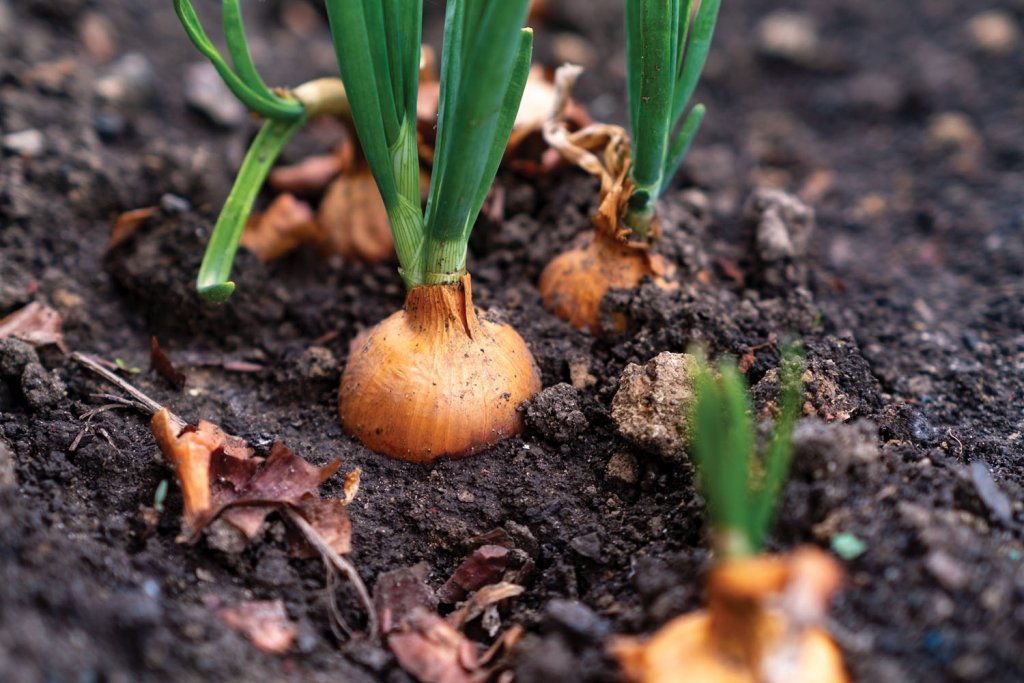
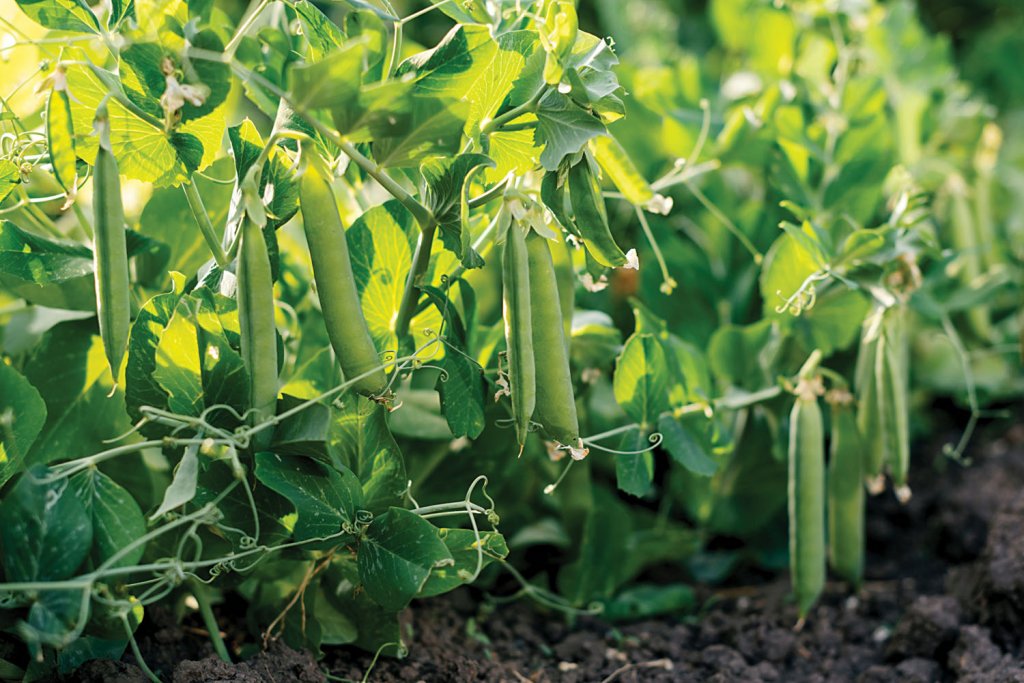
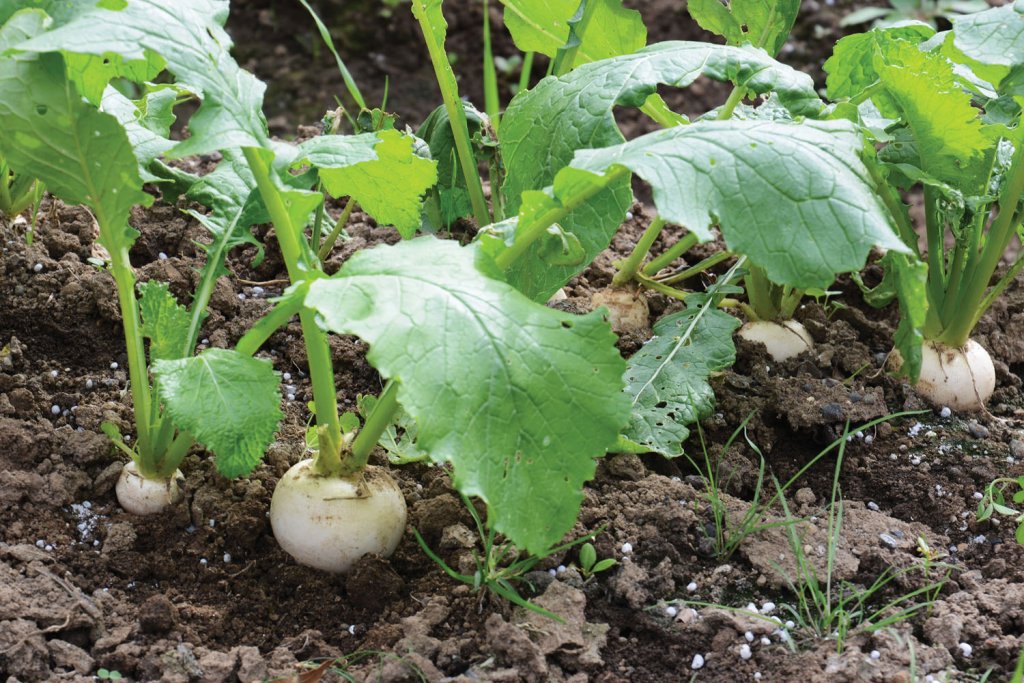
In our region, now is the best time to start planting many stem and root vegetables like asparagus, onions, peas, carrots, radishes, rutabagas, spinach, and turnips. Reference NC State Extension's Western North Carolina Planting Calendar to learn more about specific planting dates, harvest cycles, and needs for each plant type.
There are also many local experts and programs that can help you start gardening this winter. The Extension Master Gardener volunteers are available to answer questions seven days a week; they have many handbooks and guidelines online that can give you more information, and they can help you test your soil’s pH levels through the University. The NC Arboretum and the Botanical Gardens offer classes throughout the year on gardening topics as well.
To learn more about NC State Cooperative Extension, visit https://extension.ncsu.edu